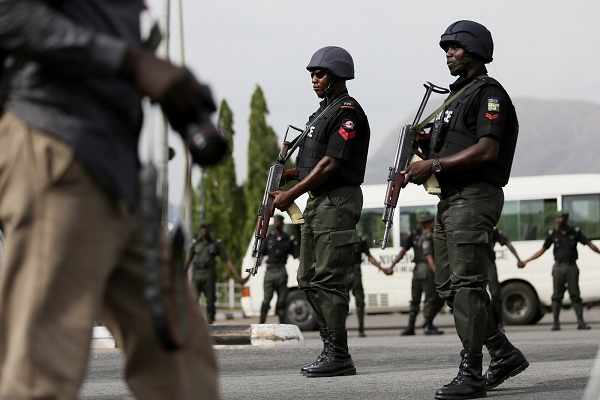

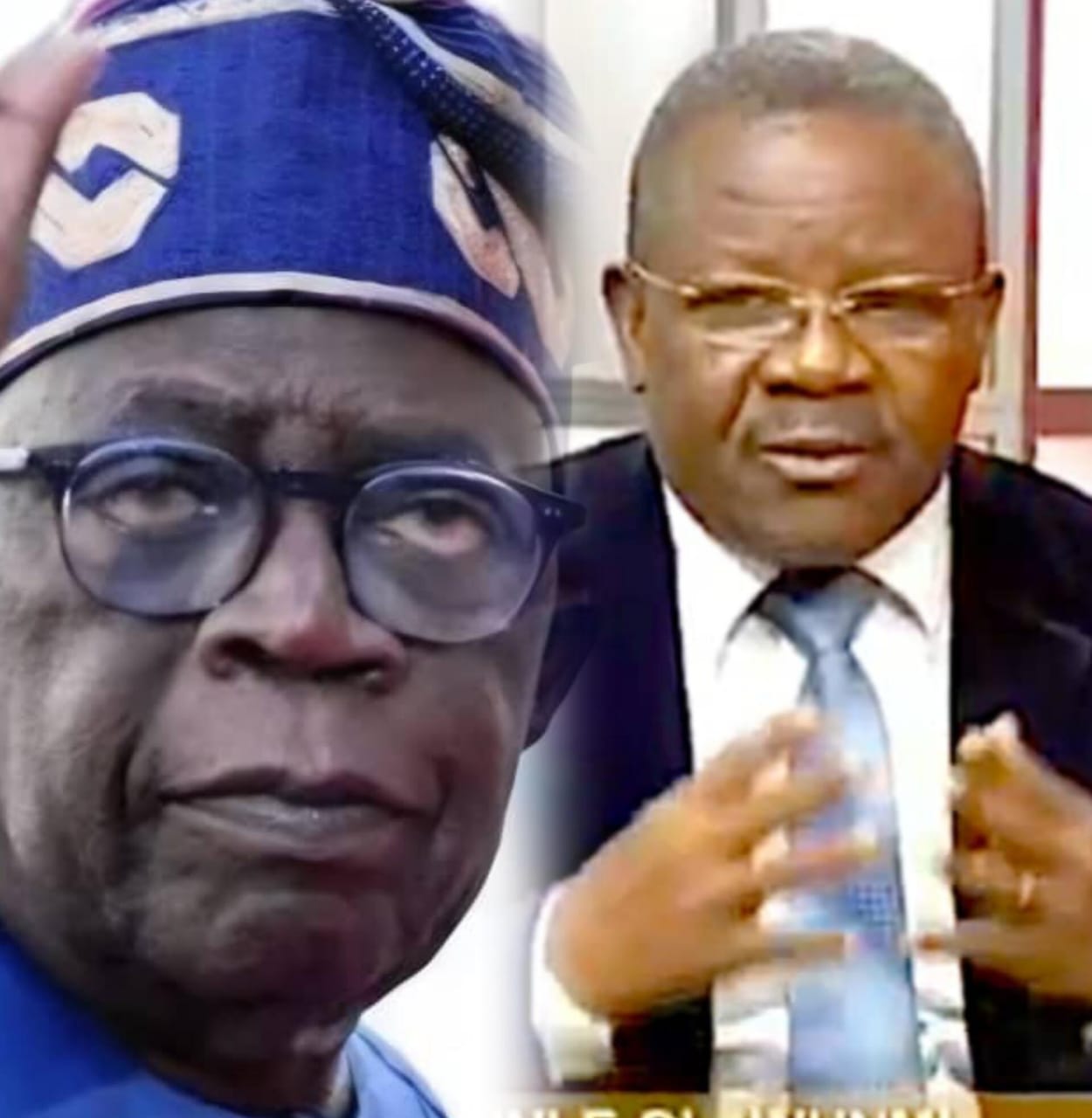
Retired Commodore and Senior Fellow of the Africa Security Forum, Dr. Kunle Olawunmi, has warned that the federal government’s plan to increase the size of the Nigerian Army from eight divisions to twelve will have little impact unless it is complemented with holistic reforms capable of translating military presence into effective protection for citizens. Africans & Diaspora
Speaking yesterday on an OGBC radio show, “Morning Flight”, Olawunmi said the creation of more military units was a major strategic move but it could not be seen as a promise of enhanced national security.
He said the increased security challenges facing Nigeria – terrorism, banditry, kidnapping, attacks on farming communities and threats to critical national infrastructure – justify bolstering the Armed Forces but the real measure of success will be how well the new formations are equipped, coordinated and integrated into the country’s broader security architecture.
A division is not a headquarters. “A formation only becomes security when trained manpower, intelligence, mobility, logistics, communications and command are converted into protection for citizens,” he said.
A former navy officer has asked President Bola Tinubu, the National Security Adviser, the National Assembly, state governors and military officials to concentrate on establishing operational capability rather than increasing military institutions.
He said the increase would result in tangible gains only if each of the planned divisions has enough manpower, intelligence capabilities, mobility, medical support, logistics, safe communication, and ability to sustain continuous operations.
Olawunmi is currently an Associate Professor in Global Counter-Terrorism at Chrisland University, Abeokuta.
He also noted that military operations alone could not surmount Nigeria’s complex security threats without seamless intelligence sharing among the Armed Forces, the Nigeria Police Force, the Department of State Services, Nigeria Immigration Service, Nigeria Customs Service, the Nigeria Security and Civil Defence Corps and financial intelligence agencies. Africans & the Diaspora
He emphasised that intelligence is useless if agencies operate in silos, maintaining that information sharing remains one of the most powerful weapons against organised criminal networks.
He said, “In addition to institutional collaboration, community participation is important as residents, farmers, transport operators and traditional institutions often notice emerging threats before security agencies.
In his opinion, public trust can only be built thru confidential reporting procedures, protection of informants and persistent community engagement.
The security expert also called for more use of modern technology – including drones, surveillance systems, geospatial intelligence and safe communication platforms – to supplement human intelligence in fighting armed organisations in tough terrain.
He warned, however, that technology alone will not demolish criminal organisations, saying authorities must also attack the financial, logistical and weapons supply networks that fuel terrorism, banditry, abduction and illicit mining.
He also said military gains cannot be made permanent without effective policing, functioning courts, responsive local government administration and the restoration of public services in reclaimed towns.
He said security should be assessed by demonstrable gains in the lives of residents, not by the number of military headquarters set up.
He said the faster emergency response, safer roadways, farmers returning to their farmlands, dissolution of abduction syndicates and proactive protection of vulnerable areas before assaults occur were major markers of success.
Olawunmi, while praising the courage and sacrifices of Nigerian security personnel, called on the government at all levels to ensure that the expansion of the Armed Forces does not lead to what he referred to as “security architecture inflation,” where personnel and expenditure increase without the corresponding gains in public safety.
He said that the ongoing military expansion provides Nigeria with an opportunity to reconfigure its whole security architecture by incorporating intelligence, fast response, territorial control and effective governance into a unified national security system.
“The standard should be simple: formations create presence, intelligence creates precision, and governance makes security durable,” he stated.
About the Author