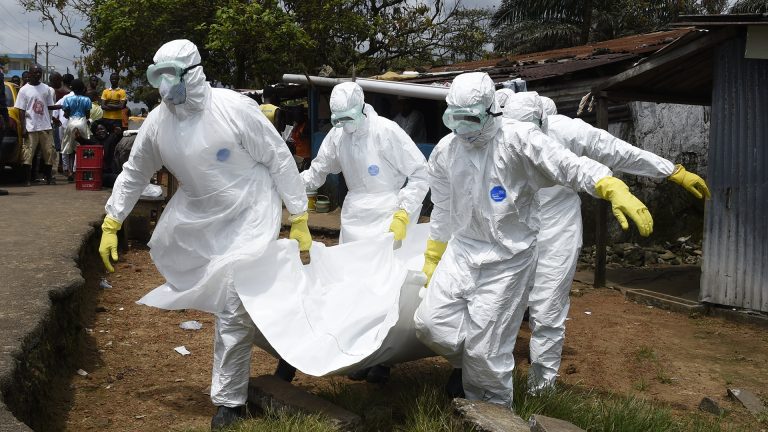

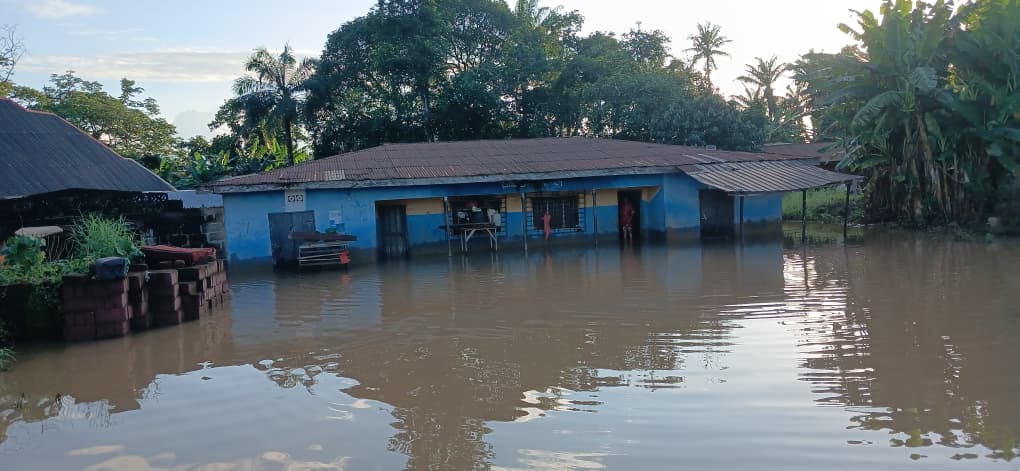
The Association of Resident Doctors (ARD), Rivers State University Teaching Hospital (RSUTH) has warned of possible disease outbreaks following the recent floods in Rivers State and called on residents to take precautionary measures to protect their health.
The President of the association, Dr Chris-Biriowu Harold, issued the warning at the association’s Second Ordinary General Meeting, under the topic, “Health Workers Security Summit”.
Flooding, Harold cautioned, might cause ‘turmoil’ and raise the likelihood of infections and epidemics, including malaria in places vulnerable to flooding, says Channels TV.
He also cautioned that the devastation of crops caused by flooding could increase food insecurity and trigger hunger and famine.
“Flood is a chaos in any part of the world. It happens here, in the state of Rivers. We know what happens. It may cause diseases, plagues. In flood prone places malaria will always be on the rise and it also leads to starvation and famine in the land as crops will die. “People will die,” he claimed.
Harold pleaded with locals to take steps to prevent their exposure to flood-related health hazards, especially by keeping their surroundings clean and not putting garbage into gutters and drainage channels.
He equally thanked the Rivers State government for its efforts at mitigating the effect of the flooding.
Doctors demand better security
Harold told the security summit that the association was developing measures with security authorities to protect doctors and other health care workers from assault.
“We are trying to engage the security personnel on our program, the security summit, the organised security summit for doctors because of regular assault on doctors and health care workers. “So that we can have a good approach on how to approach it.”
He appealed to health care personnel to be vigilant about security issues, use the designated means of contact and report any security concerns without delay.
ACP Ahunnaya Chukwudi, who represented the Rivers State Commissioner of Police, CP Olugbenga Adepoju, said the command had continued to deploy men to protect health care facilities and citizens.
RSUTH had profited from the deployment of security but health professionals should be careful and avoid circumstances that could lead to violence, he said.
“See something, say something, learn to respond appropriately. Try to defuse. “Also, make sure you are safe in the working environment,” he said.
Major Oluwakayode Johnson, representing the General Officer Commanding, 6 Division, Nigerian Army, Major General Ernest Okoro, also spoke, describing healthcare as “national critical infrastructure,” and emphasising that defending healthcare institutions was a vital part of national security. African Art Shop
He mooted the idea of institutionalising functional hospital security committees, restrictions on movement when appropriate, emergency alerts, screening and detectors at entry and departure points, de-escalation training and the deployment of qualified security guards to hospitals.
The summit was attended by healthcare workers and other stakeholders and also held talks on healthcare workers’ and patients’ rights. Participants were requested to emphasise safety, and to avoid any unnecessary confrontations with patients.
About the Author