ERELU TÚNWÀṢẸ SERIES 👑
SLANC 00A | 27th September 2026
SLAVERY, NIGERIA AND THE TRUTH ABOUT OUR ANCESTRY
WERE MOST ENSLAVED AFRICANS TAKEN FROM WHAT IS NOW NIGERIA?
WERE MOST SOLD BY PEOPLE LIVING IN THE TERRITORY NOW CALLED NIGERIA?
Ẹ má pè ajá ní ọ̀bọ mọ́!
Stop calling a dog a monkey!
Let us call things what they are.
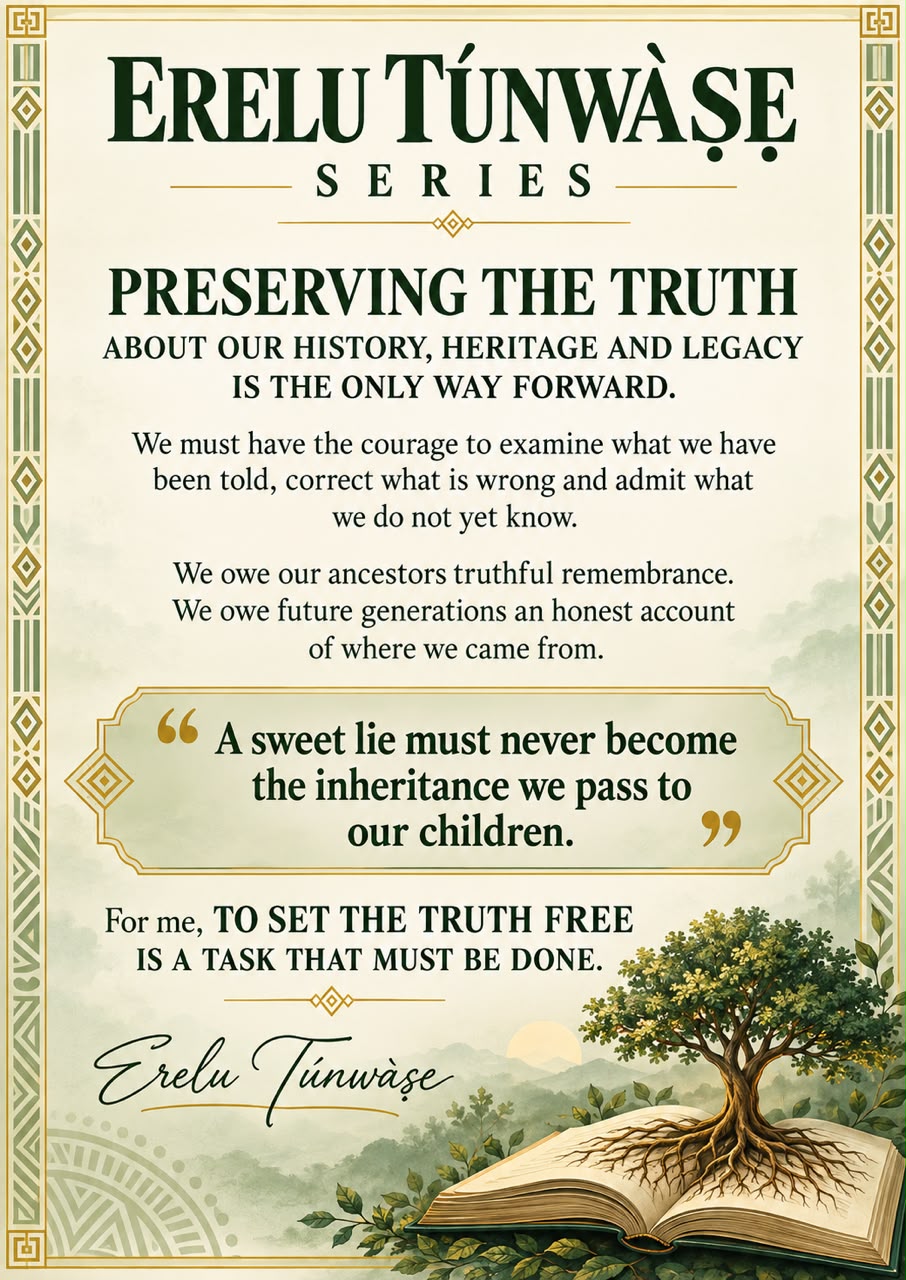
People can choose between a sweet, palatable lie and the bitter truth. But preserving the truth about our history, heritage and legacy is the only way forward.
We must have the courage to examine what we have been told, correct what is wrong and admit what we do not yet know.
WHY DOES NIGERIA COME UP SO OFTEN?
In conversations with descendants of enslaved Africans, I frequently hear:
“My DNA links me to Nigeria.”
I am reporting what people say about their ancestry. Their accounts raise questions about the relationship between DNA results, historical records and ancestral belonging.
Does a connection to Nigeria mean that most enslaved Africans came from what is now Nigeria?
Does it mean that most were sold by people living within that territory?
These are different questions. One answer cannot stand for all of them.
WERE MOST TAKEN FROM WHAT IS NOW NIGERIA?
For the transatlantic slave trade as a whole, the available evidence does not support that claim.
Many enslaved people came from territories now within Nigeria. However, captives were taken from numerous African societies.
Historical research compiled by SlaveVoyages identifies West-Central Africa, including the Angola and Congo regions, as the largest regional departure area through most of the trade’s history. Territories now within Nigeria were a significant part of this history, but they were not the source of the majority.
We must also distinguish a person’s birthplace from where they were captured, sold or placed aboard a ship.
A port of departure is not automatically a place of ancestry.
WERE MOST SOLD BY PEOPLE FROM WHAT IS NOW NIGERIA?
There is no sound basis for assigning the majority of those sales to people from that territory.
Some rulers, merchants and intermediaries in territories now within Nigeria participated. Participants in other African regions also captured and sold people.
European and American merchants, shipowners and plantation interests were central to purchasing, transporting, reselling and exploiting enslaved people. It was an international system involving several stages of sale and forced labour.
Acknowledging African participation must not conceal European and American responsibility. Equally, acknowledging European and American responsibility must not conceal African participation.
Responsibility should be established through evidence about the people and institutions involved. It should not be assigned indiscriminately to everyone living in a country today.
WHAT DOES A DNA CONNECTION TO NIGERIA ESTABLISH?
An ancestry estimate compares a person’s DNA with reference populations. It can provide clues for researching family origins.
But a result labelled “Nigeria” does not, by itself, establish:
* A particular Yorùbá family or Ilé-Ifẹ̀ bloodline.
* The religion an ancestor practised.
* Where that ancestor was captured or transported.
* Who sold or enslaved that ancestor.
A DNA result is not a shipping record, a record of sale or a complete family history.
Neither does hearing many Nigerian ancestry claims establish Nigeria’s share of the historical slave trade.
IS NIGERIA THE ONLY COUNTRY PEOPLE IDENTIFY WITH?
No.
There are documented accounts of ancestral reconnection involving Sierra Leone and Cameroon, and organised ancestry journeys involving Ghana and Senegal, among other countries.
Nigeria is an important focus, but it is not the only one.
WHAT DOES THIS MEAN FOR ÒRÌṢÀ, ÌṢẸ̀ṢE AND ILÉ-IFẸ̀?
African ancestry, Nigerian ancestry, Yorùbá ancestry and descent from Ilé-Ifẹ̀ are not interchangeable claims.
A person may sincerely embrace Òrìṣà and Ìṣẹ̀ṣe without knowing their precise ancestral origins. Their spiritual commitment deserves respect.
However, choosing a tradition and establishing that one’s ancestors practised it are different matters.
We must respect the search for belonging without supplying a family history that the evidence has not established.
THE TRUTH IS OUR RESPONSIBILITY
Repeating a claim does not make it true. Wanting it to be true does not establish it either.
Where there is evidence, let us examine it. Where there is uncertainty, let us admit it. When the evidence corrects us, let us have the courage to accept it.
We owe our ancestors truthful remembrance. We owe future generations an honest account of where we came from.
A SWEET LIE MUST NEVER BECOME THE INHERITANCE WE PASS TO OUR CHILDREN.
PRESERVING THE TRUTH ABOUT OUR HISTORY, HERITAGE AND LEGACY IS THE ONLY WAY FORWARD.
For me, TO SET THE TRUTH FREE IS A TASK THAT MUST BE DONE.
Erelu Túnwàṣẹ
Aṣojú Àṣẹ Ilé-IfA direct biological descendant of Alaafin Ṣàngó 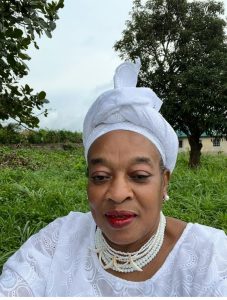
Feedback is welcome.
+234 903 886 5880
“Do the right thing, the right way, at the right time.”
About the Author