
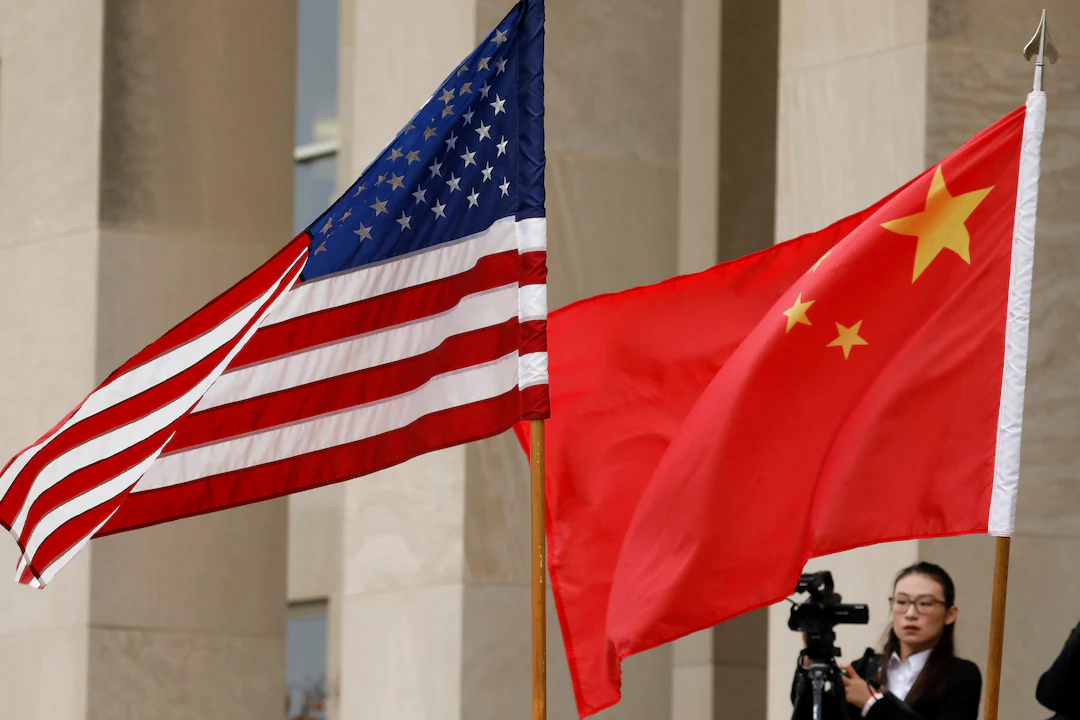
The United States has placed new curbs on imports from China, adding 43 Chinese firms to its Uyghur Forced Labour Prevention Act (UFLPA) Entity List, citing their role in supply chains linked to the alleged forced labour of Uyghurs and other predominantly Muslim minority groups in China’s Xinjiang region. The move is the largest single increase of the blacklist since the law went into force in 2022 and the first substantial update under the current Trump administration.
The move was announced by the U.S. Department of Homeland Security (DHS) and published in the Federal Register . Under the UFLPA, products manufactured fully or in part by entities on the Entity List are presumed to have been made with forced labour and are consequently forbidden from entering the United States, unless importers can give clear evidence to the contrary. The new additions bring the overall number of companies on the blacklist to 187 from 144.
The newly listed enterprises span a wide variety of sectors, underscoring Washington’s broadening focus on supply networks tied to Xinjiang.
They include Hunan Aihua Group, one of China’s biggest capacitor makers, and Chacha Food Co., a major producer of seeds and snack foods with an international export operation. Other areas affected are medicines, metals, lithium, cotton, food processing, industrial production.
The new designations are meant to prohibit products purportedly connected to forced labour from being sold to American customers, U.S. officials said, but also send a wider message that corporations associated with human rights abuses face losing access to the U.S. market.
The ruling is yet another escalation in the wider trade and human rights battle between Washington and Beijing.
Successive U.S. administrations have accused China of detaining huge numbers of Uyghurs and other Muslim minorities in Xinjiang, where they say many individuals have been subjected to forced labour, monitoring and other human rights abuses. The U.S. government has characterised China’s treatment of the Uyghurs as genocide and crimes against humanity. Beijing has long denied the charges, saying its measures in Xinjiang are geared at tackling terrorism, extremism and poverty.
China has harshly opposed the latest U.S. move, calling the forced labour claims “groundless” and accused Washington of exploiting human rights as a pretext to control Chinese companies and intervene in China’s domestic affairs.
Chinese officials believe workers in Xinjiang take part in employment programs on a voluntary basis, and that the UFLPA discriminates unfairly against Chinese exporters. Beijing has frequently pressured Washington to lift the restrictions and warned it has the right to respond to what it calls politically motivated trade measures.
The extended blacklist will probably mean more compliance headaches for multinationals who buy products or raw materials from China.
Importers to the U.S. will be subject to increased scrutiny of their supply chains, particularly in sectors such as electronics, batteries, food goods, textiles and industrial components. Companies may have to add to due diligence procedures or diversify sources to prevent disruptions at U.S. ports, trade experts warn.
The latest step also adds to already tense U.S.-China commercial relations, marked by tariffs, export curbs, technology restrictions and rival national security objectives. Analysts fear the increased import embargo may further disrupt trade between the world’s two largest economies and lead to more retaliation from Beijing.
One of the United States’ most powerful instruments to restrict imports tied to alleged forced labour in Xinjiang is the Uyghur Forced Labour Prevention Act, enacted into law in 2021. The law establishes a presumption that items tied to the area are produced using forced labour, absent proof by importers to the contrary.
Human rights groups applauded the latest expansion, saying greater enforcement is needed to keep products allegedly tied to labour violations from entering global supply chains. But China has repeatedly denied the accusations and said the sanctions are based on misinformation and political reasons.
About the Author