

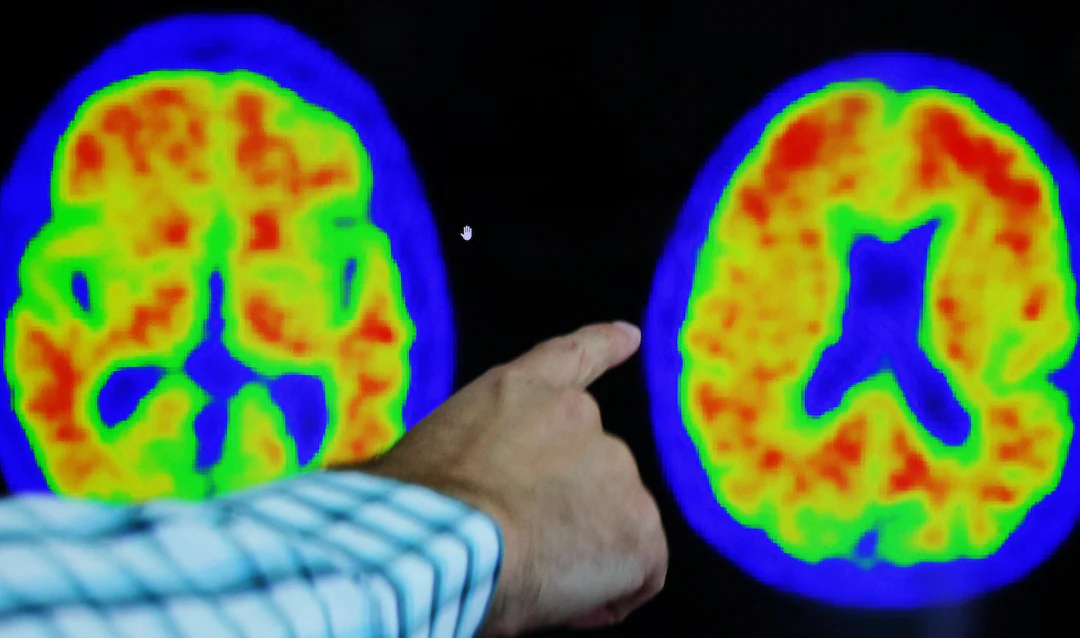
Scientists have uncovered a way in which the APOE4 gene, the highest genetic risk factor for Alzheimer’s disease, affects blood vessels in the brain — and trials suggest that the damage might be reversible.
Researchers at the Icahn School of Medicine at Mount Sinai in New York have discovered that APOE4 can turn pericytes, cells that typically support and stabilise small blood arteries and assist maintain the integrity of the blood-brain barrier, into scar-forming cells.
The change creates fibrosis, or an excess of scar-like tissue, surrounding blood vessels in the brain and promotes the buildup of amyloid, a protein associated with Alzheimer’s disease. The results appeared in the journal Cell on September 24.
Using a single-cell genetic map of human brain blood arteries, the researchers studied how APOE4 impacts distinct cell types. They detected a reduction in the number of normal pericytes and the emergence of a population of myofibroblast-like cells in APOE4 carriers.
Additional investigations indicated that the modified cells secreted fibronectin, a protein involved in connective tissue development, which contributed to amyloid buildup around blood vessels.
The scientists found that the alteration was driven in large part by increased activity of a signalling pathway involving transforming growth factor beta, or TGF-beta. Blocking TGF-β signalling restored normal pericyte coverage and reduced vascular fibrosis and amyloid formation to the levels observed with the more frequent APOE3 variation.
The findings were also replicated in elderly APOE4 mice, providing evidence that the vascular damage linked with the gene can potentially be reversed in an animal model.
Ebola Death Toll in Congo Passes 930 With Health Workers Among the Victims
“This challenges the idea that the blood vessel damage in Alzheimer’s is merely a downstream consequence of the disease,” said Joel Blanchard, one of the corresponding authors of the study. APOE4 itself can be an active contributor to cerebrovascular degeneration, and the process can be therapeutically targeted, the researchers suggest.
The finding is crucial because APOE4 has long been linked to a heightened risk of Alzheimer’s disease, but scientists have kept searching for the precise way in which the gene plays a role in the disease process. The new study emphasises the blood arteries in the brain and the cells that support them as critical in one pathway.
Mount Sinai researchers also looked at APOE4-related functions using a three-dimensional stem cell-derived human brain model called a “miBrain.” The platform incorporates neurones, glial cells and vascular structures that mimic the blood-brain barrier, enabling scientists to explore the interactions between different types of brain cells in the lab.
A companion study from the same group, published in Cell Stem Cell, indicated that APOE4 also impacts how brain cells called astrocytes, which also live in the brain, manage cholesterol. This caused cholesterol to build up, which interfered with the cellular waste-processing mechanisms and caused alpha-synuclein to accumulate abnormally in lab-grown brain tissue. Reduced intracellular cholesterol could restore several of the cellular activities that were impaired in the model.
But experts warn that the discoveries do not mean the brain damage caused by Alzheimer’s may now be reversed in patients. The vascular reversal trials were conducted in laboratory models and in mice and prospective medicines targeting TGF-β would still require considerable research for safety and effectiveness in people.
But the study adds to mounting evidence that Alzheimer’s is more than just the formation of amyloid plaques and tau proteins. Changes in blood vessels, inflammation, lipid metabolism and interactions between different types of brain cells may all contribute to the development of neurodegeneration.
Also see WHO chief says Ebola epidemic outpacing response efforts
For scientists, pinpointing a potentially reversible phase in the pathway from APOE4 to blood-vessel damage could present a new target for future medicines to preserve the brain’s circulation and reduce the buildup of damaging proteins.
About the Author