
The Russian company Enteromix has made headlines with its new cancer vaccine, which has shown amazing results in early testing. The National Medical Research Radiology Centre and the Engelhardt Institute of Molecular Biology produced this personalized vaccination that employs mRNA technology to attack cancer cells. Experts say it’s too soon to say that the early evidence is a game-changer, even though it’s thrilling.
Russian scientists show off an mRNA cancer vaccine that is ready to use.
The Federal Medical and Biological Agency (FMBA) has said that the Russian Enteromix cancer vaccine is now ready for usage in hospitals.
Veronica Skvortsova, head of FMBD, revealed that the mRNA-based vaccine has worked…
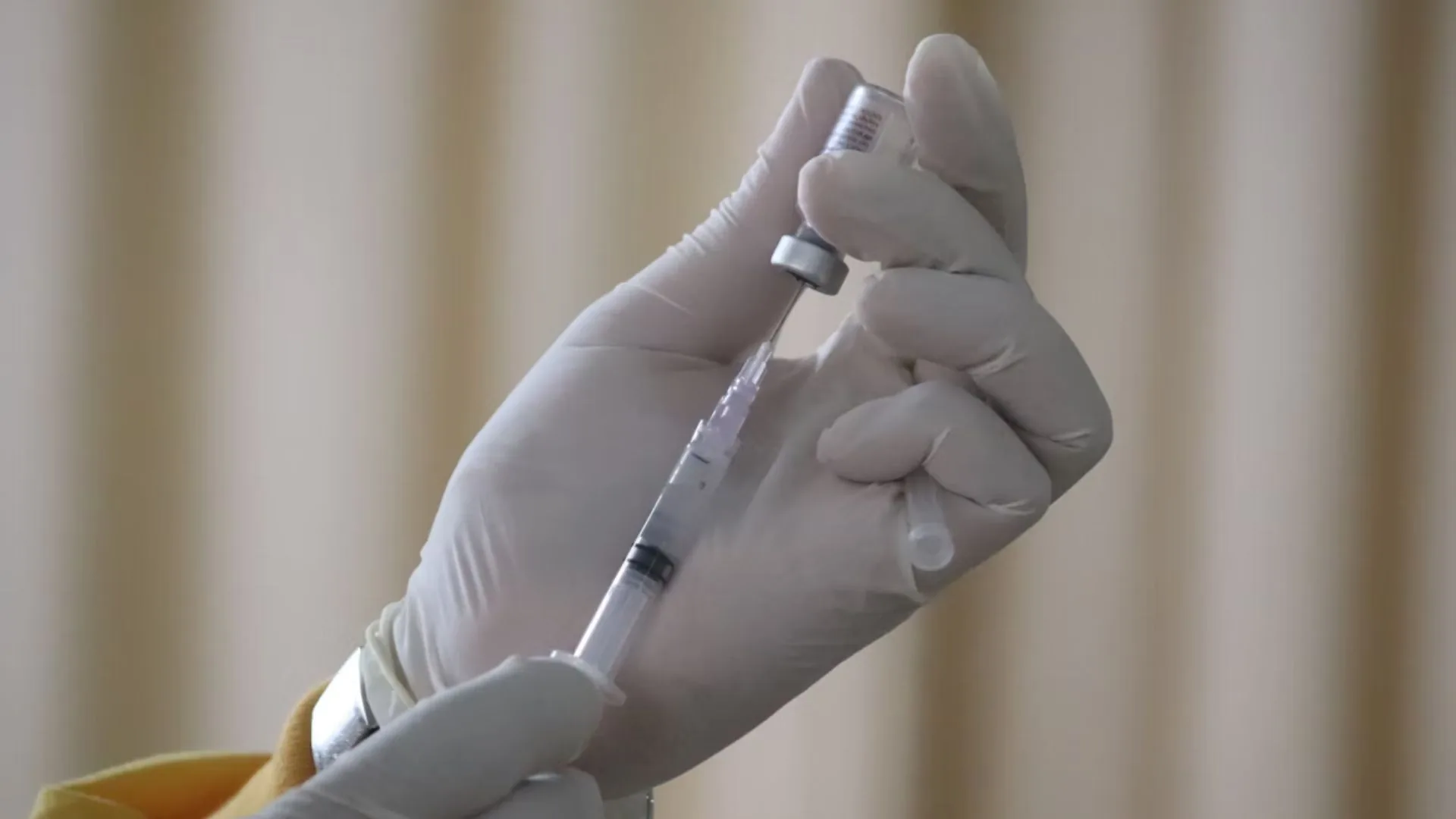
Messenger RNA, or MRNA, is a molecule in our cells that tells them what to do. It informs cells how to create certain proteins. With mRNA technology, vaccines tell cells how to make a harmless part of a virus or, in this example, a protein that is only found in a person’s cancer cells. This teaches the immune system to find and kill cancer cells without hurting healthy ones. mRNA vaccines are supposed to be more accurate and less invasive than standard treatments like chemotherapy, which can hurt healthy cells.
Enteromix goes beyond MRNA technology by making the vaccine specific to each patient’s tumor. Scientists make a personalized vaccination for each patient by looking at their cancer cells. The vaccine is meant to make the immune system attack only that tumor. This personalized method might help the vaccine work better than treatments that work for everyone.
Russia Says It Will Make Cancer Vaccines; Here’s Why This Could Change Everything
Enteromix did very well in early Phase I trials with 48 patients who had colorectal cancer. Every patient had an immunological response, which means that their bodies recognized and battled the cancer cells. About 60% to 80% of patients observed their tumors get smaller or stop growing. There were no reports of serious adverse effects, which is a good sign for safety. The vaccination also worked well in small test groups of people with glioblastoma (a type of brain cancer) and melanoma (a type of skin cancer).
These results have given Russia optimism, and the Federal Medical and Biological Agency (FMBA) is apparently speeding up the process of getting Enteromix ready for possible clinical usage. Experts, on the other hand, say to remain patient even while things look good. The Enteromix Phase I trial is all about safety and how well the body handles the medication, not how well it works in the long run.
The experiment is too small to show that the vaccination works on larger groups or over time because it only has 48 people. Cancer is complicated, and what works in little tests may not work in bigger ones later on. Some people also say that assertions of “100% efficacy” can be misleading. Even if all of the patients had an immune response, that doesn’t guarantee that they were all cured or that the cancer won’t come back. We need more strict Phase II and III trials with hundreds or thousands of patients to find out if Enteromix can really do what it says it can.
Goodbye Cancer? For the first time ever, all patients in a drug trial have no cancer.
About the Author