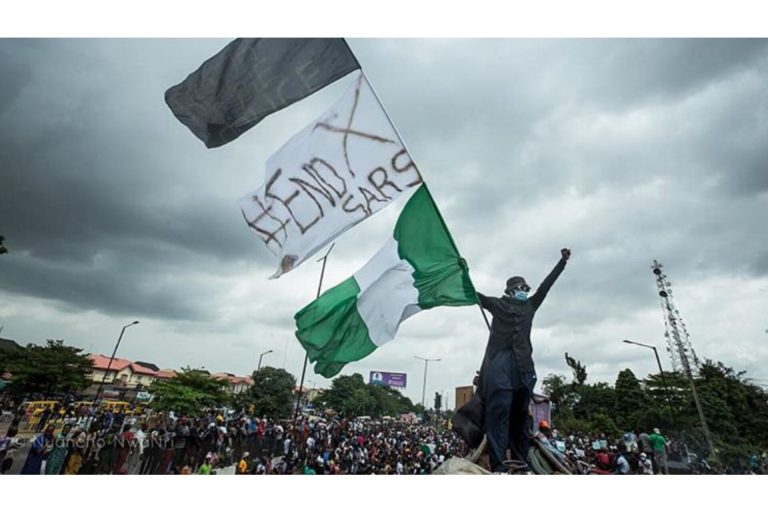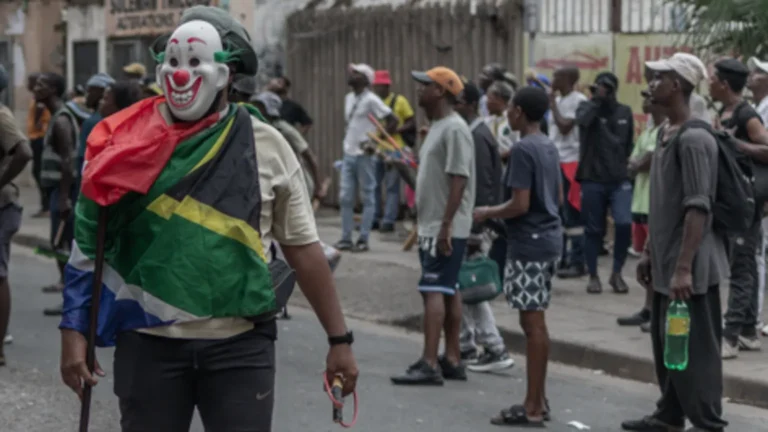

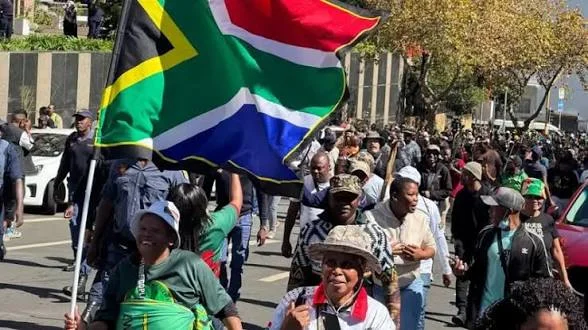
A number of African countries including Kenya, Malawi, Lesotho, Zimbabwe and Ghana have issued urgent safety warnings to its residents living in South Africa following a rise of violent attacks against foreign nationals. Anti-immigrant protests have spread through major cities such as Johannesburg, Pretoria, Durban and Cape Town, with governments urging their nationals to stay indoors and out of high-risk areas as vigilante groups demand the expulsion of all foreign nationals from the country.
The warnings came amid rising tensions sparked by protests against illegal immigration, with some groups singling out black Africans. Nigeria has adopted the most extreme position, with the House of Representatives condemning the attacks and recommending the temporary suspension of commercial permits for South African firms operating in Nigeria. The Nigerian Senate has agreed to send a high-level committee led by Senate President Godswill Akpabio to deal with the problem, while the Federal Government has confirmed the registration of at least 130 Nigerians for voluntary evacuation after two Nigerian citizens died.
Ghana has officially submitted a request to the African Union to include the reoccurring xenophobic violence on the agenda of the forthcoming Eighth Mid-Year Coordination Meeting slated for June 24 to 27, 2026, in El Alamein, Egypt. The letter was signed by the Minister of Foreign Affairs and Regional Integration Samuel Okudzeto Ablakwa, who said the attacks were a matter of urgent continental concern and required concerted African action. The Government of Ghana is gravely worried about the resurgence of xenophobic violence in the Republic of South Africa,” the letter said, adding that the targeting of fellow Africans undermines the principles of African solidarity, brotherhood and continental unity.
Ghana also assisted the emergency return of its resident Emmanuel Asamoah who was seen getting tormented in a popular social media video. In the film, a swarm of people were heard calling to see his legal paperwork, with one woman shouting “We don’t want you here” and ordering him to “fix his country.” Ghana’s Ministry of Foreign Affairs Coordinating Director, Harold Agyeman confirmed the evacuation saying “Under the instructions of the minister Emmanuel Asamoah has been evacuated to Ghana to ensure that he is in a safe space”, adding that “the government is very much conscious and strongly committed to protecting our nationals abroad”.
Likewise, the Zimbabwean Consulate has issued precautions after confirming that its offices in Johannesburg and Cape Town have received worrisome reports of demonstrations against foreigners. The consulate said that “the reports are a serious danger to the safety and wellbeing of Zimbabweans living in South Africa”. Zimbabweans have been warned to be cautious, avoid areas where demonstrations are being held, stay indoors, minimize spontaneous movements and carry necessary documentation at all times. The 2022 Census in South Africa estimates the number of Zimbabweans in South Africa at over 1.1 million, comprising 45 percent of the foreign-born population.
Charles Nkhalamba, spokesperson for Malawi’s Ministry of Foreign Affairs, said the embassy offices in Johannesburg and Pretoria have been getting reports from impacted Malawians. “We have a long-standing relationship with South Africa and through this relationship we share and discuss various issues including issues like these,” Nkhalamba said asking Malawians to follow safety recommendations and report to embassies if affected.
Nigeria’s Minister of Foreign Affairs, Bianca Odumegwu-Ojukwu has expressed alarm about the nature of the unrest, saying that the violence seems to be targeted at black Africans and not outsiders in general. “It is worrying for our citizens in Nigeria and also those living in South Africa that the demand that all foreigners should leave South Africa is only directed at black Africans, which makes one ask whether what is happening should not be better described as ‘Afriphobia’ and not xenophobia,” she said.
The South African government denounced the violence but also recognized citizens’ frustrations over illegal immigration. “The fake videos and images are not only fake, but they are intended to undermine the good reputation of South Africa internationally and undermine the country’s pursuit of a better Africa agenda,” Minister in the Presidency Khumbudzo Ntshavheni told the media after a recent cabinet meeting. South Africans have the right to protest against the increasing challenge of illegal immigration but violence associated with such protests is not acceptable and law enforcement must deal with the instigators of such violence,” a cabinet statement added.
President Bola Tinubu has asked Nigerian missions in South Africa to establish a crisis notification center to help impacted Nigerian citizens. “The evacuation of our citizens who want to return home remains our government’s priority at this time”, Odumegwu-Ojukwu said after talks with her South African counterpart Ronald Lamola. Mozambique’s President Daniel Chapo met with South Africa’s President Cyril Ramaphosa on Tuesday and appealed for calm. Ghana has set up a 24-hour consular hotline in South Africa to guarantee the urgent protection of its residents.
Migrant rights groups say South Africa’s economic woes – especially high unemployment at more than 30 percent, which is hardest on the black population – are being blamed on foreign nationals. Vigilante organizations as Operation Dudula have spearheaded campaigns against undocumented migrants, often preventing them from accessing public health facilities. Stats SA reported that the number of immigrants in South Africa has grown consistently over the last few decades, rising from 2% of the overall population in 1996 to 4% in 2022.
The African Union has condemned xenophobia and violence against migrants, saying such acts are antithetical to the objective of African unity and integration. Ghana has petitioned the AU to improve monitoring measures, form a fact-finding expedition to uncover the core causes of the violence and launch dialogue and reconciliation initiatives to promote tolerance and inclusivity across the continent.
About the Author