
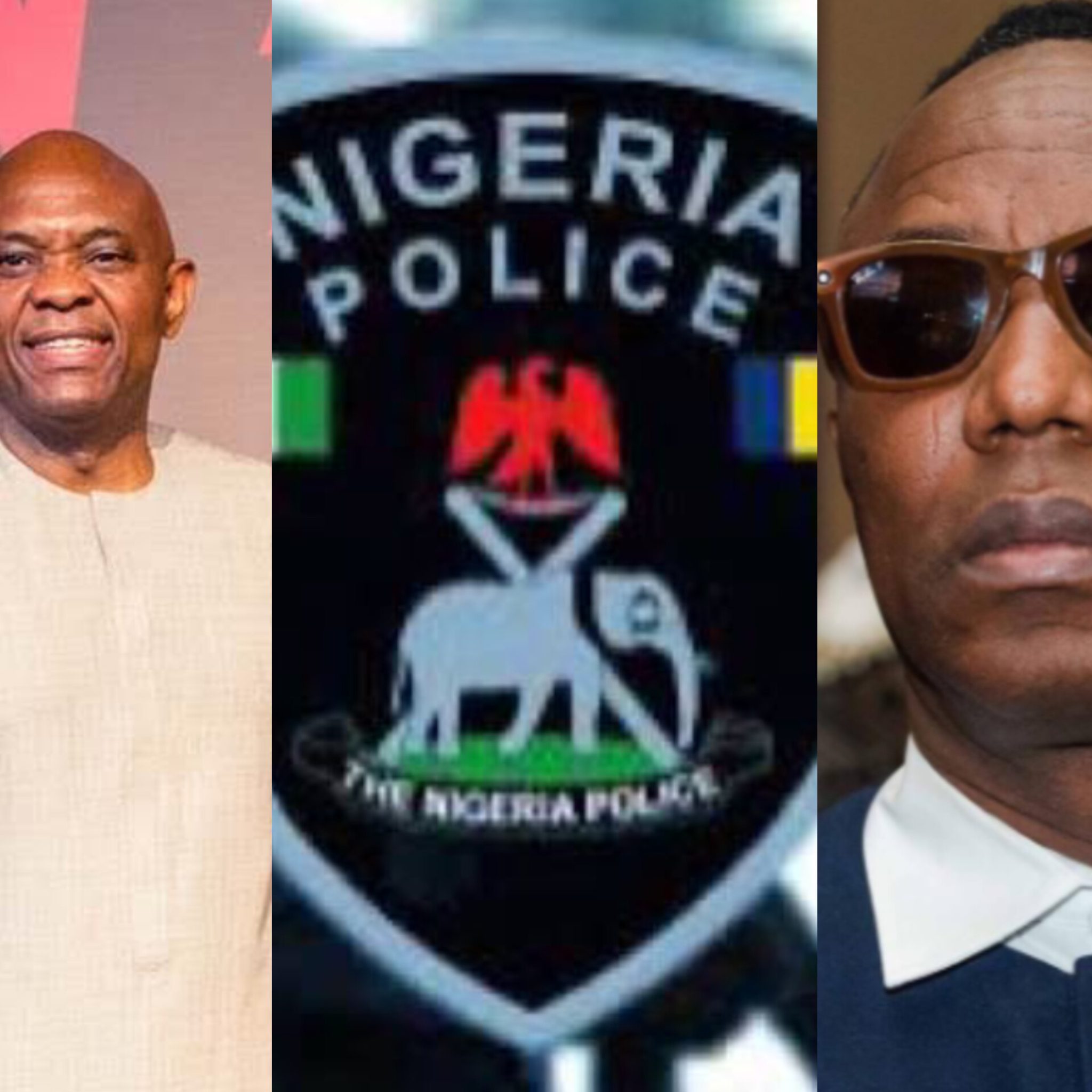
Omoyele Sowore, a human rights activist and ex-presidential candidate, has called on the Nigeria Police Force to free three persons held over alleged defamatory reports against Tony Elumelu, Chairman, United Bank for Africa.
In a Facebook post today, Sowore said making accusations about a public figure’s marital status is not a criminal violation that warrants arrest or incarceration.
“We have to keep reminding the Nigerian Nigeria Police Force… that it is not a criminal offence that requires arrest or detention for bloggers to report that the Chairman of @UBAGroup, @TonyOElumelu, has allegedly divorced his wife,” he said.
Such a matter is at most a question of civil law, and does not call for police intervention or repression. He added: “The @PoliceNG should therefore immediately release Kingsley Akunemeihe (@Directorkem), Chigozie Success Ihebom and John Surpruchi Nwanorue (@problemchimky).
The PUNCH adds that Sowore’s declaration came after UBA had dismissed as false and defamatory a viral story that Elumelu had divorced his wife, Awele.
•Tony Elumelu and wife, Awele
In a statement signed by its Group Head of Brand, Marketing and Corporate Communications, Alero Ladipo, the bank said the article was “fabricated, reckless and malicious” and was aimed to mislead the public and destroy reputations.
“The attention of UBA Group has been drawn to a false, defamatory and malicious publication currently making the rounds on social media platforms, falsely claiming that the Group Chairman, Mr Tony O. Elumelu, CFR, has divorced his wife,” the statement stated.
UBA also said that it had informed the law enforcement authorities and three people were arrested in connection with the creation and distribution of the information.
“The case has been referred to the relevant law enforcement agencies and they have taken action. “We can confirm that three individuals directly involved in the fabrication and dissemination of these malicious falsehoods have been arrested,” it said.
The bank also asked individuals and platforms spreading the content to cease and desist, advising them to remove the публикации and hold relevant materials in case of legal action, adding they might face civil and criminal liability if they failed to do so.
The move has triggered debate over the limitations of free speech, defamation laws and the role of law enforcement in controversies involving internet sites.
About the Author