

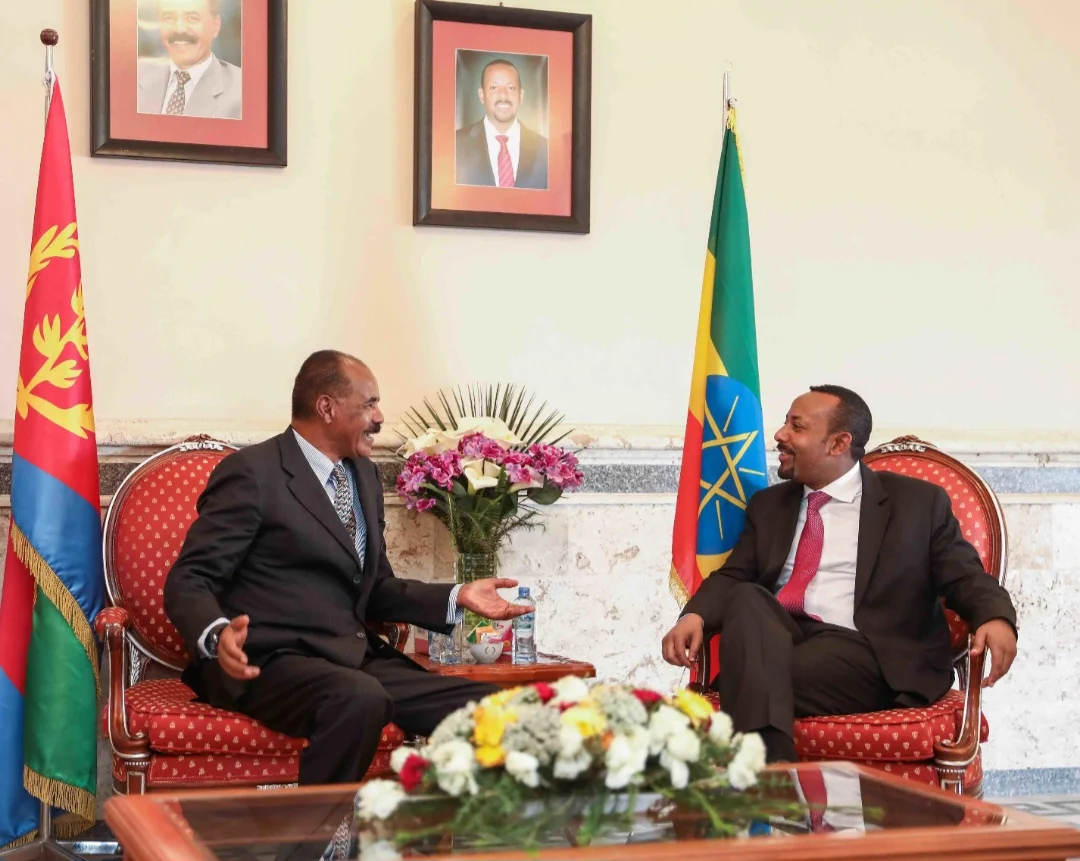
Ethiopia and Eritrea have cut diplomatic ties as ongoing fighting in northern Ethiopia escalates, prompting fears that the conflict could spill over into a bigger regional crisis in the Horn of Africa.
The rupture in diplomatic ties came after Ethiopia said on Thursday that it would close its embassy in Asmara and expel 10 Eritrean diplomats, accusing them of conduct that endangered Ethiopia’s national security.
In response, Eritrea said it will cut all diplomatic ties with Ethiopia, adding that Addis Ababa had left it no choice but to retaliate in kind.
Ethiopia’s Foreign Ministry stated the 10 Eritrean diplomats, including the charge d’affaires and officials accredited to the African Union, were declared persona non grata and given 48 hours to leave the country.
Eritrea was accused by Addis Ababa of direct and indirect acts of hostility and belligerence. Eritrea denied the charges, saying that Ethiopia was pursuing what it called a continuous hostile strategy against its neighbour.
The diplomatic crisis comes as combat has escalated in Ethiopia’s northern Tigray region between federal government troops and an armed opposition group led by the Tigray People’s Liberation Front (TPLF).
Ethiopian federal forces and allied militias were pushing toward Mekelle, the capital of the Tigray province, Reuters reported on Friday. Banks and shops in the area were shuttered as government forces closed in on the city, purportedly, residents informed the news agency.
The recent fighting is the worst escalation in northern Ethiopia since the Tigray war of 2020-22. The last war killed hundreds of thousands of people and brought Eritrea into military cooperation with Ethiopia’s federal government.
See also South Sudan President Replaces Top Military, Finance Officials in Latest Shakeup
Since then, relations between Addis Ababa and Asmara have worsened dramatically. Ethiopia now accuses Eritrea of backing the Tigrayan-led opposition group, while Eritrea denies involvement in hostile activities against Ethiopia.
One important source of conflict is Ethiopia’s need for secure access to the Red Sea. Ethiopia, which has been without access to the sea since Eritrea got independence in 1993, has consistently said access to the sea is crucial for its economic and security interests.
Eritrea has expressed alarm over Ethiopia’s ambitions, especially concerning the port of Assab. Ethiopia wants to gain access to the sea through peaceful methods, stated the Ethiopian Prime Minister Abiy Ahmed, while Asmara accuses Addis Ababa of territorial ambitions.
The diplomatic breach has also taken place with a separate row involving Egypt. Ethiopia has ordered an Egyptian ambassador to leave the country, and Egypt has replied by asking an Ethiopian embassy counsellor to leave.
Ethiopia has accused Egypt and Sudan of backing the opposition group, along with Eritrea. The countries have refuted the charges.
The African Union has urged Ethiopia, Eritrea and Egypt to display greatest restraint and refrain from any acts or words that could increase tensions. The continental group called on the countries to settle their concerns through the established diplomatic channels and peaceful dialogue.
Meanwhile, the news of explosives in Addis Ababa has raised concerns over the intensifying conflict. Suspected drone assaults were heard in Ethiopia’s capital, according to Reuters, which stated it could not independently verify who was responsible.
With warfare raging in Tigray and diplomatic ties between Ethiopia and Eritrea now severed, regional leaders and pundits are growing increasingly anxious about the implications for the greater Horn of Africa.
About the Author