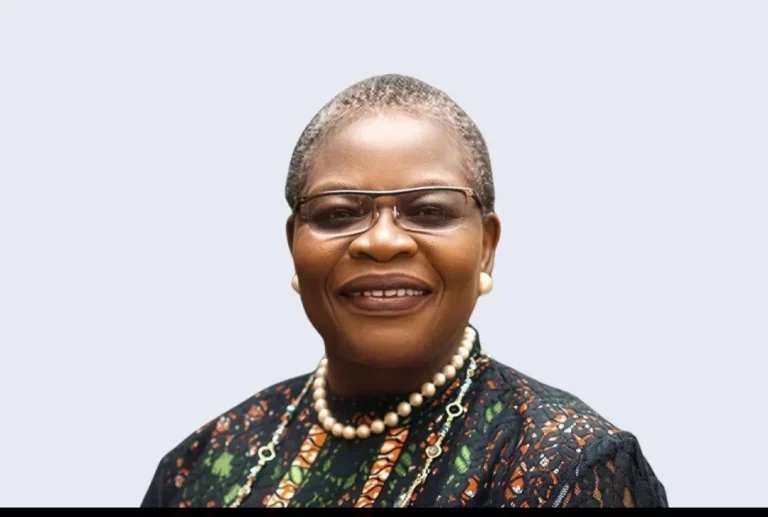

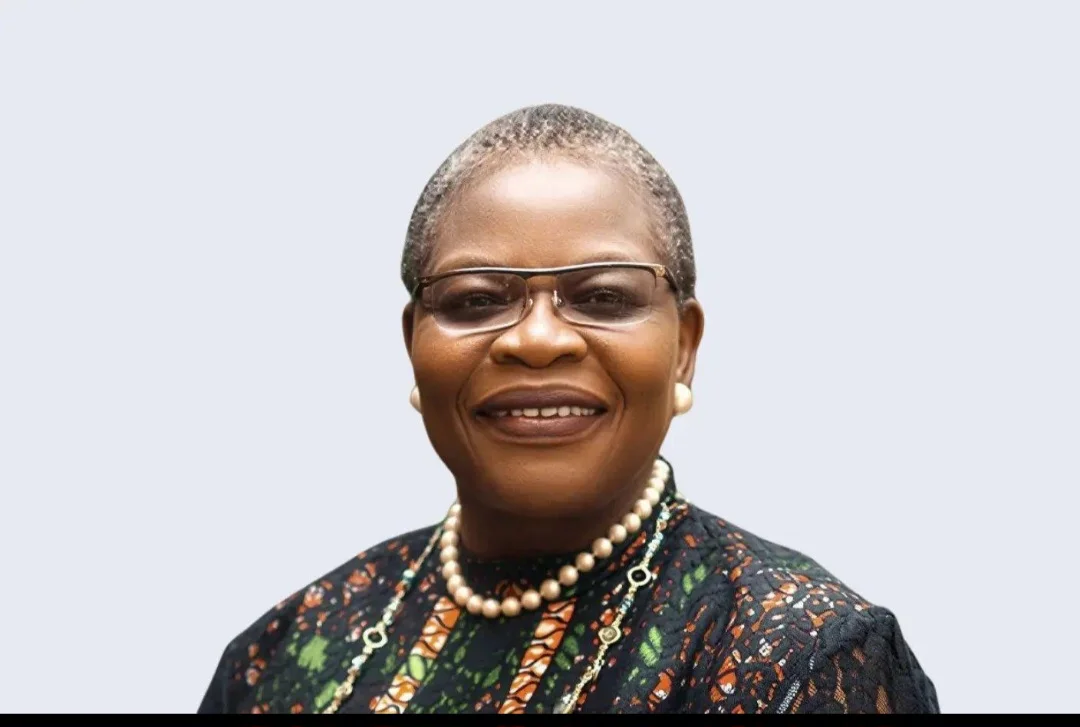
Former Minister of Education, Dr Obiageli “Oby” Ezekwesili has questioned the legitimacy of the Independent National Electoral institution, INEC, saying the institution cannot be trusted to independently handle Nigeria’s 2027 general elections.
Ezekwesili said this in an open statement following reports that INEC staff corrupted the preliminary voters register by inserting artificial intelligence produced photos, duplicate records and other forged entries.
She said the suspected hacking of the voters’ registry had raised serious worries about the commission’s ability to guarantee legitimate elections and insisted that an organization accused of internal misbehaviour should not be left to investigate itself.
She said: “INEC’s Director of Information and Communication Technology, Dr Lawrence Bayode, had during television interviews on October 30 and November 1, disclosed that registration officers had allegedly used their official login credentials to introduce irregular entries into the register across several states.
Ezekwesili defined the situation as a suspected act of sabotage from within the electoral institution instead than an external cyberattack or a technological glitch.
She also blasted the panel for not giving enough specifics on the extent of the suspected manipulation, the states and local government regions involved or the authorities involved.
The question of whether Nigeria is capable of conducting a legitimate 2027 election has already been answered. “Nigeria cannot hold a credible 2027 election under the leadership of INEC,” she said.
The former minister also stated that the voters’ register, which is the bedrock of the election process, belonged to the Nigerian people and should not be viewed as the exclusive preserve of the electoral commission or the federal government.
In an effort to resolve the problem, Ezekwesili advocated for the urgent setting up of an impartial Citizens’ Electoral Rescue Team to supervise the cleansing and verification of the voters’ register in preparation for the 2027 general elections.
She suggested that the team should comprise independent forensic data specialists, cybersecurity and biometric experts, civil society organisations, representatives of the Nigerian Bar Association, professional bodies, academics, religious and traditional leaders, and international election observers.
Her plan would allow members of recognised political parties to witness the process, but not to oversee its actions.
She also noted that serving or former INEC officials, political office holders, election candidates and party leaders should be removed from the proposed committee to preserve its independence.
Ezekwesili said the proposed committee should carry out a full forensic assessment of the voters’ database, uncover fake registrations, determine how the errors happened and guarantee that those implicated in the suspected malfeasance are held accountable.
She also appealed to the National Assembly to establish a law under what she called a “Doctrine of Necessity” to authorise the proposed rescue team to oversee the restoration of credibility to the election process.
The former minister urged civil society groups, professional bodies, church leaders, young Nigerians, the judiciary and the foreign community to endorse the appeal for an independent intervention prior to the release of the final voters’ register.
Meanwhile, the INEC Chairman, Professor Joash Amupitan, has stated the commission is working to purge the national voters’ database of invalid registrations ahead of the 2027 elections.
The INEC is said to be currently working on purging roughly 1.5 million irregular registrations detected through its verification processes, with the final voters’ record expected to be published on December 15, 2026.
Technology-enabled verification and its claims and objections process would help to strengthen the integrity of the register, the commission has said.
The scandal comes as Nigeria prepares for the 2027 general elections, with increased fears about electoral openness, public confidence and the viability of the country’s democratic institutions.
About the Author