
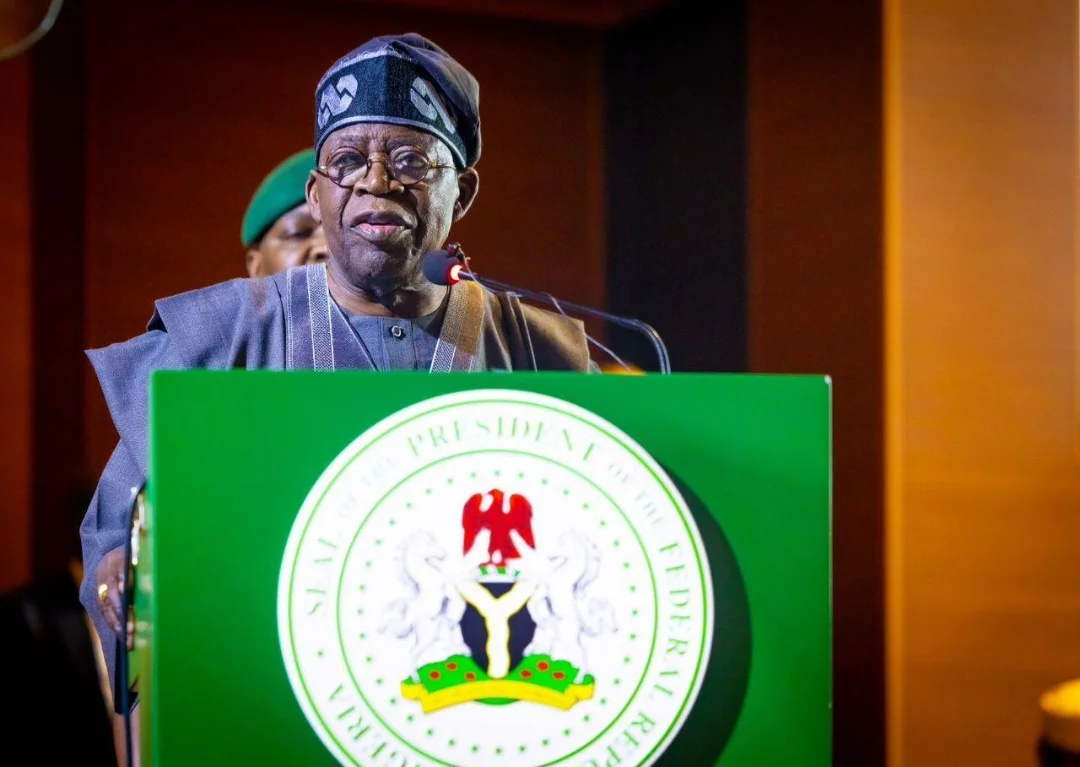
The Presidency has firmly defended President Bola Ahmed Tinubu’s economic policies, refuting claims by former Vice President Atiku Abubakar that the administration had recklessly borrowed and mismanaged the country’s resources.
In a statement titled “Facts, Not Fear: A Point-by-Point Response to Atiku Abubakar on Nigeria’s Reform Journey”, Bayo Onanuga, Special Adviser to the President on Information and Strategy, argued that Atiku’s criticism was based on outdated economic data from 2024 and failed to acknowledge the progress recorded under the Tinubu administration.
Onanuga said Nigeria’s economy has changed drastically since the hard changes adopted shortly after Tinubu took office, including the abolition of fuel subsidies and the opening of the foreign exchange market.
The Presidency said that after the 2024 exchange-rate adjustment, Nigeria dollar-denominated Gross Domestic Product (GDP) dropped to around $253 billion but has already recovered to almost $377 billion, a 49 percent increase.
It added that Nigeria’s gross domestic product in naira terms grew from an estimated ₦314 trillion in 2024 to around ₦530 trillion, noting that the development was the result of increasing economic activity and ongoing structural reforms.
Onanuga said that economic changes should be assessed over time and not on the basis of their immediate impact. He stated that the administration had always recognised the transient nature of the suffering associated with the reforms.
Responding to fears of Nigeria’s ballooning debt profile, the Presidency said the country’s debt profile is still manageable in relation to the size of the economy.
Nigeria’s debt-to-GDP ratio is roughly 40 percent, lower than many other African and developed nations, the statement stated. It also observed that the debt service-to-revenue ratio of the country has declined from around 100 percent in December 2022 to below 60 percent, demonstrating stronger government revenue creation and improved debt management.
Read Also Tinubu lauds Armed Forces, says Nigeria will win war against terrorism
The administration said that the majority of the current borrowings were for the purpose of funding infrastructure and other long term projects and not recurring expenditure.
The Presidency also backed President Tinubu’s decision to abolish petrol subsidies, hailing it as one of the boldest economic reforms of the administration.
“Successive governments have acknowledged the burden of fuel subsidies but they have failed to remove it,” said Onanuga. He said that the withdrawal of subsidy had led to huge increments in the allocations to states and local governments through the Federation Account Allocation Committee (FAAC), which has empowered them to spend more on infrastructure, education, health care, salaries and pensions.
The statement said the strategy had reinforced fiscal federalism by providing sub-national governments with increased financial power to deliver development projects.
The Presidency has reacted to Atiku’s criticism of the ongoing tax reforms, saying the aim is not to further burden Nigerians but to build a more equitable tax system.
The tax reliefs would continue to apply to individuals earning ₦1 million and below per year and small enterprises with turnovers below ₦100 million but wealthier individuals and larger organisations would carry a higher tax burden, the statement said.
The government says the revisions are meant to widen the tax base, curb tax evasion and boost public revenues.
The Presidency also highlighted what it called substantial gains in health and education sectors.
Over the previous three years, more than 3,000 Primary Healthcare Centres have been refurbished or upgraded and more than 78,000 frontline health workers have gotten additional training, it stated.
On education, the statement noted that over 11,000 initiatives have been implemented through the Universal Basic Education Commission (UBEC).
It also emphasised the Nigerian Education Loan Fund (NELFUND), saying that more than 1.64 million students had been given tuition and upkeep loans worth over ₦303 billion.
The Presidency also cited investments in roads, railroads, airports, power infrastructure, housing, gas development and digital connection as evidence of the administration’s commitment to economic growth.
It also mentioned the recent rollout of social intervention efforts, including the NG-CARES, HOPE and SOLID programmes, worth over $3 billion, and cash transfers to 15 million needy households.
The statement said the efforts would buffer the effects of the economic changes on ordinary Nigerians.
The statement further refuted Atiku’s assertion that the Federal Government was in receipt of unreported oil windfall of ₦7.98 trillion.
Onanuga said that although global crude oil prices had exceeded the government’s benchmark, lower-than-expected oil production and current crude-backed loan obligations decreased the potential revenue available to the government.
Calculations based only on oil prices and output quantities do not take into account production costs, contractual responsibilities and income sharing arrangements between the government and oil corporations, he said.
In conclusion of the statement, the Presidency asked Nigerians to judge the Tinubu administration on the long term results and not on the short term economic issues.
The government acknowledged that the changes have taken a heavy toll but said they were required to fix structural imbalances, restore public finances and put the economy on a path of sustainable growth.
The Presidency said Nigeria’s economy is improving steadily and expressed confidence that the advantages of the reforms would become more palpable in the years ahead.
About the Author