
Nigeria has called for a united front against xenophobia in South Africa.
The Nation reports that it has called on the Economic Community of West African States (ECOWAS) to escalate the issue from the regional bloc to the continental body, the African Union (AU).
Countries severely affected by the attacks on fellow Africans by mobs in South Africa include Nigeria and Ghana, two prominent members of ECOWAS, which the Cyril Ramaphosa government looks on. Population
Like other countries whose citizens living in South Africa were attacked, Nigeria had citizens killed, maimed or deprived of their means of livelihood through the looting of their shops, and then evacuated many of them.
The marauding crowds did not spare citizens of Southern African countries adjoining South Africa — Malawi, Zimbabwe, Lesotho and Botswana, among others.
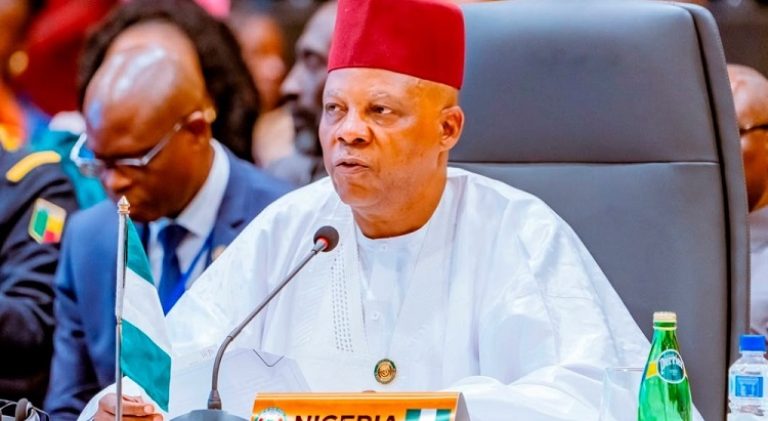
President Bola Ahmed Tinubu has said xenophobia is condemned, as he addressed the 69th Ordinary Session of the ECOWAS Authority of Heads of State and Government in Lungi, Sierra Leone yesterday.
“Nigeria strongly condemns the recent Afrophobic attack on its citizens and other fellow Africans in the Republic of South Africa.
“As His Excellency, the President of Ghana already stated, ECOWAS should take this issue to the next meeting of the Authority of the African Union to send a clear signal that this type of behaviour is unacceptable.
“South Africa needs to be reminded that the freedom the country is enjoying today is as a result of the efforts of the liberation of the African countries such as Nigeria.
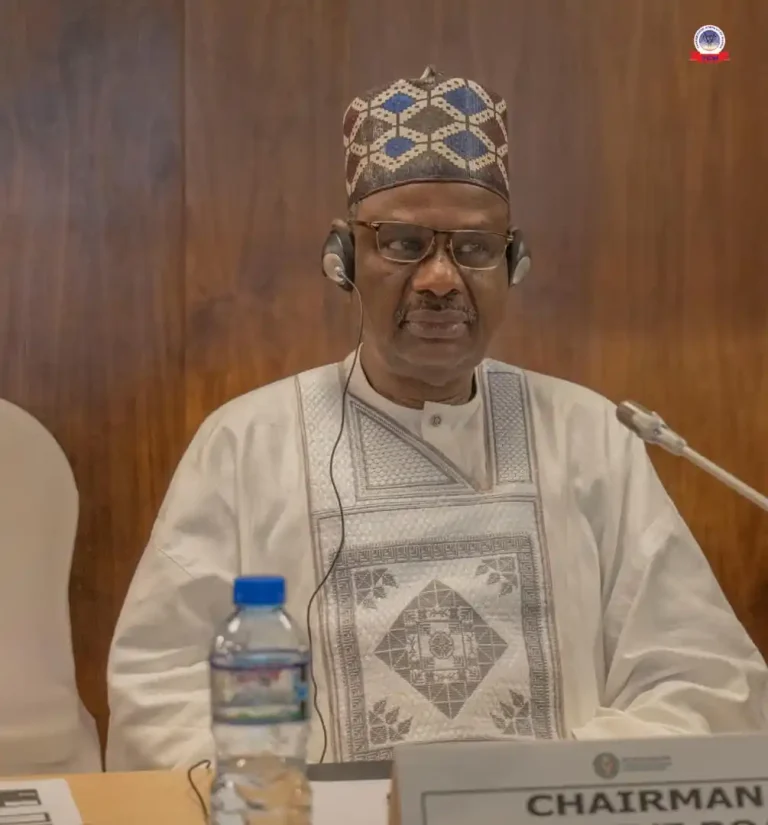
“The Nigerian Government has evacuated 1,490 of its citizens in seven batches and is prepared to engage on this matter,” the president stated in an address delivered by Vice President Kashim Shettima.
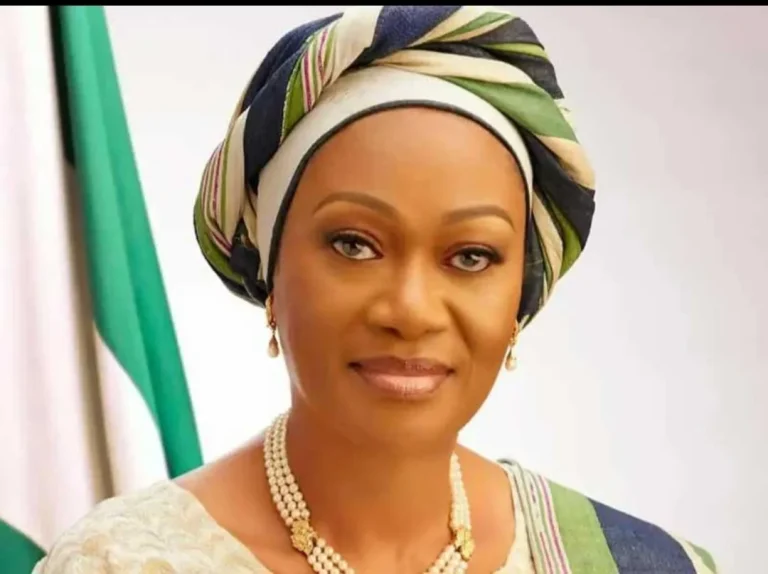
This viewpoint is also in line with the hint dropped by the Minister of Foreign Affairs, Ambassador Bianca Odumegwu-Ojukwu, that Nigeria would retaliate against South Africa.
In this regard, the National Assembly will make recommendations, she said.
The National Assembly has condemned the attacks on Africans and is already studying the development to come up with its stand.
Senior lawyer Femi Falana (SAN) also called on the federal government to drag South Africa to the African Court over the weekend.
Tinubu reiterated Nigeria’s commitment to the recently formed ECOWAS Compact for the Future of Regional Integration, calling it a groundbreaking plan to strengthen regional solidarity, economic integration, democratic governance and sustainable development across West Africa.
He said Nigeria was still very much committed to the implementation of the Compact as it was in tandem with the aspirations of ECOWAS Vision 2050 while extending the collective perspective of the bloc to 2075.
“As the largest economy and one of the key founding members of our Regional Economic Community, Nigeria remains steadfast in its historic responsibility to continue the promotion of regional unity, peace, economic integration and democratic governance,” said Tinubu.
The president assured his fellow leaders that Nigeria will continue to engage with member nations and other stakeholders to guarantee the successful implementation of the Compact and the realisation of its six strategic pillars.
He also reiterated Nigeria’s commitment to reducing trade obstacles, strengthening cross-border infrastructure and encouraging the free movement of people, products and services to create a more conducive environment for business and investment across West Africa. African and Diaspora
The president warned that security and instability remained fundamental challenges to growth in terms of democratic governance and reaffirmed Nigeria’s commitment to the ECOWAS Protocol on Democracy and Good Governance.
He said Nigeria backed constitutional governance, rule of law, respect for human rights and zero tolerance for unlawful transitions of administration.
But outside military coups, Tinubu claimed that bad governance and constitutional manipulation were the primary causes of political instability.
“Let me add that the best antidote to unconstitutional changes of government and mass protests that can undermine public order, apart from adventurism, is for us to enthrone good governance that delivers more tangible benefits to our citizens.
“We must also resist the temptation to tinker with constitutional term limits, or to abuse constitutional processes,” the president stated.
Tinubu underlined Nigeria’s commitment to the establishment of the proposed ECOWAS Counter-Terrorism Force and the strengthening of the ECOWAS Standby Force to enhance intelligence sharing, cooperative security operations, preventive diplomacy and regional reaction to terrorism.
Nigeria was dedicated to achieving gender equality, boosting women’s involvement in leadership and decision-making, investing in education and skills development, encouraging youth entrepreneurship and ensuring that young people played active roles in defining the region’s future, he added.
On recent tensions in the sub-region, the president emphasised Nigeria’s commitment to discussion and constructive engagement, especially with the Alliance of Sahel States (AES), stating that ongoing engagement remained critical to maintaining the unity and relevance of ECOWAS.
Tinubu commended Sierra Leonean President Julius Maada Bio for hosting the summit and for the opening of the Julius Maada Bio International Conference Centre where the gathering was conducted.
He lauded Bio’s management of ECOWAS in the last one year, noting that his leadership has helped continue discussion, solidarity and regional cooperation amid political transitions, security problems, economic strains and humanitarian issues across the sub-region.
President Bio in his remarks said the summit was an opportunity for Leaders to reflect on the bloc’s successes and map a new route for the sub-region.
“ECOWAS Vision 2050 lays out a road map to build a peaceful, integrated and prosperous West Africa, anchored in democratic governance and driven by the creativity and enterprise of its people,” Bio added.
“West Africa must enter a new era of self-confidence, strategic clarity and greater determination to shape its own future,” he said.
President of the ECOWAS Commission, Dr Omar Alieu Touray, reaffirmed the Commission’s resolve to strengthen governance, accountability and policy coordination among Member States. Executive Branch
“The Commission has re-established democratic governance and electoral support mechanisms and strengthened regional responses to security and humanitarian challenges,” said Touray.
We have strengthened collaboration to counter terrorism, violent extremism, organised crime, and other transnational dangers that continue to harm stability and development.
“We are also advancing major infrastructure projects vital to our shared future. The African Atlantic Gas Pipeline is among the most transformative initiatives ever undertaken in our region.
“It will create a major energy corridor linking several West African coastal states, promising to enhance energy security and support industrialisation, create jobs and strengthen economic interdependence.
“We are also making progress on the Abidjan-Lagos Corridor Highway Project,” he stated.
About the Author