
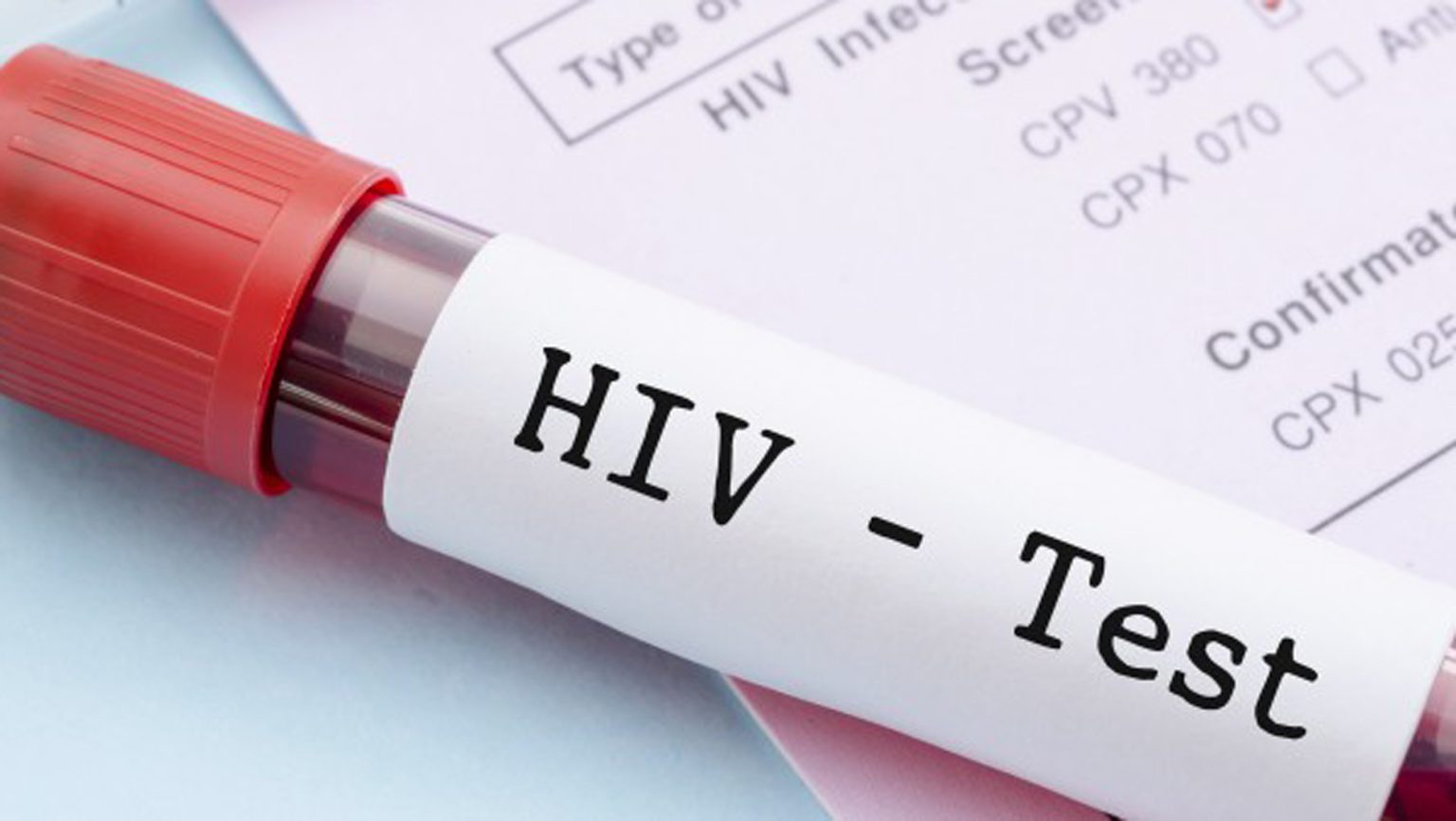
The poll, a population-based HIV survey in Lagos State, found that 41.7 per cent of those living with the virus are unaware of their status while just 48.3 per cent are virally suppressed.
The data are from the Nigeria State-Level Antiretroviral Therapy (ART) Impact Survey, which was undertaken between November 2025 and February 2026 and funded by the United States Government via the U.S. Centers for Disease Control and Prevention (CDC), The Guardian writes.
The poll, which was conducted among persons aged 15 to 64, assessed HIV prevalence in Lagos at 1.2 per cent, with women accounting for 1.6 per cent and men 0.8 per cent.
Results presented in Ikeja showed that 58.3 per cent of those living with HIV knew their status while 93.4 per cent of those diagnosed were on antiretroviral treatment. Of those on therapy, 88.9 per cent were virally suppressed.
The findings will assist assess progress since the 2018 Nigeria AIDS Indicator and Impact Survey (NAIIS) highlighted gaps and evaluated interventions, said Dr Dayo Lajide, Permanent Secretary, Lagos State Ministry of Health. Buy Maps
Lajide also cited the 2025 HIV Health Sector Report of the Federal Ministry of Health through the National AIDS, Viral Hepatitis and STIs Control Program (NASCP) which estimated that 192,911 people were living with HIV in Lagos, 129,977 of whom were on antiretroviral treatment, translating to 65.7 per cent coverage.
Dr Temitope Ilori, Director-General of the National Agency for the Control of AIDS remarked that the easiest part was conducting the survey while the harder task was to implement the findings to improve services.
She asked stakeholders to take ownership of the data to identify underserved people and focus resources to close gaps, adding that the Federal Government was ready to assist states in using the findings.
Dr Anima Shaw, the Chief Executive Officer of the Lagos State AIDS Control Agency (LASACA) said the findings will drive budgeting, resource allocation and planning.
The state would target locations with undiagnosed and untreated cases and improve treatment adherence, retention in care and differentiated service delivery, she said.
Shaw encouraged stakeholders to act on the findings, adding that the obligation to those living with HIV should not end with the survey.
About the Author