
The U.S. and Iran are to hold high-level talks in Switzerland on Sunday amid heightened tensions in the Middle East following Iran’s statement it has shut the crucial Strait of Hormuz in reaction to increased violence over the Lebanon conflict.
The planned talks come at a critical juncture in stabilising relations between Washington and Tehran after weeks of escalating bloodshed in the region. Diplomatic sources said the Swiss-hosted discussions will focus on de-escalation measures, marine security in the Gulf and execution of previously established ceasefire arrangements.
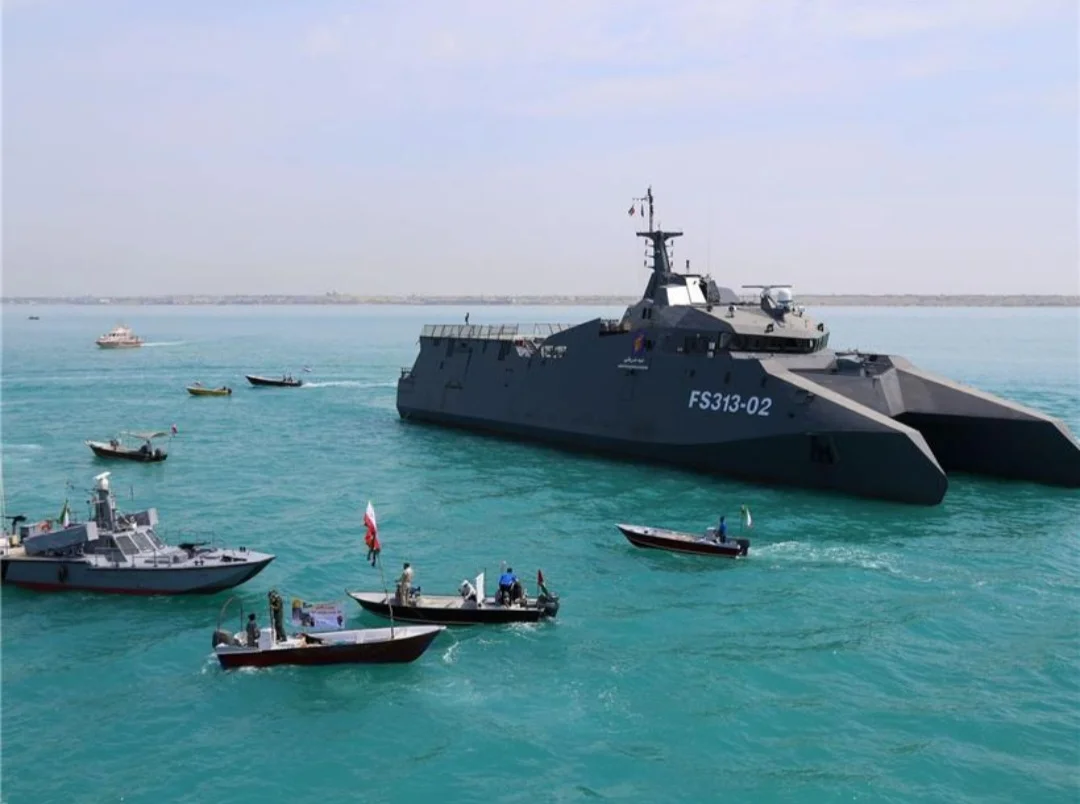
But the diplomatic breakthrough was clouded by Iran’s latest action to limit passage through the Strait of Hormuz, one of the world’s crucial oil shipping lanes. The decision was taken in response to continuous Israeli bombings in southern Lebanon and what Iranian military authorities termed violations of existing ceasefire understandings with the United States and its allies.
Tehran, for its part, called the closure a “necessary response” to continuous regional aggression, and threatened further action if the fighting continues. The announcement has sparked fears across the world over the importance of the strait for international energy shipments.
Officials in Washington have insisted preparations for the Switzerland discussions are underway as scheduled. U.S. authorities expressed cautious hope that diplomatic engagement can prevent a further escalation, amid mixed indications from Tehran.
The simultaneous drive for negotiations and the tightening of maritime restrictions is an indicator of the unpredictable and fragile nature of the current geopolitical climate, regional observers believe. Tensions spilling over into larger U.S.-Iran ties are being driven, in large part, by the situation in Lebanon, where cross-border strikes between Israel and Hezbollah have risen.
Energy markets and shipping operators are watching all of this attentively as any protracted interruption in the Strait of Hormuz may have immediate ramifications for global oil prices and supply chains.
No one really knows what will happen next, but both parties have said they are open to continuing to talk through diplomatic channels, even as military and political pressure continues to build in the region.
More details are expected when the meetings end in Switzerland where mediators are hoping to stop the issue from spiralling out of control.
About the Author