
Six years after the #EndSARS rallies against police brutality, the mother of the murdered journalist Pelumi Onifade is still demanding her son’s remains be released amidst persistent doubts over his death.
Daily Trust says that Onifade, a 20-year-old journalist with Gboah TV, disappeared in October 2020 while reporting the protests in Lagos.
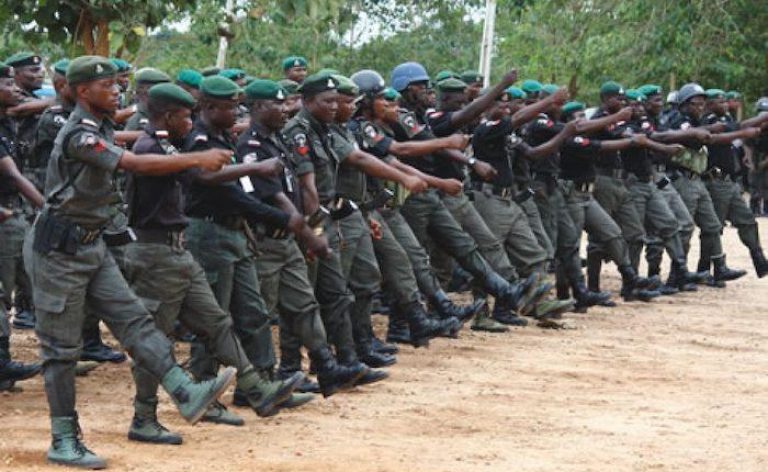
It was reported that the incident was an operation by men of the Lagos State Police Task Force to disperse demonstrators in which he was allegedly shot and dragged away.
His absence prompted a long-running search by his family, who continue to look for answers to his death and the whereabouts of his remains.
His mother, Bosede Onifade, told our correspondent on the telephone yesterday that she would not stop fighting for justice for her son.
“Don’t I have a right to ask for my son’s remains, even if they say he’s dead? What shall I say to my God? “Do I tell Him I can’t account for the son He gave me?” she wondered.
The sorrow of losing her son was accentuated by the fact he had not been buried six years after his abduction, she claimed.
“Every day I feel so awful about his death and that he has not been buried. People ought to fear God. I know I don’t know people but I have God. The case is still pending.
“I always recall his promise to make the family proud. “We all looked up to him as the future of the family but his life was cut short and we couldn’t even get his corpse six years after,” she said.
While searching for the body of Onifade, his relatives found an unidentified body in the mortuary of a government hospital in Ikorodu, Lagos State.
The body, identified by number 1385, was at the heart of efforts to establish what had happened to the missing journalist.
Following a petition brought by Media Rights Agenda in 2024, the Federal High Court in Lagos directed an investigation into the circumstances surrounding his death.
Later, legal actions, including a coroner’s inquest, took place to identify the body and the circumstances of his death.
It was reported in 2026 that DNA testing had proved the remains were those of Onifade. But his family’s demands for the return of his remains and accountability for his death remain unfulfilled.
His tale resonates with the grief of families still searching for answers about relatives who died or went missing during the #EndSARS protests and the aftermath of the crackdown on demonstrators.
#EndSARS 6 years after
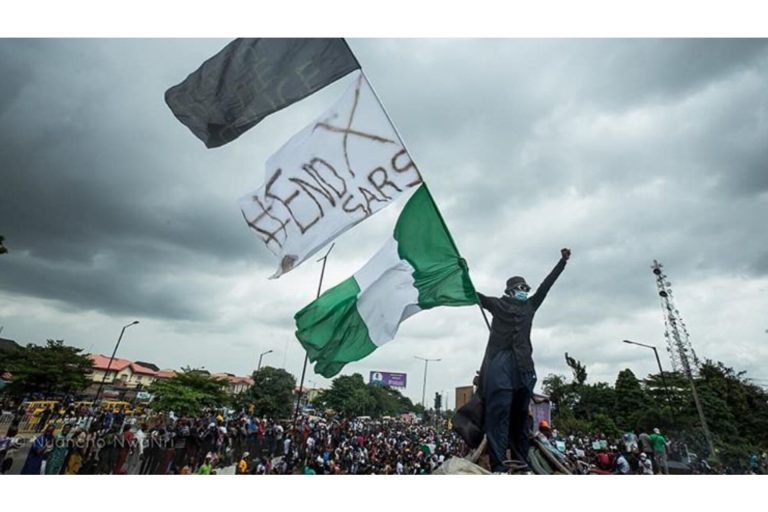
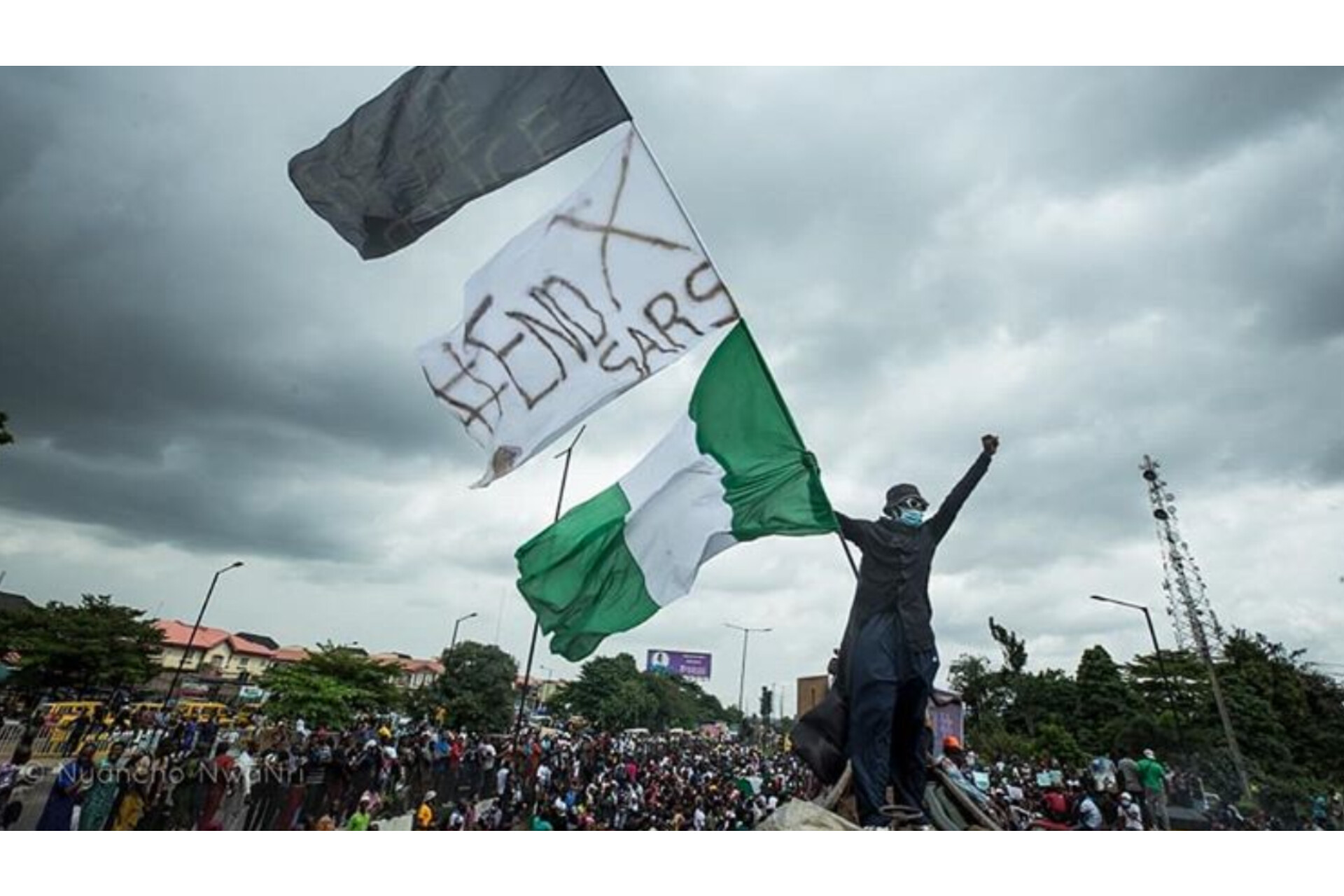
The #EndSARS protests started in October 2020, after years of accusations against the Special Anti-Robbery Squad (SARS) for harassment, extortion, arbitrary arrests, torture, profiling and extrajudicial killings.
Thousands of young Nigerians engaged in protests demanding the disbanding of SARS, police reforms and improved government.
The protests gained national and international attention after protesters were shot at the Lekki tollgate in Lagos on October 20, 2020.
The federal administration said troops had not fired at protestors. The then Minister of Information and Culture, Lai Mohammed, dismissed the rumours of a massacre as a “phantom massacre”.
The Lagos State Judicial Panel of Inquiry, which probed the incident, found that demonstrators were fired at, maimed and murdered.
The state government later dismissed significant elements of the panel’s findings, including parts of its conclusions on casualties.
The protests led police authorities to dissolve SARS and create the Special Weapons and Tactics (SWAT) team to deal with armed robbery and other violent crimes while addressing complaints about the conduct of the dissolved unit.
But the move has sparked controversy, with many questioning if the new organization will offer real reforms or just perpetuate the practices of SARS under a new moniker.
A 2023 evaluation of the #EndSARS movement observed that demonstrators remained wary of the replacement of SARS with SWAT, fearing the continuation of the same atrocities.
Human rights lawyer Onyeisi Chiemeke said there is not enough publicly available independently verified facts to know if SWAT made a meaningful difference in reducing police violence or boosting public trust.
But he added incidences of police abuse and harassment of young Nigerians continued.
“If the creation of SWAT would have solved the problem, then there wouldn’t have been a need for the creation of multiple checkpoints,” he stated.
The ongoing issue over police conduct, Chiemeke said, proved accountability could not be addressed simply by replacing one tactical unit with another.
He also referenced findings by Human Rights Watch, which said it could not establish whether security personnel had been arrested or tried for their part in the onslaught on protestors.
The organization also documented cases of demonstrators being shot and injured.
“What we witnessed in the #EndSARS protests is that public confidence in the police is not only about the capacity to arrest suspects and prevent violent crime, but also about transparency, professional conduct and credible consequences for misconduct,” he said.
Police use tear gas to disperse crowd at Lekki toll gate
There was tension yesterday at the Lekki Toll Gate, Lagos when police used teargas to disperse activists and concerned Nigerians who trooped out to mark the sixth anniversary of the #EndSARS protest.
The event was arranged to commemorate the protest against police brutality and to honour those who lost their lives.
Tear gas scattered the demonstrators, sending them running and ruining the planned ceremony.
The toll gate gathering was attended by Funso Doherty, Lagos State governorship candidate of the Nigeria Democratic Congress (NDC) and Gbadebo Rhodes-Vivour, Lagos State governorship candidate of the African Democratic Congress (ADC). Access Services
The activists committed to keep alive the memories of those who died in spite of the disturbance, and to continue the campaign for justice and police reforms that sparked the #EndSARS protest.
Police have previously used tear gas to remove crowds gathered at the toll gate for the remembrance.
In October 2021, police fired tear gas at a memorial procession arranged by young people and celebrities to remember victims of police violence.
Hakeem Odumosu, the then Commissioner of Police, Lagos State, said the officers were dispersing what he called “miscreants” and not individuals in the parade.
Police again used tear gas to disperse protests on the fourth anniversary in 2024.
The demonstrators had asked for the full implementation of the recommendations of judicial panels set up after the 2020 demonstrations.
The cops stated they moved in when the demonstrators refused to disperse.
About the Author