
The Africa Centers for Disease Control and Prevention has appealed for urgent international cooperation to limit the Ebola Bundibugyo outbreak following confirmation of a case in Nigeria, warning the virus has become a serious regional public health danger.
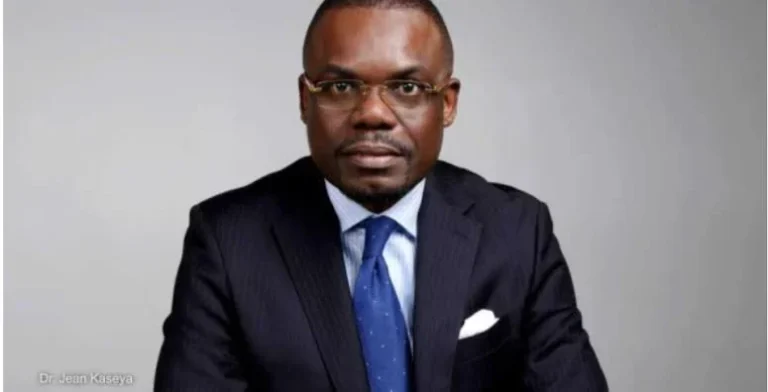
The Director-General of Africa CDC, Dr Jean Kaseya, made the appeal on Tuesday, October 20, 2026, following a phone call with Nigeria’s Coordinating Minister of Health and Social Welfare, Prof. Muhammad Pate, who informed him about the confirmed case in the Federal Capital Territory, The PUNCH reports.
Kaseya congratulated Pate on his quick sharing of news of the development, stressing that openness and early notification were key to preserving lives and improving response to the outbreak. Track Outbreaks /
The call came as Kenya announced its ninth case of Ebola on 20 October as the Democratic Republic of Congo continued to battle the outbreak that has expanded across several regions.
“Ebola in Nigeria: An Urgent Call for Global Solidarity,” Kaseya said in a statement that the epidemic announced by Africa CDC on May 15, 2026, had become a cross-border emergency demanding coordinated response by governments and international partners. TrackOutbreaks
“This Ebola Bundibugyo outbreak has already become the most geographically widespread Ebola outbreak in history, affecting multiple countries across three regions of Africa,” he said.
Kaseya said the situation in DRC was exceptionally bad, with the mortality rate surpassing 50 per cent. He said Africa CDC had started to mobilise help for Nigeria while stepping up its reaction in DRC and Kenya and keeping high alert in Uganda.
His appeal came after Nigeria confirmed an Ebola case in Abuja of a woman who just travelled from Uganda. Symptoms started on 7 October and the patient received treatment at a private hospital on 11 October. Laboratory tests confirmed the illness on 20 October. Study Life Sciences
Health authorities in Nigeria have identified 44 contacts and have started contact tracing while the patient is isolated and receiving medical care. The government has also stepped up surveillance and has called on health facilities to enhance infection prevention and control procedures.
As at October 20, Kenya had reported nine confirmed cases, including one fatality, according to the country’s health authorities. The cases have been linked to a Kenyan man, the index patient, who came from the DRC via Uganda to Nairobi and died on October 5.
The latest confirmed case was already in isolation when they tested positive, and Kenyan authorities say they have found no evidence of spread beyond the defined cluster.
The outbreak has piled pressure on regional health systems, especially as governments race to trace contacts, boost surveillance and halt future cross-border spread. TrackOutbreaks
The Nigeria Center for Disease Control and Prevention had earlier on October 6 announced an increased State of Readiness following confirmation of an imported Bundibugyo Ebola case in Kenya.
Among the ways the agency said it was stepping up preparedness include surveillance, laboratory diagnosis, isolation and referral systems, contact tracking, infection prevention and control and risk communication.
In this context, Kaseya called on the international community to offer urgent and flexible funds, medical supplies, diagnostic equipment, trained emergency responders and stronger community-based surveillance. TrackOutbreaks
“My message to the international community is: ACT NOW. We need rapid, flexible financing, medical supplies, diagnostics, qualified responders and enhanced community-based surveillance.” “We must not allow this outbreak to spread to more countries or to last for another year,” he warned.
The head of Africa CDC warned that any delay in mobilising resources could cost lives and called on international health agencies, development partners and governments to provide help to the afflicted countries.
He specifically called for joint action involving the World Health Organization, the World Bank, Gavi, the Coalition for Epidemic Preparedness Innovations, UNICEF, the African Union Commission, the Pandemic Fund, the European Commission, the United States Centers for Disease Control and Prevention, the United Kingdom’s Foreign, Commonwealth and Development Office, the African Development Bank and other development partners. Health Tips
Kaseya said the response should extend beyond management of the confirmed cases to include enhancing community surveillance, boosting access to diagnostic tests, providing adequate medical supplies and equipping frontline health workers to identify and manage suspected infections.
He emphasised the need to limit the outbreak in the afflicted African countries in the interest of global health security.
“Health security in Africa is global health security. Protecting the globe by stopping Ebola in Africa today. We stand in solidarity with Nigeria. Together we must overcome this outbreak,” he said. Study of Biology
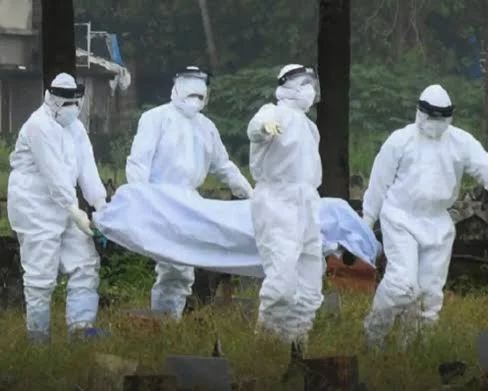
Bundibugyo virus is a strain of Ebola virus that can cause serious sickness and death. Ebola spreads largely by direct contact with the blood and other body fluids of infected people showing symptoms, or contaminated goods.
Signs include fever, weakness, headache, muscle pain, vomiting and diarrhoea. Early detection, isolation, contact tracing and strong infection prevention measures are critical to curb transmission.
While the current outbreak has impacted a number of nations, health authorities continue to stress that those identified as contacts are not necessarily infected and should follow public health advice rather than suffer stigma or prejudice.
With Nigeria now responding to a confirmed case, the Africa CDC call underscores the need for continued regional cooperation, timely information sharing and international financing to avoid further spread and increase the capacity of impacted countries to handle the outbreak.
About the Author