
Nigeria and Japan are trying to enhance economic relations with a plan to build a Nigeria-Japan Industrial and Investment Hub as both countries attempt to translate decades of diplomatic goodwill into investments, industrial growth, technology transfer and jobs.
The proposal was made at the 10th Nigeria-Japan Special Partnership Forum (NJSPF) that ended in Abuja on Thursday, August 27, 2026 with the two countries committing to pursue a more strategic, result-oriented and mutually beneficial relationship.
Nigeria offered the projected industrial and investment cluster as a means of boosting industrial collaboration, attracting Japanese investment and increasing access to the Nigerian and wider African markets.
It is part of wider talks on deepening the ties in renewable energy, vital minerals, infrastructure, agriculture, manufacturing, health care, digital technology, artificial intelligence and skills development.
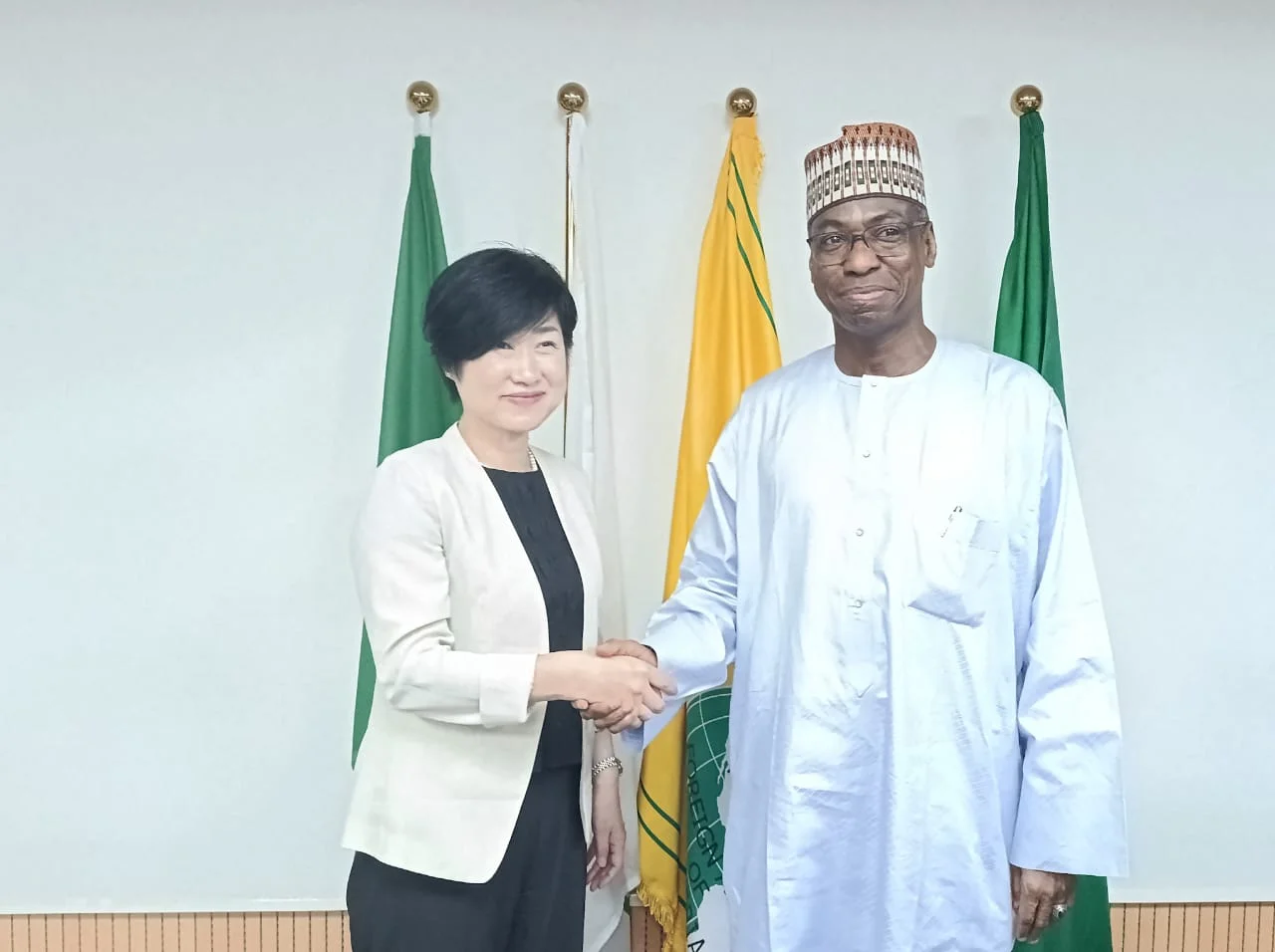
The 10th NJSPF was co-chaired by the Permanent Secretary, Ministry of Foreign Affairs, Nigeria, Ambassador Dunoma Umar Ahmed and Assistant Minister and Director-General, African Affairs Department, Ministry of Foreign Affairs, Japan, Ms. Misako Takahashi.
The NJSPF, which was established in 2001, provides a framework for regular meetings between Nigeria and Japan on bilateral and international issues and serves as a channel through which both nations can discover practical areas of cooperation.
At the last conference, Nigeria called for the need to go beyond established diplomatic relations to actual economic and developmental outcomes especially in the areas of investment, industrialisation, technology transfer, innovation, job creation and youth empowerment.
Japan, on its part, said it was interested in increasing its presence in Nigeria, especially in resilient energy and mineral supply chains, while Nigeria welcomed Japanese knowledge and investment in the crucial minerals value chain.
Talks on essential minerals might form a key part of the burgeoning economic partnership as Nigeria looks to lure investment into the exploration, processing and development of its mineral resources rather than relying exclusively on the sale of raw materials.
Both countries also saw room for more cooperation in renewable energy, infrastructure, agriculture, manufacturing and healthcare, as well as in emerging fields like digital technology and artificial intelligence.
The forum looked at current development cooperation through Japan International Cooperation Agency (JICA), including programs on renewable energy, primary healthcare, infrastructure, urban development and waste management.
However, Nigeria and Japan noted the administrative and implementation issues affecting some JICA-supported projects and agreed on the need to ensure that authorised programs are delivered effectively and achieve their intended development impact.
The talks also covered extensively youth development, with both countries emphasising the importance of investing in young people through technical and vocational education, scholarships, research, innovation, information and communication technology, artificial intelligence, sports, culture and the creative industries.
Nigeria and Japan also agreed to develop more people-to-people contacts and cooperation in the creative economy.
Both countries recognise the potential for areas selected for more cooperation, including film, music, animation, digital content and other developing creative sectors, to foster cultural understanding while generating jobs for young people.
The two countries also reviewed consular and migration problems including visa facilitation and efforts to ease economic, government, educational and people-to-people contacts while preserving acceptable immigration procedures.
Security and regional stability were also reviewed and the two sides exchanged views on violent extremism, events in West Africa and the Sahel and the role of the Economic Community of West African States (ECOWAS) in supporting peace and security.
Both Nigeria and Japan reiterated their commitment to multilateralism and further collaboration on reforms of the United Nations and international candidatures including their respective aspirations for seats on the United Nations Security Council.
The countries also stressed the need to increase cooperation in combating illicit drug trafficking and other transnational crimes.
With the 10th NJSPF likely to mark the end of a new phase in Nigeria-Japan relations, both parties stressed the need to translate agreements into actual measures, assign clear tasks and set quantifiable goals.
For Nigeria, the proposed industrial and investment hub could create a new framework for attracting Japanese capital, knowledge and technology, and link Japanese enterprises to prospects in Nigeria and the wider African market.
The event also points to Abuja’s desire to make its long-standing relationship with Tokyo more economically motivated, especially in sectors that may create jobs, promote local businesses and support Nigeria’s transformation to a technology-led economy.
Nigeria has thanked the Government and people of Japan for their long-standing support to the country’s socio-economic development and reaffirmed its readiness to cooperate with Tokyo to expand bilateral cooperation and advance common interests.
The revitalised alliance would contribute to peace, stability, prosperity and sustainable development in Africa and beyond, not merely for bilateral economic growth, the two countries said.
About the Author