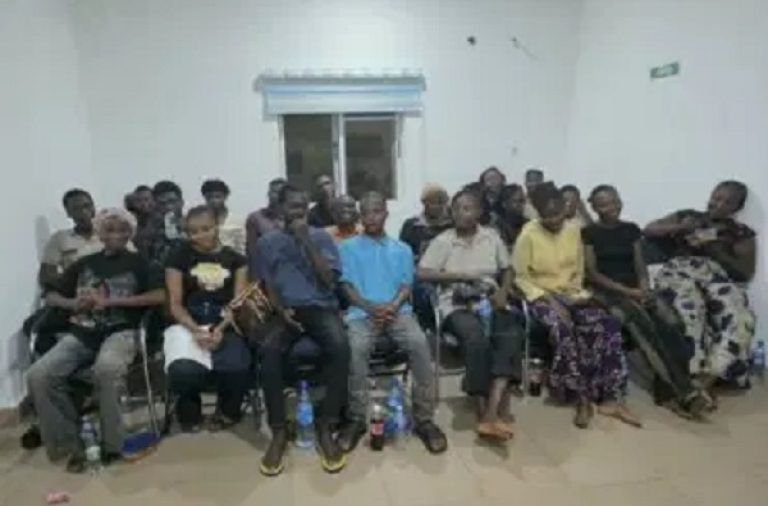

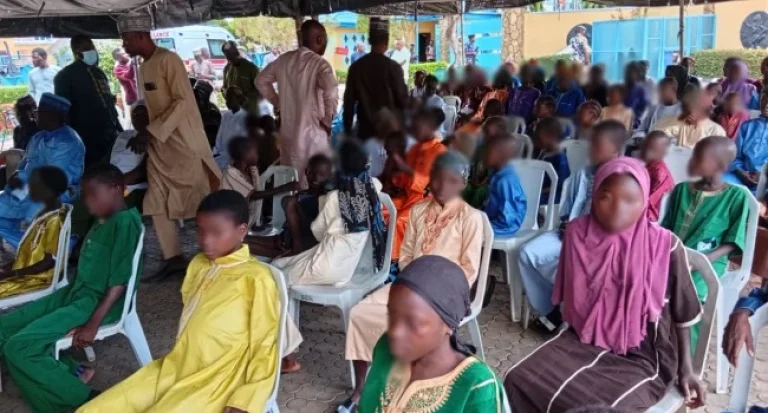
The rescued victims of the February 3 terrorist attack on Woro and Nuku towns in Kaiama Local Government Area of Kwara State have revealed that at least 13 hostages died during the near six months in captivity, while 12 children are still being held by terrorists.Time & Calendar
Saturday PUNCH reports that the victims told our correspondent in Ilorin yesterday after they were formally accepted by the Kwara State Government that they ate one meal a day and slept in the open forest.
The victims were among 176 women and children kidnaped in coordinated attacks on Woro and nearby Nuku settlements by suspected Boko Haram insurgents.
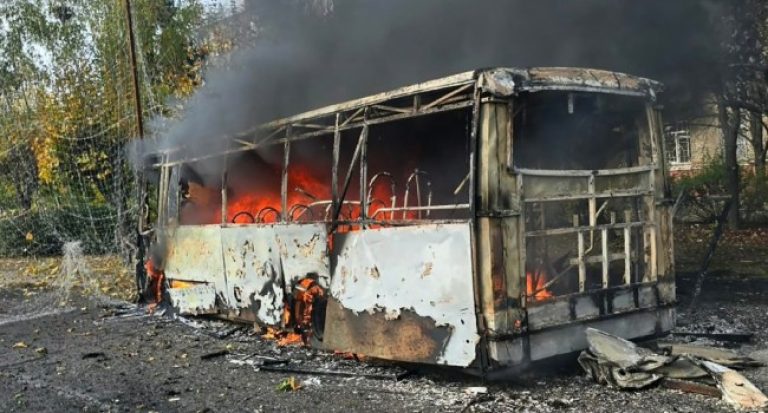
Hundreds of gunmen on motorbikes have stormed the settlements after people rejected the group’s radical ideology, residents said.The invaders slaughtered scores of locals and destroyed homes, shops and the palace of the traditional king.
The abductees, however, were released on Wednesday.
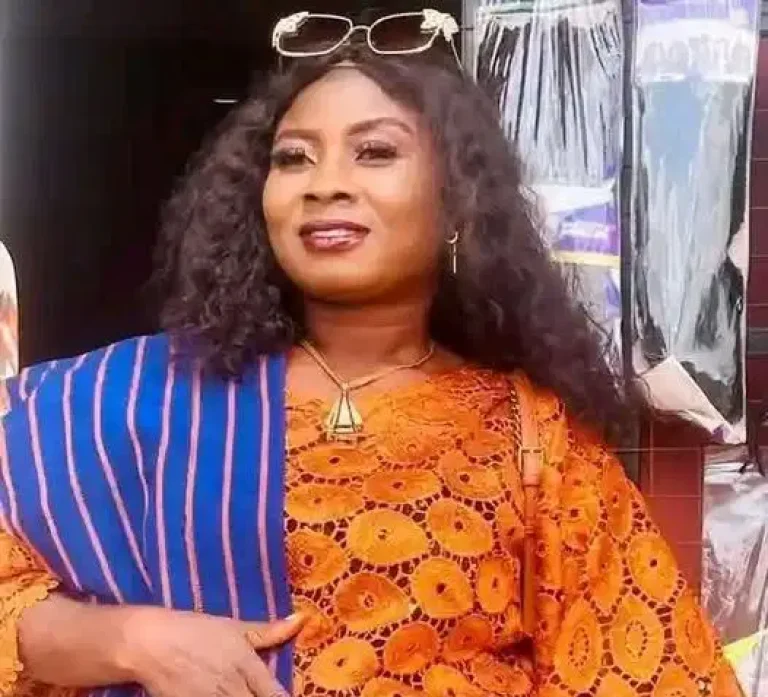
One of the survivors, Nafisat Abdulfatai, told her story: “There were several children still in the forest because the abductors told them they were going to become slaves if they attempted to leave.
She said: “During our captivity we lost thirteen people among us. There are still twelve youngsters with the terrorists.” They were not released along with us because the kidnappers threatened that anybody would try to flee would be a slave.
The youngsters would stay behind, out of dread. Two of them were expressly made to stay because the terrorists say they were old enough. Those youngsters were made to stay in truth. We pray God would bring them back safe as well.’”
Captives were not routinely beaten or physically abused, but Abdulfatai said they faced extreme starvation and deprivation throughout their time in the forest.
We were not allowed to eat what we wanted. Most days we had one meal. Our meals were cooked with only salt – no oil or any other additives. We mostly lived on ‘luru’ soup. “A lot of us ended up eating things we never thot we’d eat in our lifetime.”
“There were days when we had no food from morning till nite. Sometimes the only meal we had was at 7 p.m. or 8 p.m. “The suffering was unimaginable,” she said.
ABDULFATAI nevertheless remembered a short period when the kidnappers slaughtered cattle for the hostages.
“After we had been in the forest about a month, they slaughtered two cows every day for five days, making 10 cows.
They also killed two more cows before they released us. On two separate occasions they handed each of us two yards of cloth but it did not relieve our suffering.”
The hostages spent months sleeping in the open forest until they were relocated into a makeshift shelter after several youngsters died, Abdulfatai added, describing the living circumstances.
‘We slept inside the thick bush,’ she told me. The first rain came down while we were in the open, and stopped while we were still in the open. Some children had died, but they just built a makeshift shelter using trampoline material.
“There were too many of us. We were 176 people who were stolen from Woro and about 76 other hostages from another hamlet were brought later to join us.
We slept like animals under that makeshift shelter. When it rained there was no room and some individuals had to sleep on top of each other. When it didn’t rain we liked sleeping under the trees by the river. That’s where we sleep, get up every morning and spend our days.”
The survivor also stated that several pregnant women delivered in captivity, but not all babies survived.
“We had pregnant women and lactating mothers in our midst,” she claimed. Some mothers gave birth in prison but lost their children. Some six or seven ladies had that catastrophe. Others came back with their baby.
“Some of the victims rescued are very unwell and are already receiving treatment. “Everyone is affected but some are in much worse shape.”
Abdulfatai thanked those who saved her and said she had nearly lost hope of ever seeing her family again.
She said: “Alhamdulillah. I never thot I would see my parents, my spouse and my children ever again. Many of the youngsters have been orphaned by what transpired.
Thank God I’m alive and my husband is alive. I am extremely thankful for our families. I know they were suffering significantly more emotionally while we were in captivity.
I thank God, and I genuinely appreciate Governor AbdulRahman AbdulRazaq for all he has done for us. May Allah reward him abundantly.”State
Another rescued victim, Nafisat Yusuf, also shared the agony they went thru during the months spent in the terrorists’ camp.
“We suffered beyond words,” she claimed. The terrorists put us to horrible hardships, While we were there many children perished. The pain was beyond description.
“We praise Almighty God for getting us out alive. We thank the governor for making our rescue possible. Every day we prayed that God would rescue us from this location, and today He has answered our prayers.”
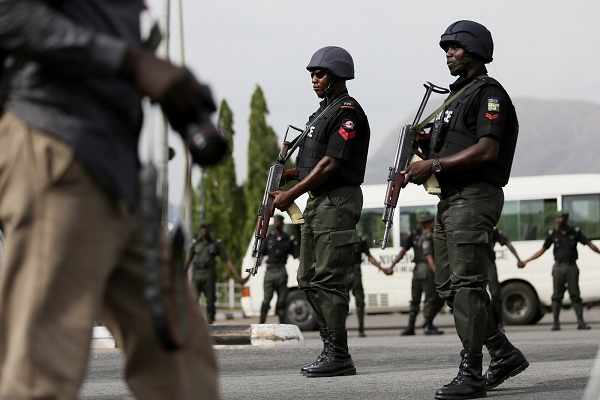
Speaking on the rescue effort, Yusuf said the victims were taken away by security personnel whose identities they did not know.
“It was the soldiers who came to get us out of the forest, but we do not know the names of those who saved us,” she stated. We are just glad they showed up.”
She remembered the day of the abduction and stated the attack was so quick that she knew nothing of what happened in the hamlet after they were carried away.
“They came for us on the 3rd of February. All I know is they came into the village and took us hostage. I did not see what transpired in the village after we were taken.”Time and Calendars
She claimed that the captors sometimes gave food but life in captivity was still miserable.
“Sometimes they would give us food and a few basic things but the suffering we went thru is beyond description. Some of us cried every day and many others were unwell for the duration of our stay. “We just thank God that we finally have the freedom back.”
About the Author