
Scientists have called for international regulation of space debris to be strengthened after a piece of a SpaceX Falcon 9 rocket that was abandoned is suspected to have hit the Moon. The incident highlights the growing issue of derelict spacecraft and rocket fragments in space beyond Earth.
The object, a four-tonne Falcon 9 upper-stage rocket booster roughly the size of a school bus, is thought to have slammed into the Moon at a speed of around 8,690 km/h (5,400 mph). The rocket stage had been wandering across cislunar orbit since it finished its job in January 2025, launching Firefly Aerospace’s Blue Ghost lunar lander and Japan’s ispace Resilience mission. Due to its trajectory, it could not re-enter the Earth’s atmosphere, but it was finally pulled into a collision course with the Moon by gravity and solar forces.
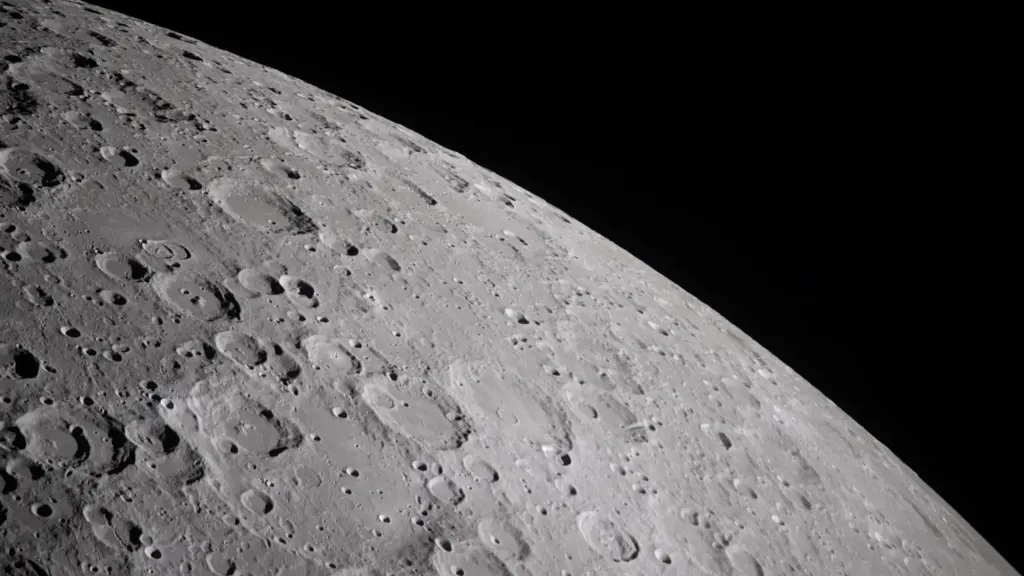
Scientists think the impact happened at Einstein Crater, along the dividing line between the near and far sides of the Moon. No direct visual confirmation of this was possible as the spot is close to the lunar limb and was not visible immediately from Earth at the moment of impact. Scientists said photos from NASA’s Lunar Reconnaissance Orbiter and South Korea’s Danuri lunar satellite are expected to help verify the impact and calculate the extent of the freshly formed crater in the coming days.
While the collision does not threaten Earth or its inhabitants, astronomers say it points out a mounting environmental problem in space. There are now thousands of dormant satellites, spent rocket stages and parts of earlier flights orbiting the Earth, and the number of trips to the Moon is increasing the amount of junk in cislunar space. Experts worry that without explicit international norms on disposal and tracking, future missions could be riskier.
Scientists say the unintentional impact also could provide a rare scientific opportunity. Studying the crater and the cloud of dust and rock kicked up by the collision, experts expect to learn more about lunar geology, impact physics and how debris behaves on the moon’s surface. The incident may also aid improve tactics for finding potential impacts and help preparations for NASA’s Artemis mission, which seeks to send astronauts back to the Moon and establish a long-term human presence there later this decade.
Space agencies and industry experts are increasingly calling for better strategies for managing debris, including designing missions that safely dispose of rocket stages after launch, avoiding leaving spacecraft in unstable orbits, and improving international cooperation on space traffic management. Government organisations and private companies are moving quickly to explore the Moon, and they say that without steps to avoid it, the danger of unintentional impacts and collisions will only grow.
The collision is the latest in a string of lunar impacts by defunct spacecraft, including a Chinese rocket stage that hit the Moon in 2022 and several intentional NASA hits conducted during earlier science missions. But researchers say the increased number of accidental collisions is symptomatic of the tremendous growth in commercial and government space activity, and that sustainable management of space debris is an increasingly pressing worldwide issue.
About the Author