
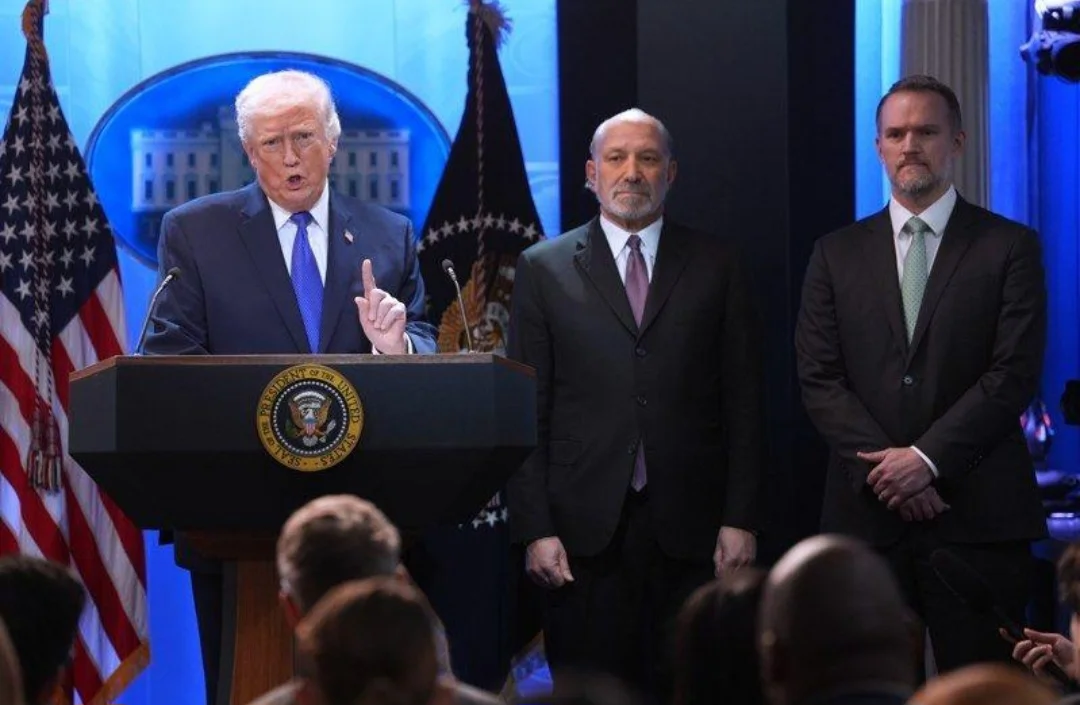
Scotland’s whisky industry has been handed a major reprieve after the United States exempted Scotch whisky from a new wave of import tariffs, imposed by President Donald Trump’s administration on goods from dozens of trading partners in one of the largest trade policy moves since he returned to office.
The decision ensures Scotch whisky will continue to flow into the U.S. market without the extra import duty many producers feared. The exemption comes after Washington imposed tariffs of between 10% and 12.5% on a wide range of imports from over 60 countries, citing worries about forced labour abuses in global supply chains.
The US is also the largest export market for Scotch whisky by value, making the exemption extremely important for Scotland’s distillers. Industry officials warned that more taxes might have resulted in higher retail costs for American consumers, diminished exports and put jobs at risk in Scotland’s whisky-producing regions.
The ruling is the latest after years of uncertainty for the industry. Scotch whisky exports faced a 25% tariff during Trump’s first term in office, a result of a long-running dispute concerning subsidies paid out to aircraft manufacturers Airbus and Boeing. The duties were halted in 2021 after the United States and European Union agreed to freeze the trade battle.
Industry representatives welcomed the latest exemption but warned that ongoing wider global trade tensions continue to cause uncertainty for exporters. They claimed tariff-free access to the US market is crucial to the long-term growth of Scotland’s whisky business.
The new restrictions exempted Scotch whisky, but the wider package of tariffs will hit imports from nations including China, Japan, South Korea, Taiwan, Switzerland and portions of the European Union. The Trump administration claims the tariffs are designed to spur tougher action against forced labour in foreign supply chains and defend American industries from unfair competition.
also see Texas oil well explodes, huge fire erupts, evacuations ordered, no injuries reported
The tariffs were imposed following investigations under Section 301 of the U.S. Trade Act, which contended a number of trading partners had not established effective limitations on items produced with forced labour, the U.S. Trade Representative’s Office said in statements. Some important products have been excluded to prevent interruption to critical supply lines, including energy supplies, medications, aviation components and some food items.
The additional tariffs have been criticised by some of the impacted states, who say the measures could break international trade regulations and lead to higher costs for businesses and consumers. Some countries could possibly resort to retaliatory tariffs if talks fail to settle the conflict, trade analysts also warn.
For Scotland’s whisky business the immediate worry is to keep the momentum going in its most significant international market. Producers believe continuing duty-free access will assist sustain exports, encourage investment and safeguard thousands of jobs related to one of the UK’s most iconic export businesses.
Although the exemption has been broadly welcomed, experts say the wider escalation of global trade tensions could still have a knock-on effect on the whisky sector through weaker global economic development, greater shipping costs and increasing uncertainty in foreign markets.
About the Author