
The United States has placed a new round of tariffs on imports from 60 trading partners, including the European Union, China, Japan, South Korea, Taiwan and Switzerland, in a move the Trump administration claims is intended at addressing forced labour in global supply chains. The new measures, which replace a temporary global tax that expired this week, are among the administration’s most important trade steps since it took office.
The tariffs, between 10% and 12.5%, were levied under Section 301 of the Trade Act of 1974 following a long inquiry by the Office of the U.S. Trade Representative (USTR). The administration says many trading partners have not done enough to restrict or enforce bans on imports made with forced labour, creating unfair competition for U.S. businesses and workers.
The USTR said the 10% duty reduction would apply to nations that already have comprehensive forced labour import restrictions in place, or have agreed to do so via trade agreements. These include Canada, Mexico, the United Kingdom, India, Malaysia, Pakistan, Bangladesh, Indonesia and many more. Most of the rest of the economies, including China, will be subject to the higher 12.5% rate. Some jurisdictions, like the European Union, will have product-specific tariffs based on the items involved.
The duties will apply to about 99% of U.S. imports, the White House said, but a wide range of goods – including oil, natural gas, fertilisers, certain food products, aircraft components and critical minerals – have been exempted to minimise disruptions to key supply chains and essential industries.
U.S. Trade Representative Jamieson Greer said the measure was designed to improve global labour standards while protecting American workers. The United States has long banned imports created using forced labour, but many of its trading partners have not adopted similar enforcement measures, he said.
Governments around the world have been swift to condemn the announcement. Officials in China, Brazil and several other impacted countries dismissed the U.S. reasoning, saying the penalties are politically driven and inconsistent with international trade standards. European officials also questioned the legal basis for the penalties, although several said existing trade accords with Washington had cushioned the impact on some goods.
Trade experts say the latest measures are also designed to pass legal muster after the U.S. Supreme Court earlier this year struck down a previous round of broad “reciprocal tariffs” imposed under emergency powers. The administration expects the new tariffs will be more resistant to future court challenges, based on Section 301, which calls for formal investigations and public consultations.
Economists disagree on what the effect will be. Supporters say the tariffs might help promote better employment safeguards and lessen dependency on supply chains tied to forced labour. But critics say importers would likely pass the costs on to consumers, which may mean increased pricing for businesses and homes and retaliation from countries hit by the tariffs.
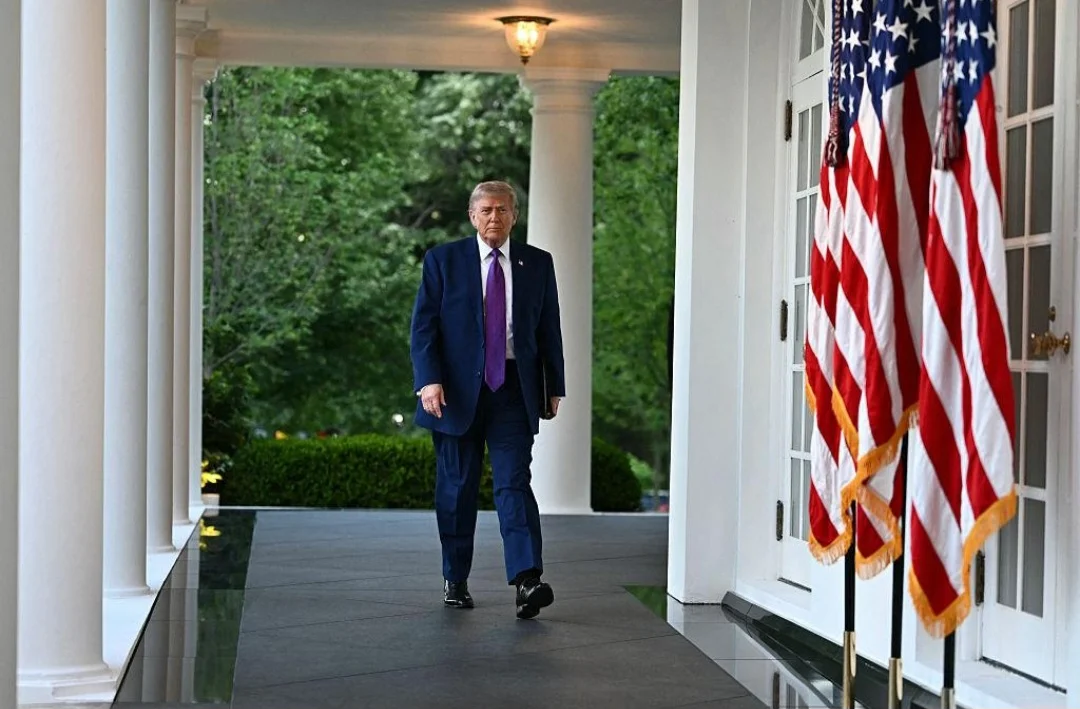
The latest declaration is an indication that trade policy remains a cornerstone of President Donald Trump’s economic strategy. Analysts say further duties could be imposed in the coming months as probes into other industries such as medicines and industrial overcapacity are already underway, raising the potential of increased global trade conflicts.
About the Author