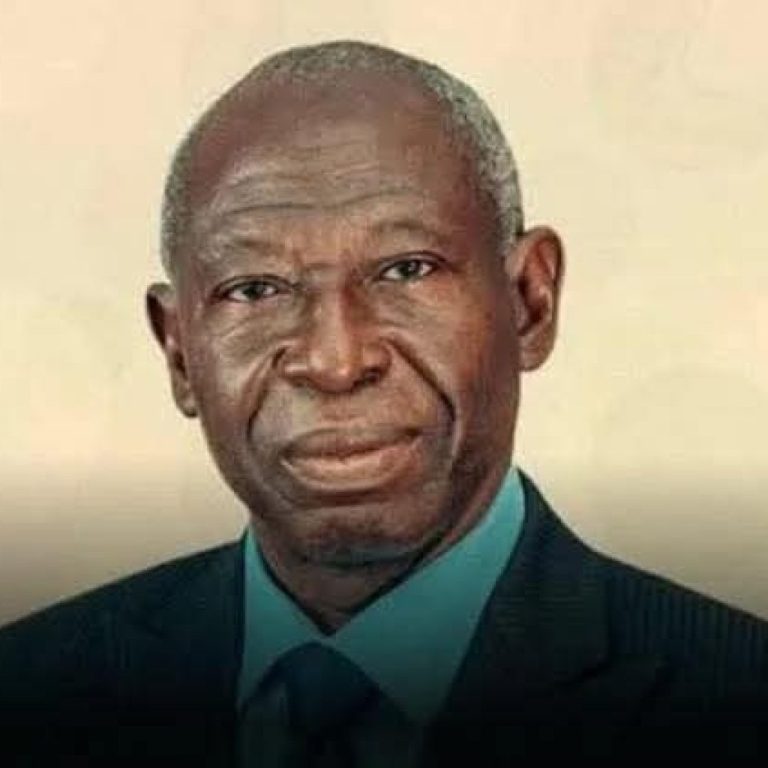

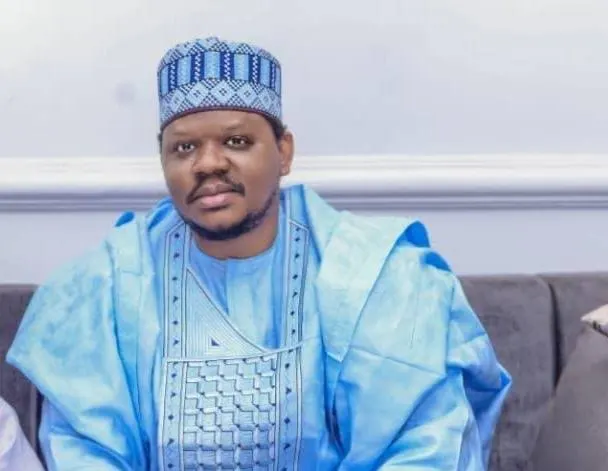
Adamu Garba, a former presidential candidate and politician, has caused a sensation by posting a series of messages on social media that many people think show sympathy for Iran as tensions rise between the Islamic Republic and the United States-Israel alliance.
Garba, who has run for president of Nigeria in the past and is still active in political commentary online, reposted and commented on messages that said Iran was standing up to Western pressure and protecting Muslim interests in world affairs.
A lot of the tweets on his timeline describe the Middle East issue as a fight between Muslim countries and Western-backed powers. This story has acquired popularity among some analysts and activists in northern Nigeria.
People on the internet have had different reactions to his posts. Critics said the former congressman was spreading geopolitical misinformation and stirring up religious feelings. Supporters said he was showing support for a country that many Muslims see as fighting up to Western influence.
Garba hasn’t said much more than what’s in the tweets.
Analysts argue that the way people reacted to his posts is part of a larger trend in some parts of northern Nigeria, where some Muslim communities have become more sympathetic to Iran.
The feeling comes from religious unity, long-standing criticism of Western foreign policy in the Middle East, and the fact that Iran’s 1979 Islamic Revolution had an impact on several ideological movements in the region.
But some who watch say that the increased spread of pro-Iran stories by well-known people could have bigger effects on Nigeria.
Experts in security argue that openly aligning with foreign geopolitical blocs based on religious identity might make sectarian divisions worse, especially between Sunni and Shia populations. This is happening at a time when Nigeria is already dealing with insurgency and religious tensions in areas of the north.
There are also worries that the rise of Middle Eastern geopolitical narratives in Nigerian politics could make it harder for the country to be friendly with both its Western allies and its Middle Eastern neighbors.
Political analysts also say that bringing global ideological issues into Nigeria’s already complicated religious and geographical terrain will make the north even more politically divided and even give extremist ideas more power.
Analysts suggest that the quick transmission of geopolitical messages through social media is changing how people think about international conflicts in northern Nigeria, even though many Muslims there don’t necessarily support Iran politically.
People who watch say that the issue over Garba’s posts shows how global rivalries are starting to show up in Nigeria’s own conversations. Some experts think that this could be a long-term problem for national unity if it isn’t dealt with.
About the Author