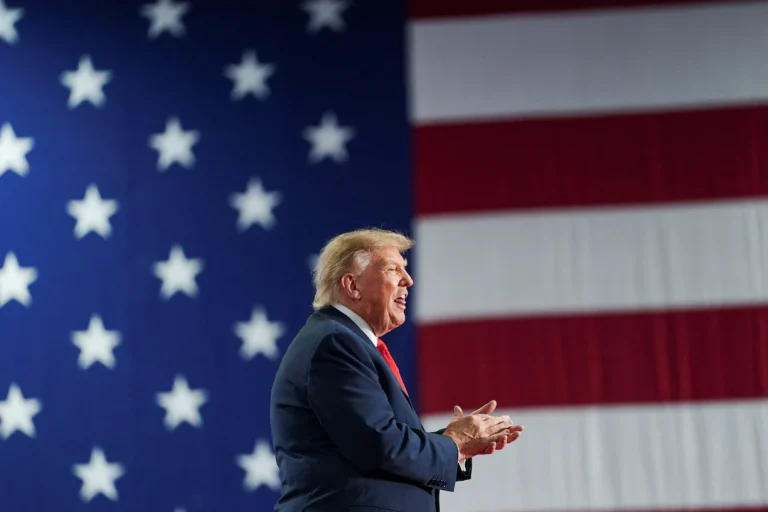

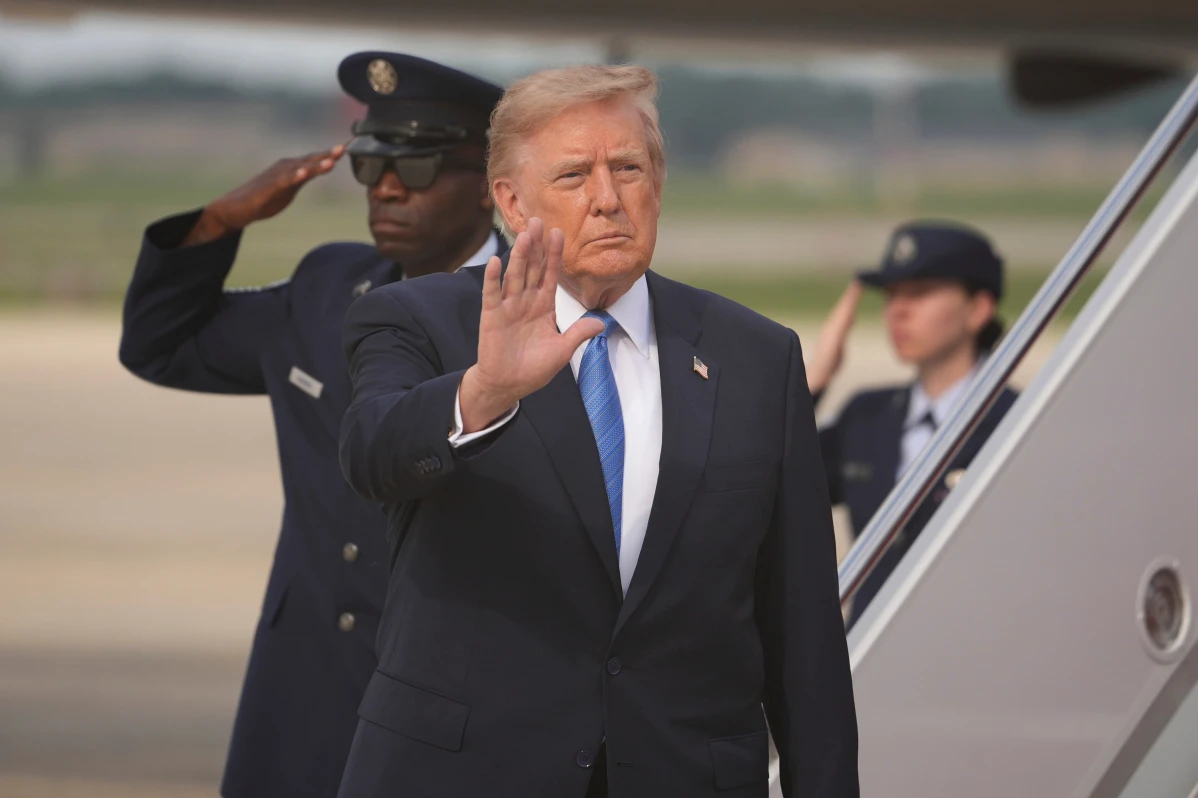
U.S. President Donald Trump unveiled what he called the “biggest oil deal in world history” stating the United States had struck a deal with Venezuela to gain majority ownership of more than 65 billion barrels of known Venezuelan oil reserves.
The deal was negotiated by US Secretary of State Marco Rubio and Defence Secretary Pete Hegseth, in conjunction with Venezuela’s interim President Delcy Rodríguez and private-sector partners, Trump said in a Truth Social post on Friday.
The deal will give the United States majority ownership of the reserves, costing American taxpayers nothing, Trump said. He also said the deal will more than treble US oil reserves, increase crude supplies and ultimately mean much cheaper petrol prices for American consumers.
The agreement reportedly entails the development of 17 important Venezuelan oil fields and roughly $100 billion of private investment to improve the country’s energy industry. Venezuelan officials have stated the deal may generate up to $209 billion in tax income for the Venezuelan state.
But significant terms of the deal remain unclear. The US administration has not identified all the private entities involved, the exact nature of the ownership structure or how control over oil reserves will be exerted.
The deal would give the United States a large stake in nearly one-fifth of Venezuela’s massive oil reserves, with U.S. corporations anticipated to play a central role in rehabilitating the country’s faltering petroleum industry, Reuters said.
Venezuela is home to the world’s largest known oil reserves, with an estimated 303 billion barrels of proven crude oil reserves. But years of underinvestment, sanctions, political instability and decaying infrastructure have sharply curtailed the country’s ability to convert those reserves into output.
The transaction comes as the Trump administration faces heat over high US fuel costs and the draining of strategic petroleum reserves. The government has been trying to revive Venezuela’s oil production and has been urging U.S. energy corporations to return to the South American country.
US Secretary of State Marco Rubio has stated the deal may bring in about $100bn in private investment, generate employment and help Venezuela’s economic rebuilding.
But analysts and critics have raised questions about the legal and practical obstacles, especially given Venezuela’s battered oil infrastructure and the country’s history of state ownership of its petroleum industry. “It’s going to take time to get back to production capacity even with a lot of investment.
So the announcement is not just an energy deal, but possibly a big move in the balance of authority over Venezuela’s oil industry and the broader energy relationship between Washington and Caracas.
About the Author