
Nigeria’s crude oil output dipped four per cent month-on-month in July but the country continued to surpass its Organization of the Petroleum Exporting Countries (OPEC) limit, new figures from the Nigerian Upstream Petroleum Regulatory Commission (NUPRC) have showed.
The fall happened after operational issues at the Erha and Akpo fields limited output. Vessel traffic thru the strategically crucial Strait of Hormuz also dropped to its lowest in a week on heightened geopolitical tensions in the Middle East, according to The Guardian.
Data from NUPRC showed that the country produced 1.505 million barrels per day (mbpd) of crude oil in July, while condensate production was 0.17mbpd, bringing total daily production to 1.67mbpd.
Crude and condensate output reached a high of 1.78mbpd throughout the month with the lowest daily production being 1.57mbpd.
Crude production was still above Nigeria’s 1.5mbpd OPEC quota for the third month running, but the four percent monthly drop shows how fragile the country’s production recovery is, especially as operators continue to wrestle with operational difficulties at the field level.
Disruptions at the Erha and Akpo fields had a considerable effect on national output throughout the period, the upstream regulator said.
NUPRC stated, “These disruptions led to a reduction in the production volumes and contributed significantly to the total decline in the national crude oil production.”
Production at most other assets was reasonably constant, with operators taking steps to maintain high efficiency and minimise the influence of the operational issues, it said.
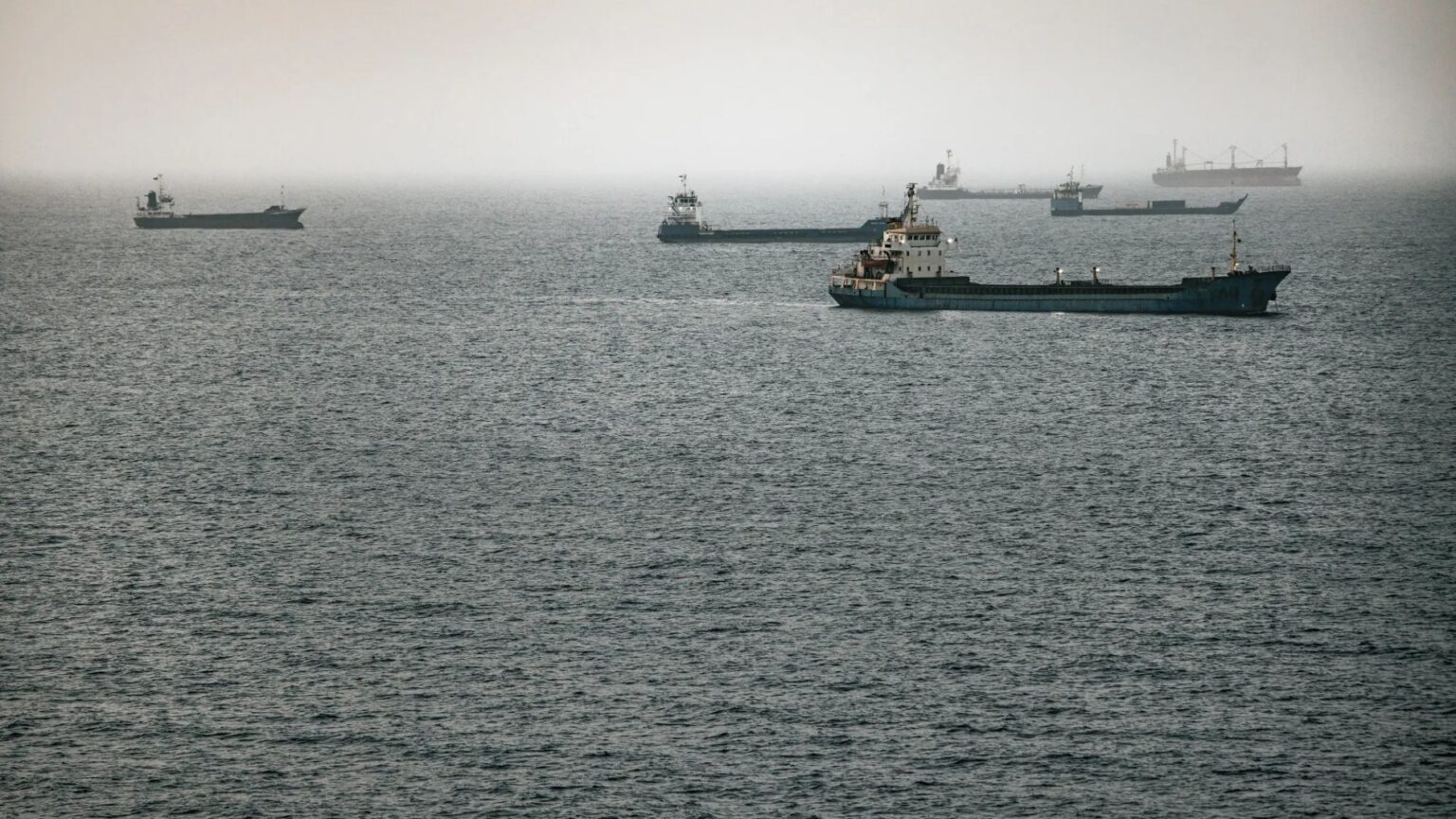
The development comes as uncertainty increases in the global oil market, with traffic thru the Strait of Hormuz reducing drastically as owners of vessels increasingly avoid the vital chokepoint in the Middle East.
Data from Kpler reported by Reuters showed only eight vessels passed thru the Strait in each direction on Tuesday, the lowest daily traffic since Aug. 5 and below the latest 10-day average of 12 vessels.
It is a waterway used to pump almost 20 million barrels of oil a day, meaning the disruption is very impactful for global energy markets.
Traffic has dropped amid heightened security threats and uncertainty over discussions between the United States and Iran to reopen the Strait.
Iran has said the passage will stay blocked until the U.S. stops the conflict and agrees to Tehran’s demands, but U.S. President Donald Trump said Washington has “total control” of the Strait.
About the Author