

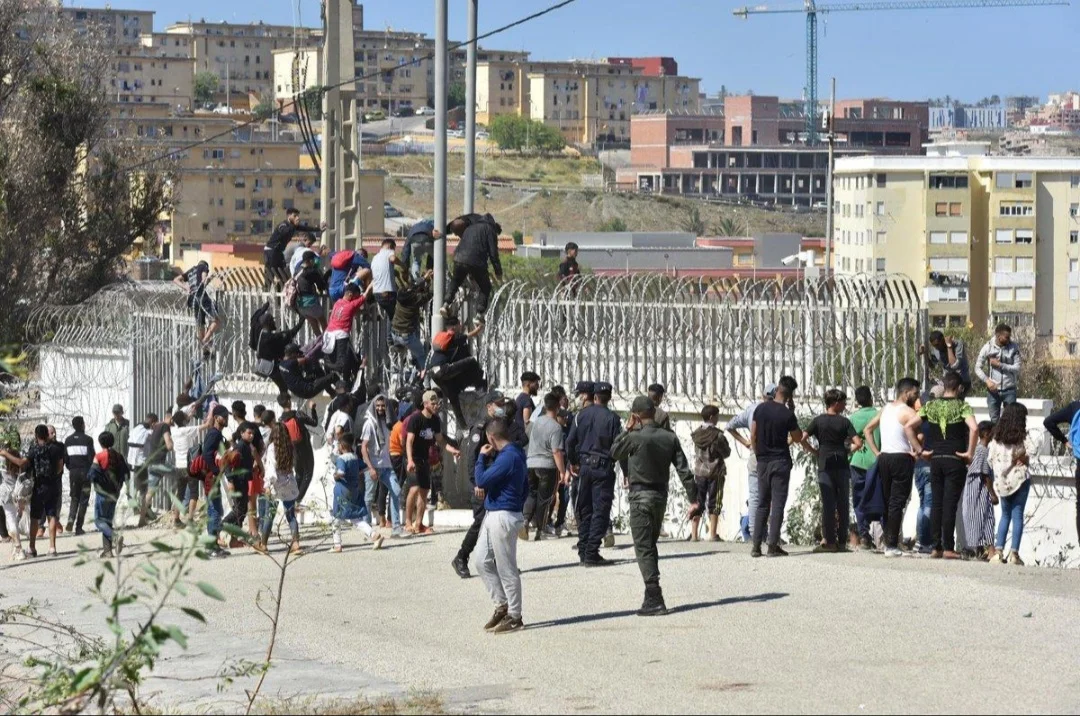
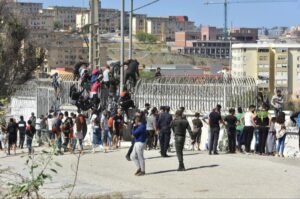
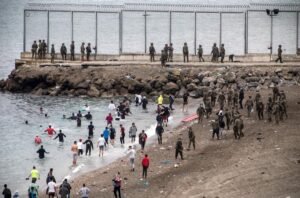
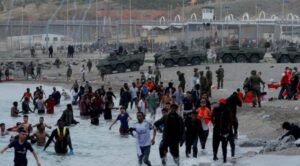
Spanish authorities say the unprecedented wave of migrants who crossed into the Spanish North African enclave of Ceuta has begun to reverse, with around half of the estimated 50,000 people who entered the territory voluntarily returning to neighboring Morocco after finding themselves stranded without adequate food, shelter or services. The development comes after one of the largest and deadliest migration incidents ever recorded at the Spain–Morocco border.
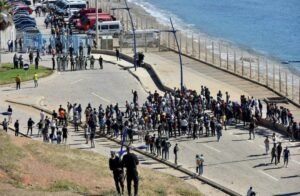
The crisis turned deadly as migrants attempted dangerous sea crossings or became caught in violent confrontations near the border.
Spanish and Moroccan officials reported that at least 34 people died during the rush into Ceuta, while other reports placed the death toll even higher. Many victims are believed to have drowned while trying to swim around border barriers, while others were reportedly killed in crowd crushes or clashes with security forces. Burned police vehicles and damaged border infrastructure underscored the scale of the unrest.
Spanish Prime Minister Pedro Sánchez travelled to Ceuta after the crisis, describing the mass crossing as a serious breach of Spain’s sovereignty. He said Madrid was working closely with Moroccan authorities to restore order, accelerate the voluntary return and repatriation of migrants, and prevent further large-scale crossings.

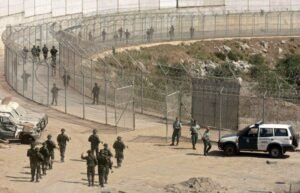
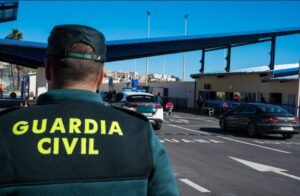
Moroccan security forces reinforced the border using batons, tear gas and additional personnel to prevent new crossings, while Spanish police and the Guardia Civil increased patrols along the enclave’s coastline and border fence. Officials said cooperation between the two countries had significantly reduced new arrivals by Friday.
Many reported sleeping outdoors without food, water or sanitation facilities. Others said they had expected to continue onward into mainland Europe but quickly realized movement was heavily restricted within the enclave. The deteriorating humanitarian conditions prompted thousands to head back across the border into Morocco.
The crisis has reignited fierce debate over migration policy across the European Union.
Several European leaders criticized Spain’s immigration policies, while France announced tighter border checks and Italy warned that uncontrolled migration could have consequences for the Schengen free-travel area. The incident has also intensified calls for stronger external border protection and closer cooperation with North African countries to curb irregular migration.
Spanish authorities also accused human trafficking networks of spreading false information that encouraged thousands of migrants to believe they could easily enter Europe through Ceuta following recent legal developments concerning migrant returns.
Despite the decline in arrivals, officials say the situation remains fragile. Thousands of migrants; including many unaccompanied minors, remain in Ceuta awaiting processing, while aid organizations continue providing emergency food, medical care and temporary shelter.
Authorities in both Spain and Morocco have pledged to investigate the circumstances surrounding the deaths and strengthen cooperation to prevent another mass migration event.
About the Author