
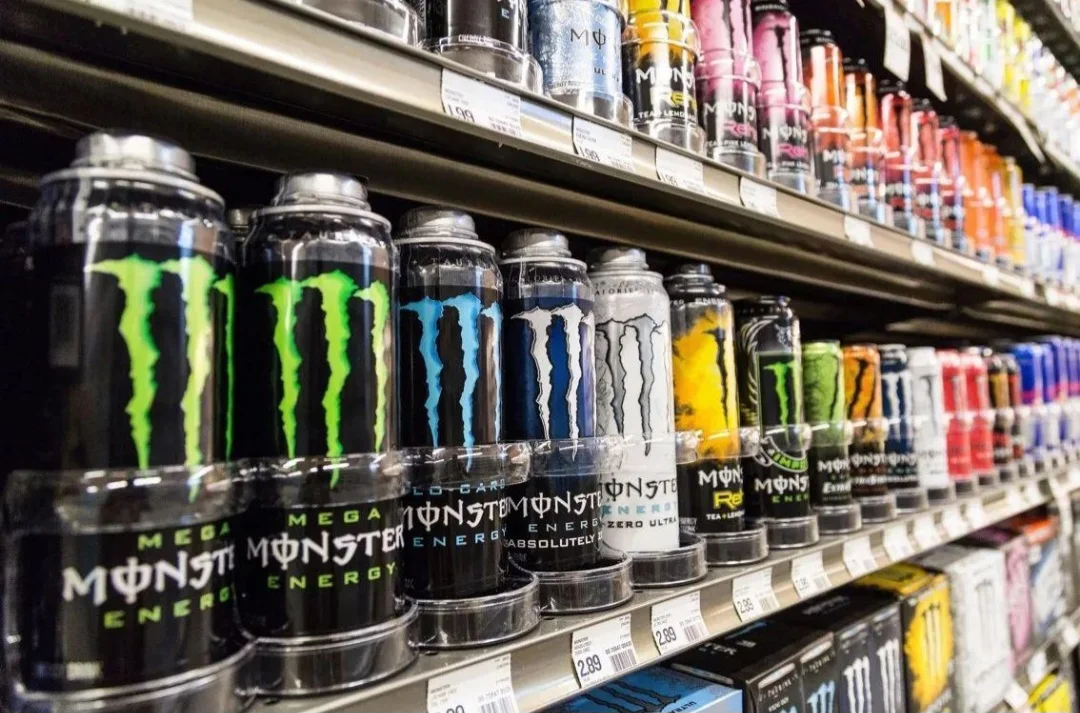
India has ignored calls from some of the world’s largest beverage corporations, including PepsiCo, Red Bull, Monster Beverage, Reliance Consumer Products and Hell Energy, to crack down broadly on marketing of high-caffeine drinks known as “energy drinks.” It is one of the biggest regulatory interventions in the country’s fast-growing energy drinks business, which is expected to be valued US$1.6 billion by 2028.
India’s food regulator, the Food Safety and Standards Authority of India (FSSAI), has prohibited producers from using the word “energy drink” or any other comparable description on product labels. India does not have an official standard for food products in the energy drinks category, the regulator said, and commercial claims that the drinks “vitalise body and mind” or “aid in general weakness” are misleading per existing food safety rules.
The directive has been criticised by beverage makers, many of which have based their brands on claims of quick energy and better performance. FSSAI Chief Executive Rajit Punhani allegedly dismissed complaints that the move would hurt businesses, telling them that they were welcome to fight the decision in court if they disagreed, at a closed-door meeting with senior industry executives. Firms have been given 90 days to comply with the new labelling standards, government sources said.
“Removing the ‘energy drink’ designation could confuse consumers, dilute established brands and disrupt sales,” industry officials say. In a letter issued to the regulator earlier this month, the Indian Beverage Association urged it to be more participatory, saying sudden changes could damage reputations of companies and lead to unneeded litigation. The association said it is committed to following regulations and pursuing science-based policymaking.
The move comes amid mounting health concerns over drinks heavy in caffeine, sugar and taurine. In numerous countries, regulators have increased their oversight of these products, including restricting sales to minors and requiring more stringent labelling. Indian authorities said the current moves are not to outlaw the beverages themselves, but to safeguard customers from possibly deceptive health claims.
The crackdown is already affecting the marketplace. Authorities in Rajasthan have seized thousands of cans and bottles of goods like Sting, Red Bull and Campa Energy as part of enforcement activities. State officials have also asked major e-commerce platforms like Amazon, Flipkart, Blinkit and Swiggy Instamart to refrain from using the term “energy drink” to market items.
India’s energy drink market has grown significantly since PepsiCo released Sting in 2017, with low prices helping to spur strong demand among youths, young adults and rural customers. Retail sales are likely to continue to expand at more than 12% each year, faster than in the United States and China, according to market data published by Reuters.
The sector has reacted with dismay, but observers say the government’s position indicates a harder line on food and beverage marketing claims. Consumers throughout India might soon find familiar brands on shop shelves in new packaging that no longer advertises them as “energy drinks” unless the businesses succeed in a legal challenge to the decision.
About the Author