

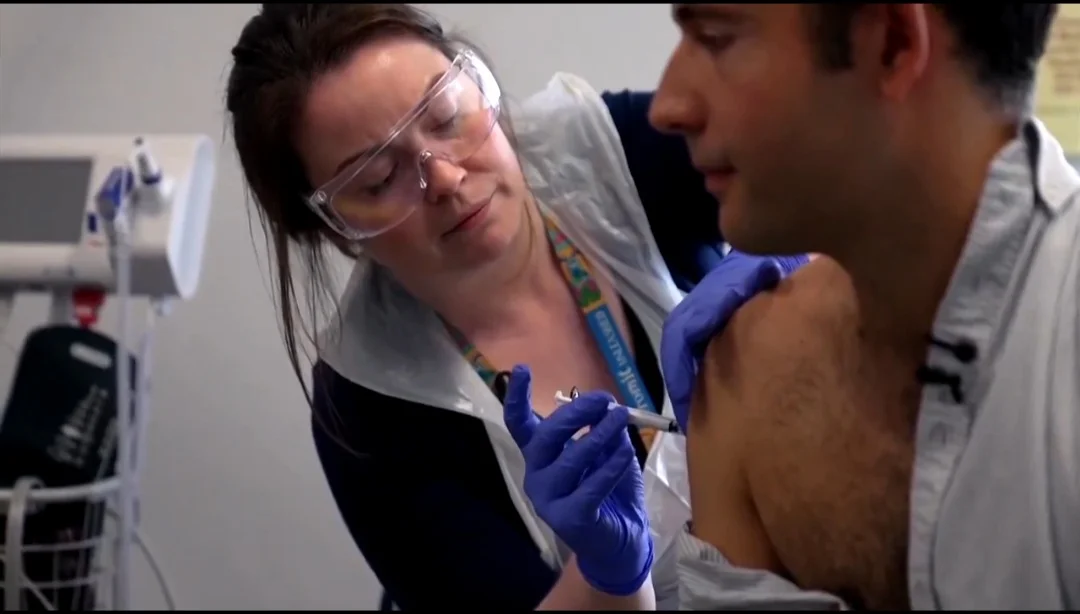
An experimental vaccine meant to defend against the Bundibugyo type of Ebola virus has been given to a volunteer in England, a major step forward in the global fight against one of the world’s deadliest infectious illnesses. The Phase I clinical study will establish if the vaccine is safe and if it can generate a strong immune response to a virus for which there is currently no licensed vaccine or particular therapy. The trial is being run by researchers at the University of Oxford, in conjunction with worldwide health agencies.
The experimental vaccination is directed at the Bundibugyo ebolavirus, one of six recognised species of Ebola virus. The Bundibugyo strain is less prevalent than the Zaire strain, for which there is a vaccine, and it has been behind multiple deadly outbreaks in Africa since it was first identified in Uganda in 2007. Developing a vaccine against this strain is crucial since current Ebola vaccinations do not reliably protect against Bundibugyo infections, say health experts.
Researchers stated the research will first enrol healthy adult volunteers in the United Kingdom to determine the safety profile of the vaccination before advancing to larger investigations. Scientists will follow the subjects for several months to monitor for immunological responses and negative effects. The vaccine, if successful, might potentially be used during subsequent epidemics in afflicted nations in Africa.
The trial comes as Ebola continues to represent a major public health hazard in regions of Central and East Africa. And recent outbreaks in the Democratic Republic of the Congo (DRC) and Uganda have underscored the need for greater protection against different strains of Ebola. Public health officials have frequently cautioned that even as quick containment techniques have improved, the absence of licensed vaccinations for specific variations still leaves vulnerable people at danger.
The experimental vaccine is based on Oxford’s ChAdOx viral vector platform, a technology that has been used to produce vaccines against diseases including COVID-19 and Middle East Respiratory Syndrome, or MERS. Researchers believe the platform can speed up vaccine development and provoke strong immune responses.
Scientists working on the research called the initial immunisation a great scientific success, but warned the vaccine has a number more steps of testing before it can gain regulatory approval. They emphasised that phase I studies are mainly intended to test safety, not effectiveness, and that it could be years before the vaccine is widely available if it proves successful.
The trial has been praised by global health experts, who think it is a vital step in boosting preparedness against future Ebola outbreaks. A broader choice of vaccines will enhance the world community’s capacity to respond rapidly to new epidemics, especially in areas where health services are under tremendous pressure, they said.
Progress on Ebola vaccine development has speeded up in the previous decade but scientists stress the need for continued investment in surveillance, diagnostics and immunisation research. The recent research offers new hope for ultimate protection against the Bundibugyo strain, which could help save lives in future epidemics across Africa.
About the Author