
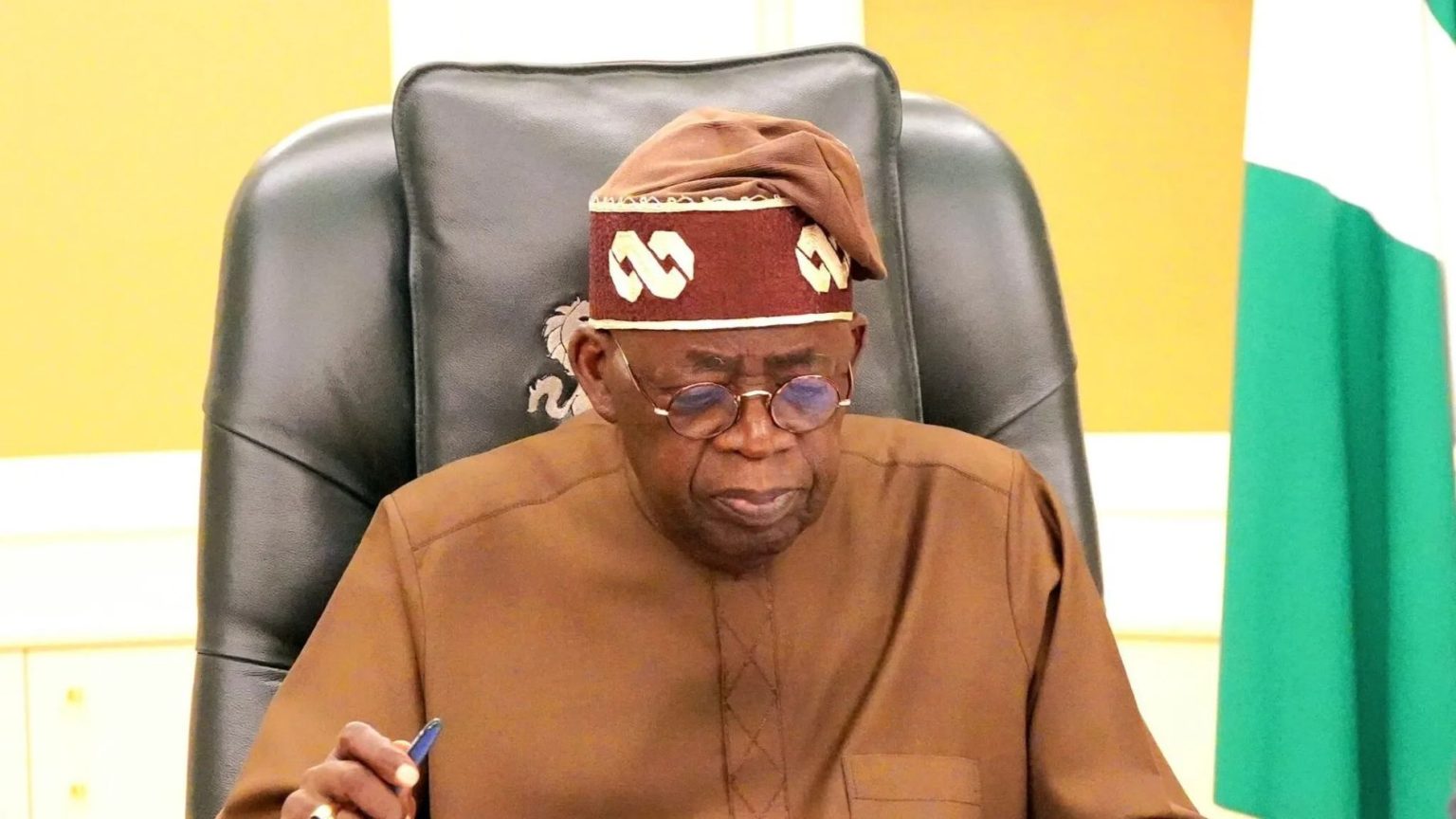
The African Democratic Congress (ADC) and the Obidient Movement have accused the President Bola Tinubu government of gross insensitivity following comments by Presidential Spokesman, Bayo Onanuga, saying he does not perceive the magnitude of hunger and misery being reported across the country.
But the federal government acknowledged the country’s agricultural revolution would need considerably more capital than it could offer alone, The Guardian reported.
ADC, in a statement signed by its National Publicity Secretary, Bolaji Abdullahi, said Onanuga’s comments represented the mainstream thinking in the Tinubu-led government and reaffirmed its position over the years that the present administration “is disconnected from the reality” in the country.
ADC has slammed recent comments by Onanuga, saying he does not see the magnitude of poverty and hardship Nigerians are talking about. Those comments are not just rude. They are a shocking admission of how out of touch the APC government has gotten with the realities of the people it rules. It is remarkable that a top presidential spokesman could publicly imply that the hardship is either exaggerated or perhaps fabricated when over 80 per cent of Nigerians are battling to feed their families, pay school fees, pay for transit and keep their businesses afloat. Africans & Diaspora
“The truth is that Nigerians are not faking their misery. The country is presently grappling with an unparalleled cost-of-living crisis, which is a direct consequence of the ill-conceived and badly implemented economic policies of the Tinubu administration that have plunged millions more into acute poverty since this government came to power. Food prices have skyrocketed, the cost of travel has multiplied, earnings and savings have lost their value, and millions of Nigerians who were managing before are now locked in economic despair. “This is not opposition propaganda, this is the lived daily experience of the ordinary Nigerians in every state of the federation.”
The party said the problem with Onanuga’s words was that they demonstrated an administration that had grown tragically insular and could not do anything differently.
He said a wise administration does not determine the impact of its programs by just looking at the people around or who go on paved roads.
In a statement yesterday, the Obidient Movement also called the remarks inappropriate and indicative of “a growing disconnect” between government leaders and the terrible realities faced by regular individuals across the country.
The criticism is coming on the heels of Onanuga’s appearance on Arise Television where he purportedly said that he did not see the widespread hunger being reported by many Nigerians. Africans & Diaspora
The Movement claimed the statement was an insult to the daily efforts of millions of residents struggling with rising food costs, falling salaries and worse economic conditions.
The group, thought to comprise followers of Peter Obi and his principles, says many families are struggling to purchase essentials as businesses battle with high operational costs, currency rate instability and falling consumer spending.
The country’s economic position had worsened considerably over the years, it said, citing the severe depreciation of the naira and the rising cost of key commodities as evidence of deepening suffering.
The government stressed the need to attract private sector investments in Nigeria’s agriculture space through a blended finance model to help mitigate risks around investments in agribusinesses. Africans & Diaspora
Mohammed Ibrahim, the Executive Secretary of the National Agricultural growth Fund informed newsmen that “Agriculture is fundamental to Nigeria’s food security, job creation, industrial development, export capabilities and overall prosperity.
“Public capital alone is not enough to finance the transformation of Nigeria’s agriculture sector. “Similarly, private capital will not be mobilised at the necessary scale unless the risks are fully understood, appropriately allocated and effectively managed.”
The conversations with stakeholders in 2025, Ibrahim said, showed there were big pools of capital in the financial system, including development finance and concessional funding, but investment in agribusiness was limited by difficulties in risk assessment, investment structuring and alignment with agricultural value chains.
The government’s long-term goal, he said, is to build an organised market where financial providers, agricultural operators, technical specialists and risk-sharing organisations can work together more efficiently.
About the Author