
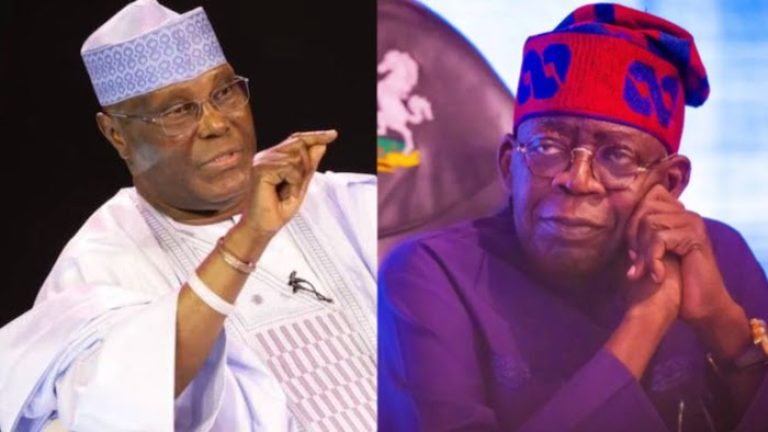
Former vice president and African Democratic Congress (ADC) presidential candidate, Atiku Abubakar, has knocked the Tinubu-led federal government’s defence of its economic policies, saying official statistics cannot outweigh the hardship millions of Nigerians continue to face.
Atiku said yesterday in Abuja that “the response of the presidency to the opposition criticism was too much on macroeconomic indicators but did not address the realities facing ordinary citizens.”
He denied the idea that the complaints stem from old 2024 data, arguing that the economic policies made in the early days of the Tinubu administration still impact the current realities of the country, Daily Independent reports.
He said that the ramifications of policy choices do not fade with time, and that Nigerians are still living with the implications of those policies in 2026.
Atiku said after more than three years in office, the administration should be held responsible for its record and not blame previous regimes for the issues facing the current government.
He said, “The presidency has been pointing to the improvements in the Gross Domestic Product (GDP), debt ratios and other economic indicators, but many Nigerians are more concerned about the rising cost of living, unemployment, food prices and the declining purchasing power. Economics
The former vice president said the final test of economic reforms should be their effect on people, businesses and the overall level of living, not just statistical improvements.
He also questioned the government’s borrowing strategy, arguing that the question was not whether countries borrow, but whether borrowed funds translate into visible improvements in infrastructure, public services, job creation and economic productivity.
Atiku said Nigerians have recognised the necessity for reforms on the removal of fuel subsidy but they expected the promised benefits to manifest in better public services and improved welfare.
He said the bigger allocations to the states and local governments should reflect real improvements in the lives of individuals, stressing that higher revenues are not proof of economic success.
He also highlighted issues on healthcare, education and infrastructure and said the government’s performance should be judged on access to cheap healthcare, quality education, reliable energy, improved roads and increased economic possibilities.
Atiku said data from the Manufacturers Association of Nigeria (MAN) show that the manufacturing sector still faces huge issues, including facility closures, increased production costs and diminishing purchasing power of consumers. History History
He argues that the state of industry, small business and households gives a truer picture of the economy than the official economic statistics.
“Ultimately governments are judged on their ability to enhance the welfare of citizens through lower cost of living, increased employment opportunities and economic security,” he said.
Atiku said the presidency should rather be concerned with alleviating the problems of Nigerians instead of defending its actions with official figures. “The people will judge the administration based on what they experience in their everyday lives.
About the Author