
A serious home energy crisis is pushing millions of Nigerian households away from sustainable energy options and back to traditional cooking fuels.
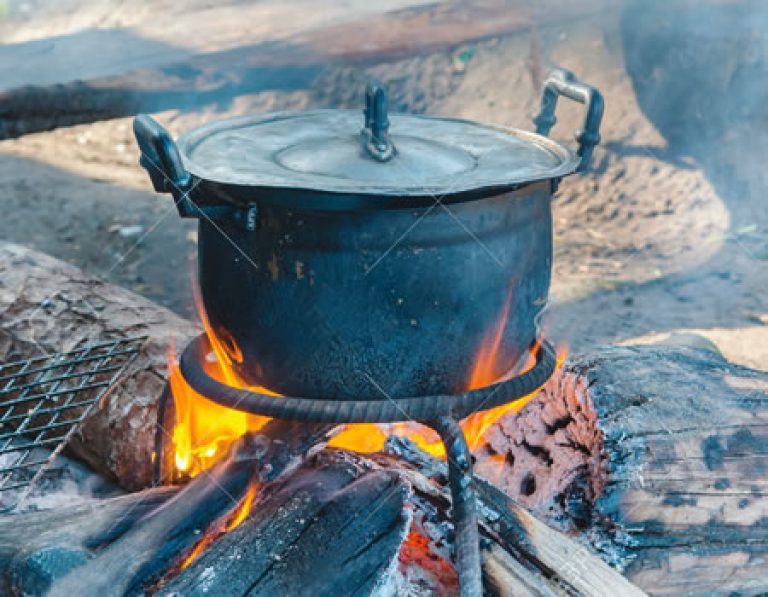
Vanguard reports that a pricing increase of Liquefied Petroleum Gas, LPG, popularly known as cooking gas, and kerosene, which is unprecedented, has forced many families in rural and urban areas back to firewood for cooking.
Data from the National Bureau of Statistics (NBS) shows that the price of refilling a 12.5kg cooking gas cylinder has skyrocketed to an average of N22,382.20.
Many homes in rural and semi urban regions that are trying to enhance their lifestyle by using cooking gas for cooking have been discovered to have abandoned their gas cylinder since the retail pricing for LPG has increased into a disruptive zone of N2,000 per kilogram.
Single kg of gas sales up to N3,000 in far-northern states, bordering settlements.
At the same time, domestic kerosene has become almost a luxury commodity.
The latest NBS Household Kerosene Price Watch revealed that the average retail price of kerosene in states like Sokoto, Kebbi and Lagos had climbed to a whopping N4,000 per litre.
This is an astounding jump from the N50 to N100 per litre rates observed before the total elimination of subsidies.
The reality of smaller kitchen size
The quick financial crunch has produced a dramatic shift in consumer behavior.
Mrs. Funmilayo Momoh, a fufu (half cooked cassava flour) seller, expressed her dissatisfaction at the economic reality.
Refilling my gas cylinder used to be a regular household duty but at N2, 000 per kilogram, it is beyond unsustainable.
“Long-cooking meals like beans or local meals are out of our kitchen.
“Now we have a makeshift firewood stove outside just to boil water and make basic food.
Even little micro-enterprises are under the gun.
Mama Puts, roadside food vendors who have long depended on the speed and cleanliness of LPG, are reverting to woodpiles to safeguard their razor-thin business margins.
A food seller, Mr Felix Asuquo, said, “I can hardly cook with gas now.
“What am I paid for the food I sell?
“Before, I could buy cooking gas for N10,000 that could last me for two weeks but now, such amount will hardly last me for three days.
“This is a total tragedy.
“We are meant to be moving forward as a country, but we are going backwards to the 1960s.
“How can a country with so much natural gas have its citizens cooking with firewood?
“The smoke is killing people slowly, and we’re losing our forests.
“The government has to step in and fix the exchange rate or subsidize gas locally,” he said.
Mrs Rukayat Saliu, a cleaner, for her part said: “At N2,000 per kg, who can blame anyone for using firewood?
“Not even my monthly salary can fill a 12.5kg cylinder twice anymore.Add to it the expense of food goods which are also out of reach and you will discover that Nigerians are surviving by a miracle. God save us in this land.
“I use firewood, and even firewood is expensive now.
Four pieces of firewood cost N1, 000 but it is more equitable when compared to the price of cooking gas.
The continuing price spikes have been blamed by marketers on structural weaknesses in the energy value chain. Nigeria has the biggest deposits of natural gas in Africa, but it does not have the infrastructure to process it locally, and imports a major percentage of its domestic LPG supply.
Such market structure exposes local retail markets to the effects of global price shocks, high vessel charter rates and foreign exchange fluctuations. Marketers now pay N26.2 million for each 20-metric-tonne truck of gas, against the previous price.
This tendency is pushing millions of citizens back to biomass fuels, jeopardizing decades of gains in clean cooking projects.
The increased logging to meet the growing urban demand for firewood speeds up deforestation, causes soil erosion, and eliminates natural habitat for wildlife.
Women and children exposed to prolonged exposure to dense smoke from firewood will experience an increase in chronic respiratory ailments, cardiovascular problems and ocular abnormalities.
About the Author