
The death toll from an unprecedented mass migration into Spain’s North African enclave of Ceuta has increased to 72 after officials uncovered five more bodies along the beach in one of the biggest migrant tragedies on Europe’s frontiers in recent years.
The humanitarian catastrophe began last Thursday when an estimated 50,000 to 60,000 migrants, mostly from Morocco and sub-Saharan African countries, swam around border barriers, climbed fences or used land crossings to enter or try to enter Ceuta. While most have already returned to Morocco, several were killed in the frenzied rush, victims reportedly drowned or crushed in the mob. The stampede left more than 1,000 individuals needing medical attention.
Search teams are still scouring the shoreline as tides bring more dead ashore, Spanish officials said. The mortuary in Ceuta has received 88 dead, including casualties of earlier efforts to migrate in recent weeks, authorities in the Spanish enclave said. Moroccan authorities are also recovering remains from the sea on their side of the border.
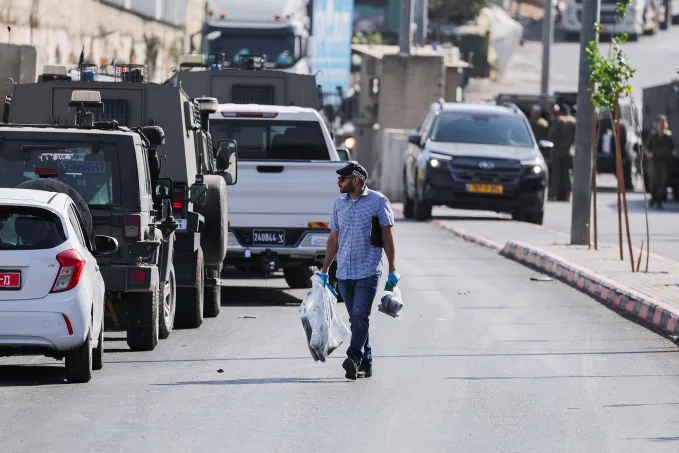
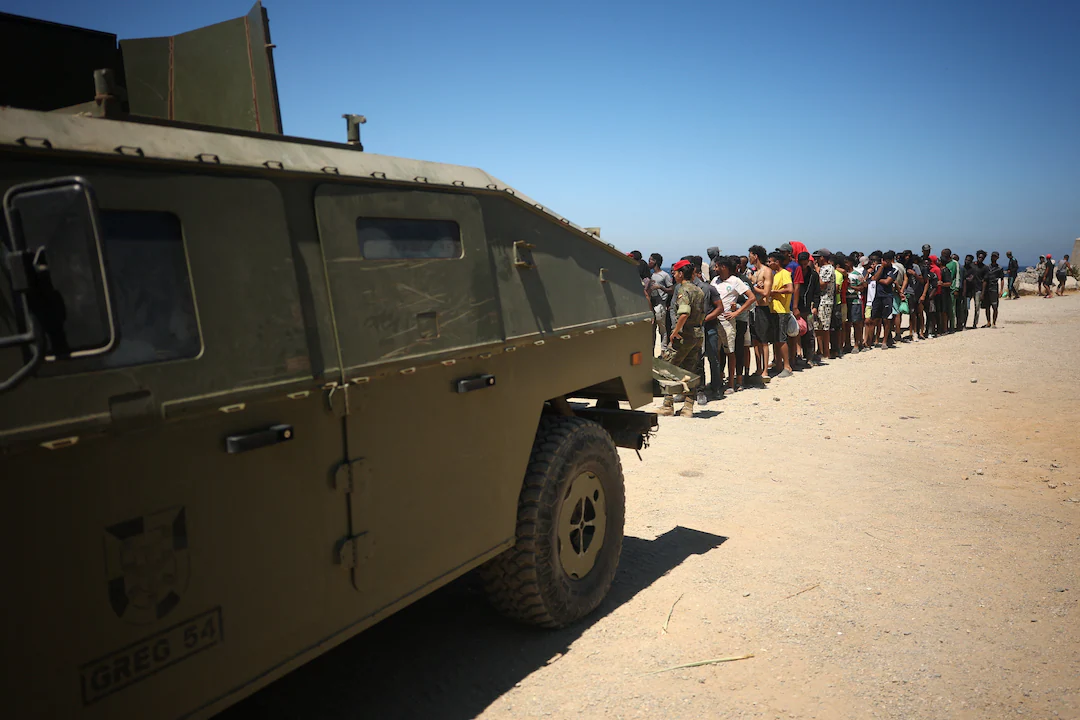
Spain has increased security around Ceuta following the tragedy. Authorities have put in place a 500-metre floating sea barrier at the Tarajal border area to discourage further perilous crossings by sea and to step up surveillance of the border. Thousands of police and military personnel remain deployed around the enclave.
Spanish Prime Minister Pedro Sánchez defended his government’s response, disputing charges that Spain’s migration policy fostered the influx of people. Officials said that migrants who enter Ceuta illegally cannot automatically travel to mainland Spain or other areas of the Schengen Area, amid rampant misinformation on social media ahead of the crossing.
The crisis has also escalated the political discourse in Europe. More than 20 European Union member states have reportedly called for more coordinated efforts for protection of the external border. Humanitarian organisations have called for both Spain and Morocco to investigate the deaths, improve search-and-rescue efforts and ensure that vulnerable migrants seeking asylum are protected.
Many who tried the trip did so because of economic hardship, unemployment and hopes of reaching continental Europe. Aid agencies say many more people remain stranded in Ceuta with unknown prospects, highlighting the ongoing humanitarian and political issues of migration at one of the European Union’s most sensitive external frontiers, even though tens of thousands have now returned to Morocco.
About the Author