
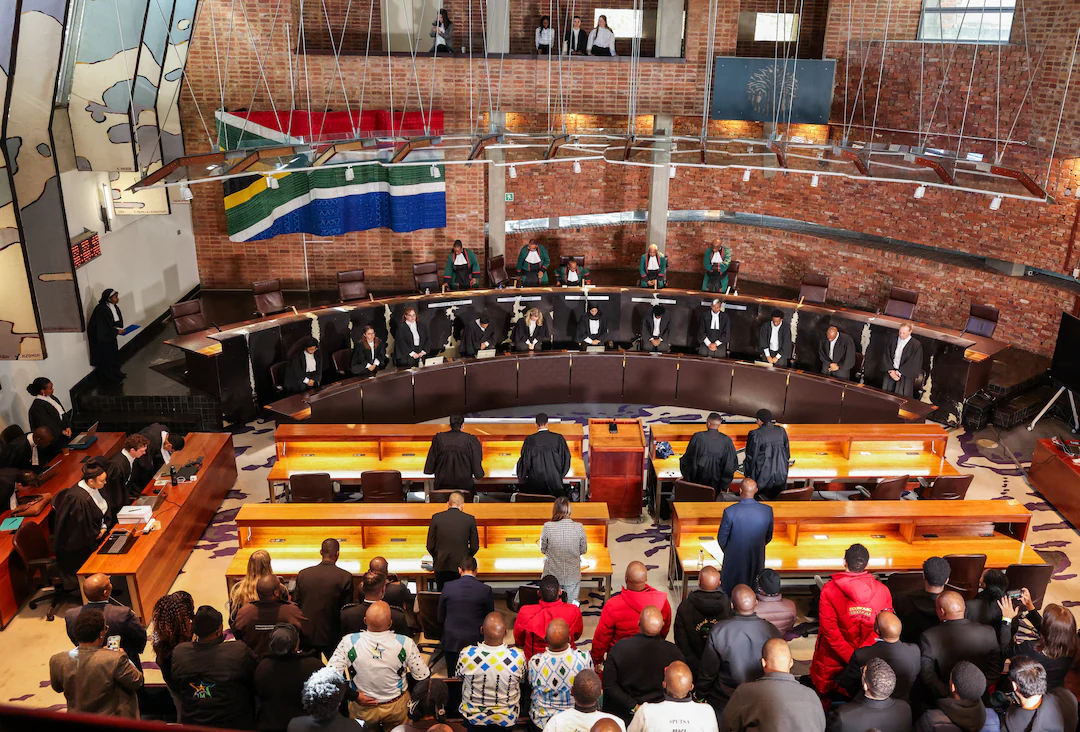
South Africa’s Constitutional Court has revived impeachment proceedings against Cyril Ramaphosa, who faces increased political and legal pressure over the infamous Phala Phala farm scandal.
The court said Parliament had not addressed the matter properly and ordered the MPs to reconsider whether Ramaphosa has a case to answer over allegations that he stole a big quantity of foreign currency from his private game farm in 2020, which was stashed in furniture.
The issue broke in 2022 when former intelligence head Arthur Fraser stated the president covered up the theft of about $580,000 reportedly stolen from sofas at Ramaphosa’s Phala Phala estate in Limpopo Province. Fraser also said the robbery was not properly reported to police and suspects were pursued unlawfully across borders.
Ramaphosa has repeatedly denied wrongdoing, saying the money came from the legitimate sale of buffaloes to a Sudanese businessman, not misconduct. The president has insisted he met all legal requirements and tried to hide nothing.
The Constitutional Court, in its opinion, determined that the parliamentary committee that first cleared Ramaphosa may have failed to properly analyze critical information before dismissing impeachment calls. The verdict effectively reopens the political process that may determine whether formal impeachment proceedings should begin.
The move is expected to stoke political tensions in South Africa ahead of forthcoming policy and economic debates, with opposition parties already calling for more accountability from the president. The decision was praised by several parties, who said it strengthens constitutional monitoring and the idea that no public figure is above examination.
The Phala Phala affair has been one of the largest tests of Ramaphosa’s presidency, overshadowing sections of his anti-corruption effort and generating condemnation from rivals and factions within the ruling African National Congress.
The issue didn’t cost Ramaphosa his position in the ANC leadership, and he survived prior impeachment attempts. Analysts said the renewed procedures might again test his political power and public credibility as South Africa continues to struggle with economic issues, unemployment and energy challenges.
About the Author