
In a major attempt to modernise urban transportation in key economic hubs in Nigeria, the Federal Executive Council has approved the award of contracts worth $2.99 billion for three major rail infrastructure projects in Lagos, Kano and Kaduna states.
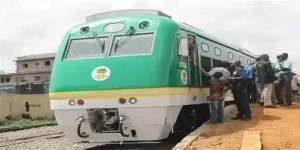
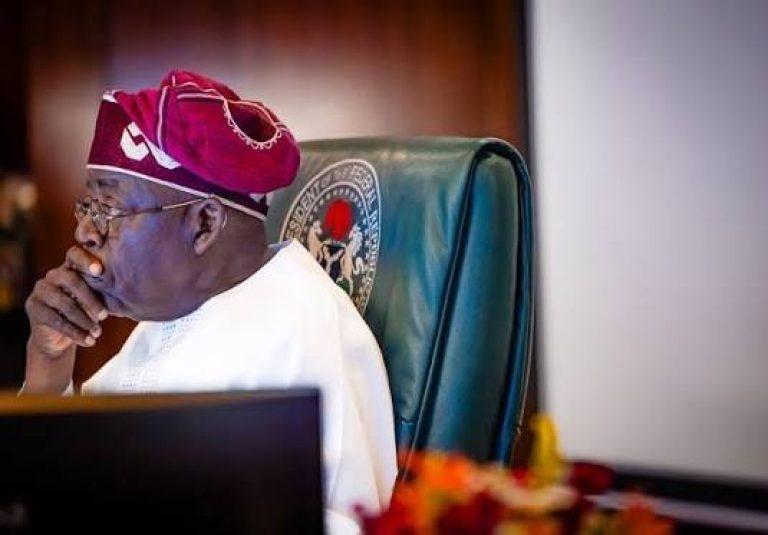
The decision was revealed after the weekly FEC meeting presided over by President Bola Tinubu on Thursday in Abuja. State House media were briefed by the Minister of Finance and Coordinating Minister of the Economy, Taiwo Oyedele, on the council’s decision, which he described as transformative and in line with the government’s broader development agenda.
“We know that for economic development you need working infrastructure that enhances productivity and growth and also improves the quality of life of the people,” Oyedele told journalists following the conference.
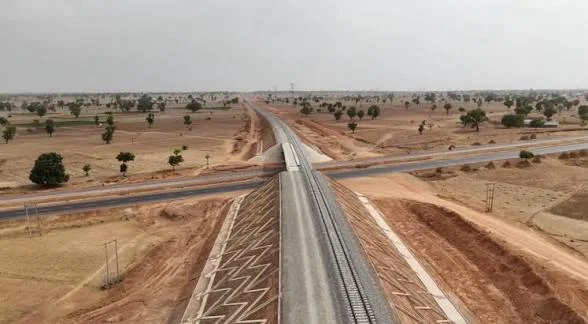
The authorized projects are the Lagos Green Line train Phase 1A, the Kano State Metro City rail project and the Kaduna State light rail system. All the projects are meant to reduce congestion, improve transportation and boost regional economic activity in the three cities.
The Lagos Green Line is undoubtedly the most anticipated component of the Lagos metropolitan rail network. It is meant to stretch from Marina on Lagos Island via the Lekki corridor, which has some of the highest concentrations of business and residential activity in sub-Saharan Africa. The Kano Metro City Rail, and Kaduna Light Rail, target two of northern Nigeria’s most economically important urban hubs, and aim to relieve congestion and assist commerce.
Oyedele said the three cities were chosen carefully, adding that targeted investments in these locations might yield outsized returns. “These three cities are very important and critical. “All cities are important, but here you get your 10 percent effort, 90 percent results,” he said.
The minister said the projects would be financed by the Ministry of Finance Incorporated on behalf of the federal government with potential for counterpart funding agreements from other sources. “The projects will be sponsored by the MOFI on behalf of the Federal Government of Nigeria with some counterpart funding. Oyedele revealed, “They will cost about $2.99 billion in total.
“Some of the projects have already been captured in the extended 2025 budget and are expected to strengthen the capital component of the overall investment framework,” Oyedele added. He said the program was a reflection of the government’s commitment to prioritize infrastructure as a driver of inclusive economic growth and urban mobility.
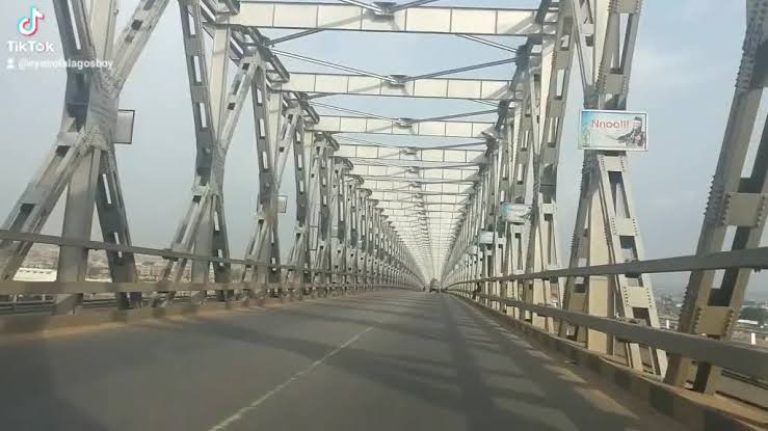
Besides the rail clearances, the council also set up a presidential power sector taskforce which would be headed by President Bola Tinubu to solve another crucial infrastructure crisis confronting the country. The FEC also approved contracts for road and bridge projects worth over N7 trillion, including 10 major projects across all six geo-political zones, including a N1.86 trillion extension of the Lagos-Calabar Coastal Highway through Akwa Ibom State and a N548.98 billion contract to demolish and fully rebuild the Carter Bridge in Lagos.
The permits are part of the administration’s broader infrastructure program that prioritizes rail construction as a more cost-effective and sustainable alternative to automobile transit . The Lagos Green Line is intended to complement other urban rail projects in Africa’s biggest city, while the Kano and Kaduna rail projects are designed to enhance commercial activity in northern Nigeria by boosting passenger and freight mobility.
About the Author