
The trial of a former Nigerian Minister of Petroleum Resources continued at , with her denying claims of seeking expensive gifts or improperly profiting from businesses connected to Nigeria’s oil sector.
Alison-Madueke, during cross-examination, denied allegations that she masterminded a series of big ticket purchases prosecutors had put forward, saying many of the deals were done by associates, the oil dealer among them, on their own.
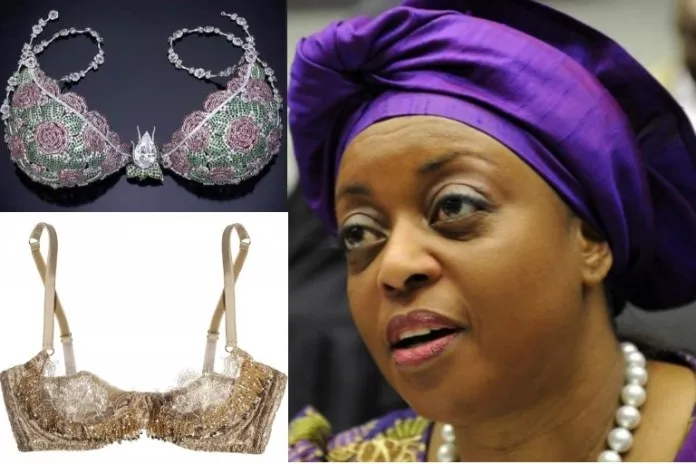
The court was shown evidence stretching back several years, including pictures of luxury goods discovered at houses in London. Prosecutors have questioned her links to an Italian interior designer and a catalogue of made-to-order furniture. She said she did not ask for several of the products in question, which she said were bought without her knowledge.
The shopping list, detailing purchases from high-end merchants, also faced scrutiny. She acknowledged that she owned personal items, including luxury handbags, but said she did not direct or fund the majority of the spending.
She said she did not ask him to pay for anything, telling court that payments were made at the discretion of people accompanying her on shopping trips.
Prosecutors also asked if her contacts with businessmen such Aluko and , were a conflict of interests as they had commercial dealings with the Nigerian National Petroleum Corporation during her time in office. Alison-Madueke said the interactions were personal, not related to government duties.
Prosecutors also pointed to a firm called Tenka, which they said she used to cover her expenses. She said she had taken legal advice before using its services and denied knowing the basis of its funding.
“I was never privy to any of this,” she claimed.
It also looked at alleged favors given to her family like property arrangements and gift packages. Alison-Madueke denied involvement in such dealings, saying any commerce between her relatives and the businesspeople was on their own.
She said some of the expensive travel, including the use of private jets, was paid for by third parties but insisted they were related to official duties or health needs and some were later reimbursed.
She said she did not feel it was necessary to legally register some of the furniture for residences in London and Abuja which had been paid for by acquaintances, calling them gifts from friends of the family.
Prosecutors also produced records of substantial overseas travel, borne out by passport entries and booking paperwork. She said she did not personally handle logistics, saying aides would have made those preparations.
Alison-Madueke said her activities were legal but she could not recollect specifics because of the passage of time.
When shown pictures of the case, she indicated she hadn’t seen some of the goods for 13 years.
The prosecution is anticipated to resume its cross-examination, digging into financial records and asset ownership to determine if any of the perks obtained were inappropriately tied to her previous position.
About the Author