
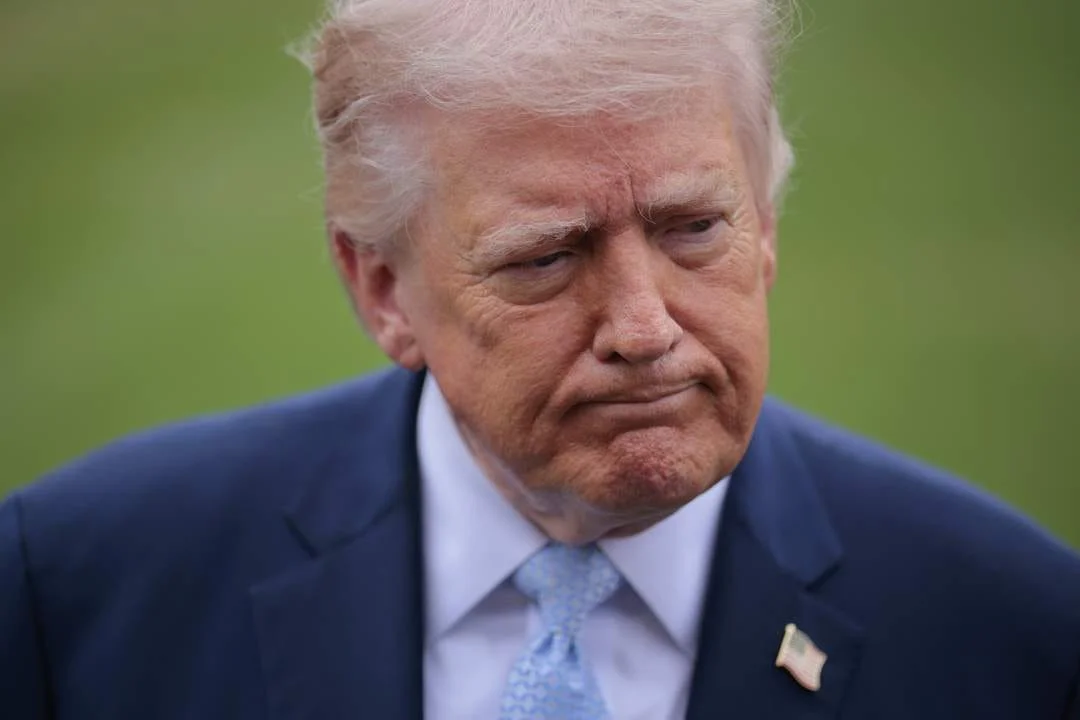
As new mediation attempts in the region pick up steam, U.S. President Donald Trump has said that the protracted dispute with Iran is “close to over,” bolstering optimism of a potential diplomatic solution.
With Pakistan’s Army Chief, Field Marshal Asim Munir, traveling to Tehran to assist talks between Washington and Tehran, the declaration coincides with a resurgence of diplomatic activity. After previous conversations in Islamabad failed to result in a settlement, Pakistan has emerged as a crucial middleman in an effort to restart stalled peace negotiations.
Beginning in late February as a result of joint U.S.-Israeli military action against Iran, the conflict has caused considerable instability throughout the Middle East, including retaliatory strikes and interruptions to international oil routes. While attempting to reach a more comprehensive agreement, mediators are pressing to prolong the current interim ceasefire.
Trump voiced hope about impending progress, implying that the conflict’s conclusion could be decided by events in the next few days and hinting to a pivotal stage in discussions.
U.S. and Iranian officials are allegedly getting closer to a framework agreement that could formally stop hostilities in the midst of ongoing behind-the-scenes negotiations. Before the present ceasefire ends, mediators like Egypt, Turkey, and Pakistan are actively coordinating efforts to secure a long-term solution.
But there are still a lot of issues, especially with Iran’s nuclear program. While the United States is pushing for longer-term limitations and the elimination of enriched materials issues that continue to hinder negotiations, Tehran has suggested a temporary halt to its nuclear activity.
Tensions are still high despite the hope. Even if diplomatic channels are still open, the U.S. naval blockade of Iranian ports and ongoing regional battles highlight the ceasefire’s fragility.
About the Author