
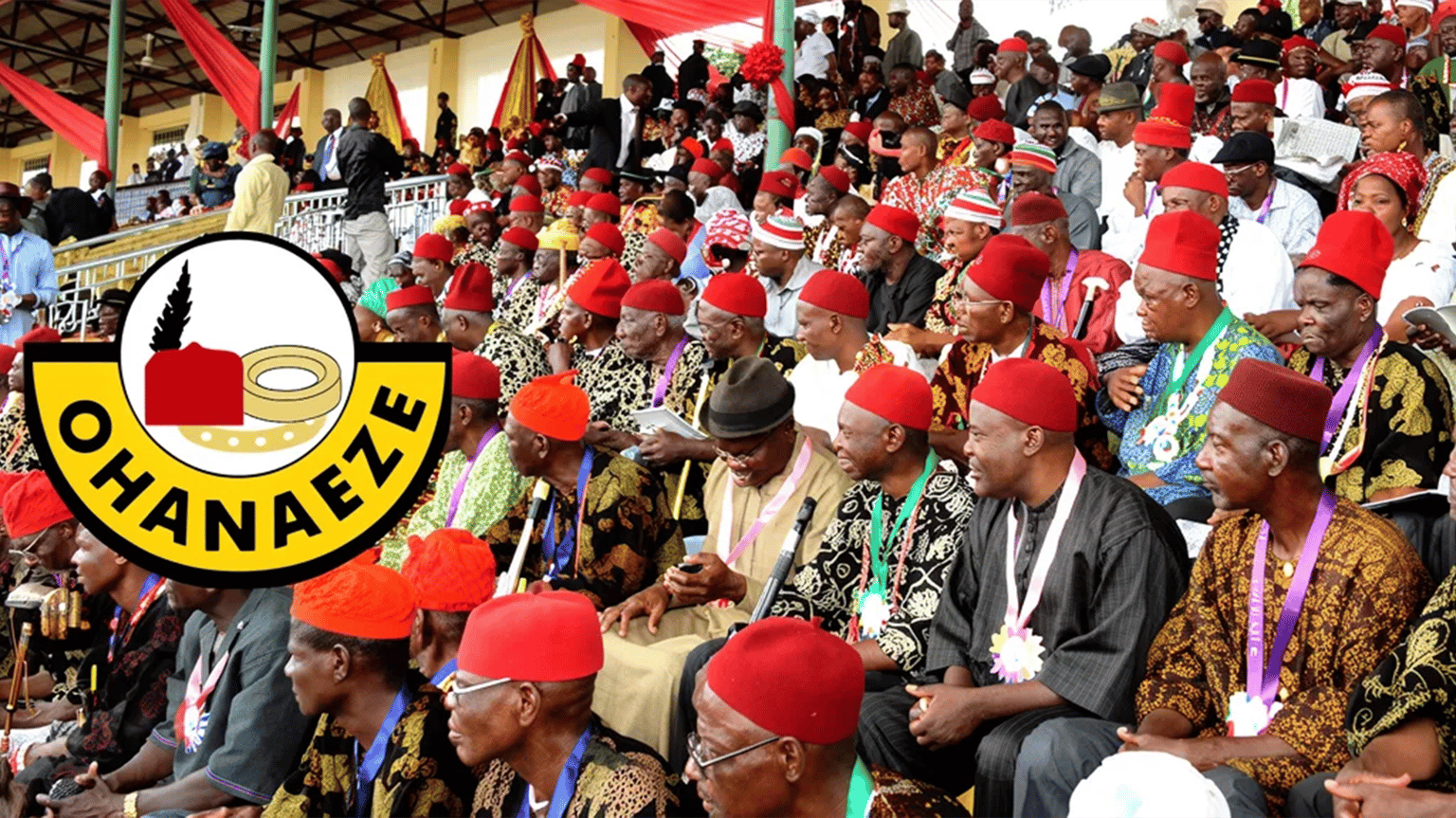
The Igbo apex organization, Ohanaeze Ndigbo, cautioned the New York Times, a distinguished media entity, against being coerced into publishing unverified and potentially incendiary claims, warning that such publications might lead to severe repercussions and turmoil in Nigeria.
Ohanaeze Ndigbo responded to a New York Times publication asserting that Igbos contributed intelligence to the USA, resulting in bombings against ISIS elements in Sokoto. They emphasized that such reports can have catastrophic repercussions, inciting ethnic division and unrest in Nigeria, according to The Guardian.
In a declaration made in Abakaliki, the Deputy President General of Ohanaeze Ndigbo, Mazi Okechukwu Isiguzoro, asserted that the Igbo have neither been nor are currently engaged as intelligence contributors or participants in the United States’ initiatives against terrorist networks, emphasizing that such a report could provoke ethnic hostility and distrust towards the Igbo community, especially among those living in Northern Nigeria.
He clarified that the Igbo are neither the originators nor the principal advocates of the narrative concerning Christian persecution in Nigeria, notwithstanding the indisputable existence of Igbo victims in these occurrences.
He insisted on a complete apology for the dissemination of this intentionally deceptive and potentially harmful article and requested its retraction.
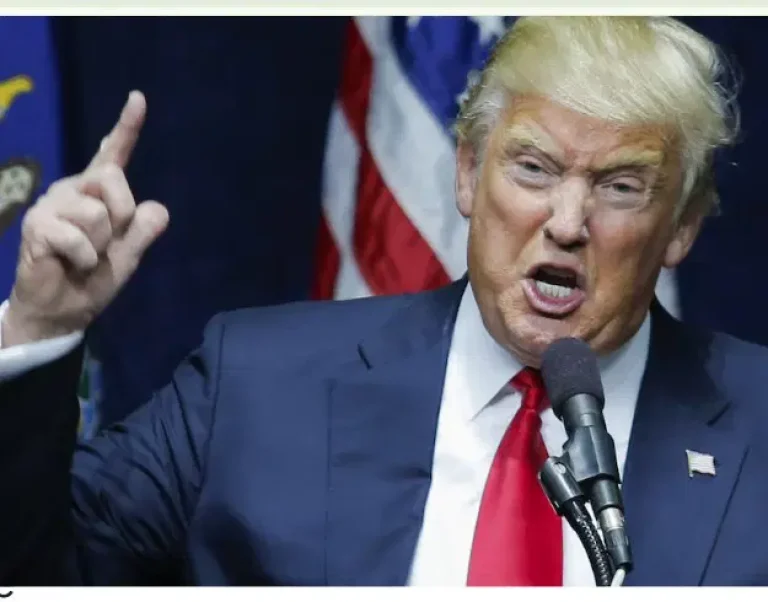
He praised the current partnership and collaboration between US President Donald Trump and the Federal Government in the fight against terrorism, while firmly rejecting any suggestion that Igbo individuals played a role in supplying information that resulted in the bombing, dismissing efforts to unjustly implicate the Igbo in these actions.
Isiguzoro further asserted that “our apprehensions are fundamentally anchored in historical precedent and the recent New York Times article, which endeavors to depict an Igbo individual, allegedly a ‘screwdriver seller’ from Onitsha, as a principal source of intelligence for the US airstrikes.”
This depiction reflects the covert propaganda initiative that exacerbated ethnic discord preceding the catastrophic occurrences of 1966.
We categorically reject any suggestion that Igbo individuals contributed intelligence that resulted in the bombing.
“We commend the ongoing partnership and collaboration between the US and Nigeria in combating terrorism, but we must unequivocally reject any attempts to unjustly implicate the Igbo in these efforts.”
“Our apprehensions are fundamentally anchored in historical precedent.
The latest New York Times piece, which seeks to depict an Igbo guy, allegedly a ‘screwdriver seller’ from Onitsha, as a principal source of intelligence for the US bombings, reflects the pernicious propaganda campaign that exacerbated ethnic tensions preceding the tragic events of 1966.
The article’s assertion that this individual impacted President Trump’s conduct is not only implausible but also clearly designed to provoke tribal hostility and distrust towards the Igbo community, especially those living in Northern Nigeria.
The preposterous depiction of an Onitsha-based merchant serving as a vital intelligence asset is evidently ludicrous and, frankly, offensive. This is a blatant effort to revive the longstanding strategy of scapegoating the Igbo for Nigeria’s issues.
To clarify, the Igbo are neither the originators nor the principal advocates of the narrative on Christian persecution in Nigeria, notwithstanding the indisputable occurrence of Igbo victims in these events.
Various organizations and religious groups, including non-Igbo entities in the Northern region and diaspora-based Christian and civil rights advocates, have played a crucial role in highlighting Christian persecution.
“What is the rationale behind The New York Times selecting an Igbo individual in this context?” What is their genuine motivation? Are American lobbyists participating in this coordinated campaign?
“Ohanaeze Ndigbo does not oppose the collaboration between the US-Trump administration and Nigeria in combating terrorist organizations, nor do we object to the endeavors of US lobbyists aimed at enhancing Nigeria’s international reputation.”
We are firmly opposed to any efforts to resurrect the nefarious anti-Igbo campaigns that have historically been employed to incite conflict and instability.
The indelible recollections of the 1966 pogrom against the Igbo persist in our collective consciousness.
“We are keenly cognizant of the harmful influence exerted by specific international media organizations, which inaccurately depicted the January 15, 1966, coup as a ‘Igbo Coup’, a characterization that facilitated the subsequent July 1966 counter-coup and the resulting genocide.
The piece from The New York Times thus adheres to a comparable perilous trajectory.
Since 1966, the Igbo have consistently been unjustly held responsible for Nigeria’s misfortunes. No international media organization shall ever again be permitted to utilize the Igbo as scapegoats.
In light of these incontrovertible facts, Ohanaeze Ndigbo asks that the New York Times offer an immediate and unequivocal apology for publishing this intentionally deceptive and potentially hazardous piece, and that the story be retracted.
We hold the New York Times responsible for any increase in tensions that this piece may provoke, especially in Northern Nigeria.
The organization stated, “Moreover, we urge all Igbo civil rights organizations to abstain from commenting on security issues related to the US-Nigeria partnership against ISIS and other terrorist factions in Nigeria, to prevent our concerns from being exaggerated or misappropriated to validate the article.”
About the Author