
France is preparing for another big day of protests and strike action on Thursday (November 5) with trade unions, students and public sector workers taking to the streets over the cost of living, school conditions and fears over the quality of public services.
President Emmanuel Macron has called a meeting with top security officials as his government strives to avert a repetition of the October 17 riots and looting that caused extensive damage to shops and public buildings and revealed weaknesses in the country’s security response.
The demonstration, sponsored by unions such as the General Confederation of Labour (CGT) and endorsed by student groups, is set to bring hundreds of thousands of participants nationwide. France’s internal intelligence service has estimated between 500,000 and 700,000 people may join rallies outside Paris, reports say.
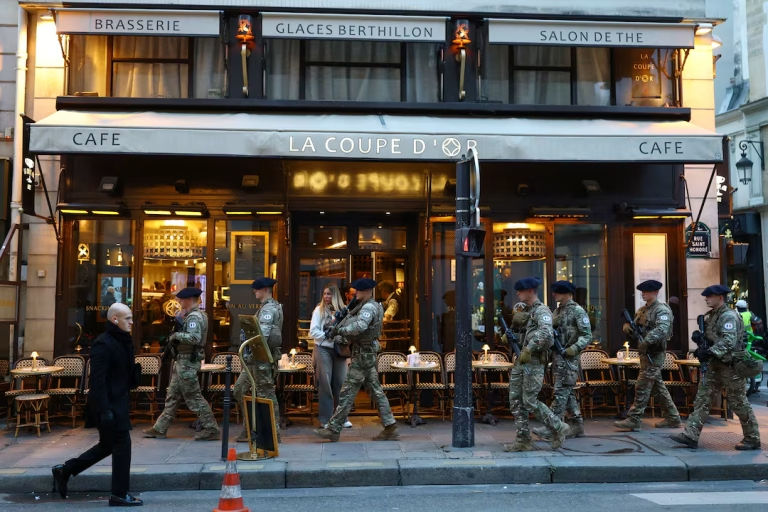
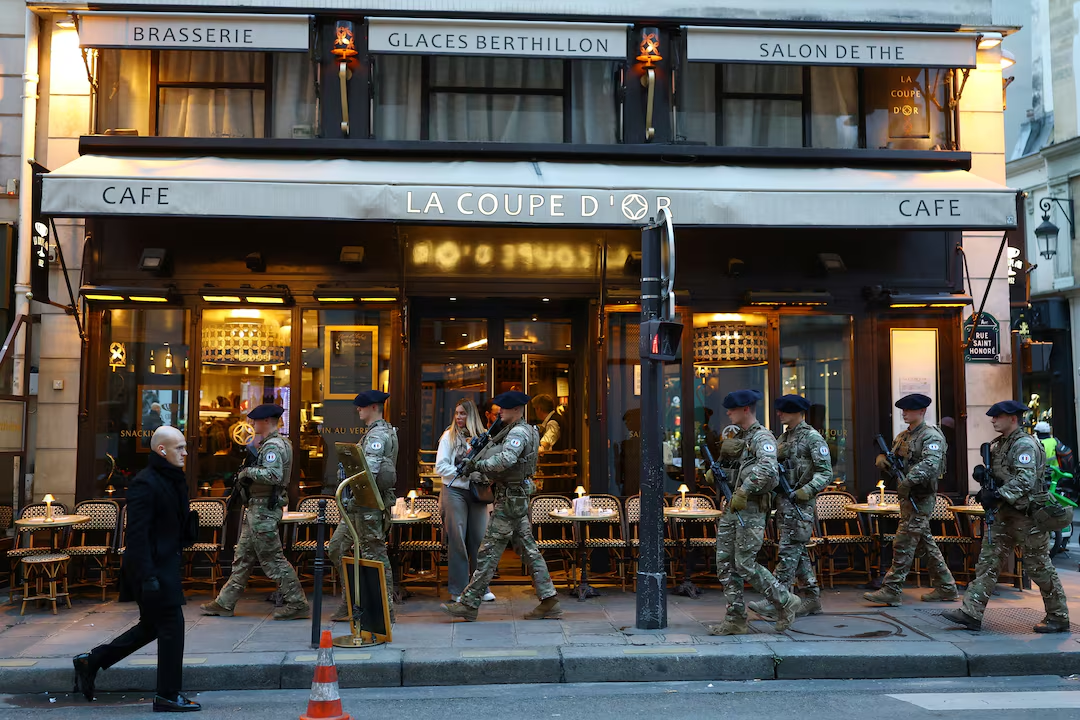
Authorities are gearing prepared to mobilise around 70,000 police personnel nationally, and the government has warned that it will respond severely to violence and efforts to disturb public order.
“We are in a state of extreme vigilance because we cannot allow October 17 to happen again,” government spokeswoman Maud Bregeon said following a cabinet meeting Wednesday, underlining the administration’s fear of a repetition of the earlier violence.
Grievances driving protests have included increased living costs, strain on household incomes, deterioration of public services and concerns about education. Students also complained about overcrowded classrooms, poor school facilities, shortage of teachers and uncertainty regarding their future prospects.
It began with high school students and has since expanded to include labour unions and workers in a number of areas. Disruption to public transit, rail services, schools and portions of the energy industry is predicted as workers join the strike.
The French Education Ministry put the figure for Thursday’s action as 17.5% of public elementary school teachers, and unions warned that transport services could also be affected.
The current mobilisation follows protests on October 31 which were mainly calm during the day but concluded with sporadic skirmishes in Paris, Lyon, Toulouse and Marseille. Police utilised tear gas and other crowd control techniques in various spots as officers approached groups engaging in disruptions.
The protests came two weeks after the disturbances of October 17, when rioting and looting took security forces by surprise and caused damage to businesses and public buildings in many locations. The sheer extent of the violence has reinforced criticism of the government’s handling of mounting social dissatisfaction.
The administration has defended its security measures and said it will investigate claims of police misconduct. But limitations on protests and significant deployment of security forces have sparked criticism from trade unions and civil liberties groups who say that the right to peaceful protest must be preserved.
The upheaval is also occurring against a challenging political and economic environment. France is heading into its 2027 presidential election with the government under pressure to curb expenditure as debt mounts and disagreements continue over its projected budget. Opposition parties have tried to channel public anger into a political challenge to Macron’s administration.
Recent weeks have seen many peaceful rallies but the government fears that broad resentment, strike action and the prospect of riots could further undermine the country.
The protests on Thursday are therefore likely to be another big test for Macron’s capacity to quell the unrest while addressing the economic and social problems fuelling the movement.
About the Author