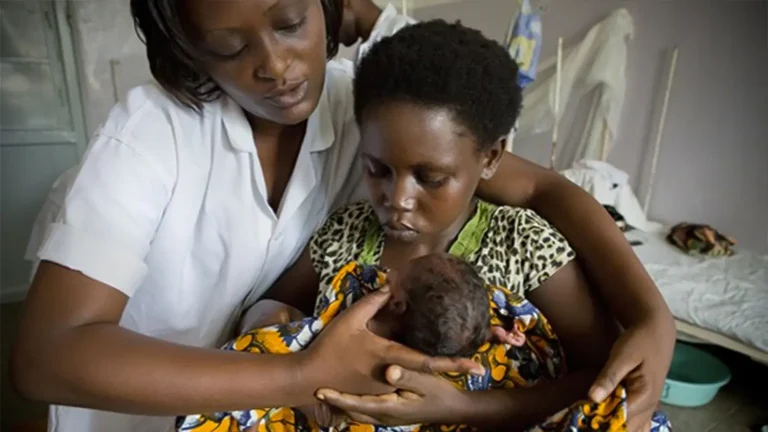

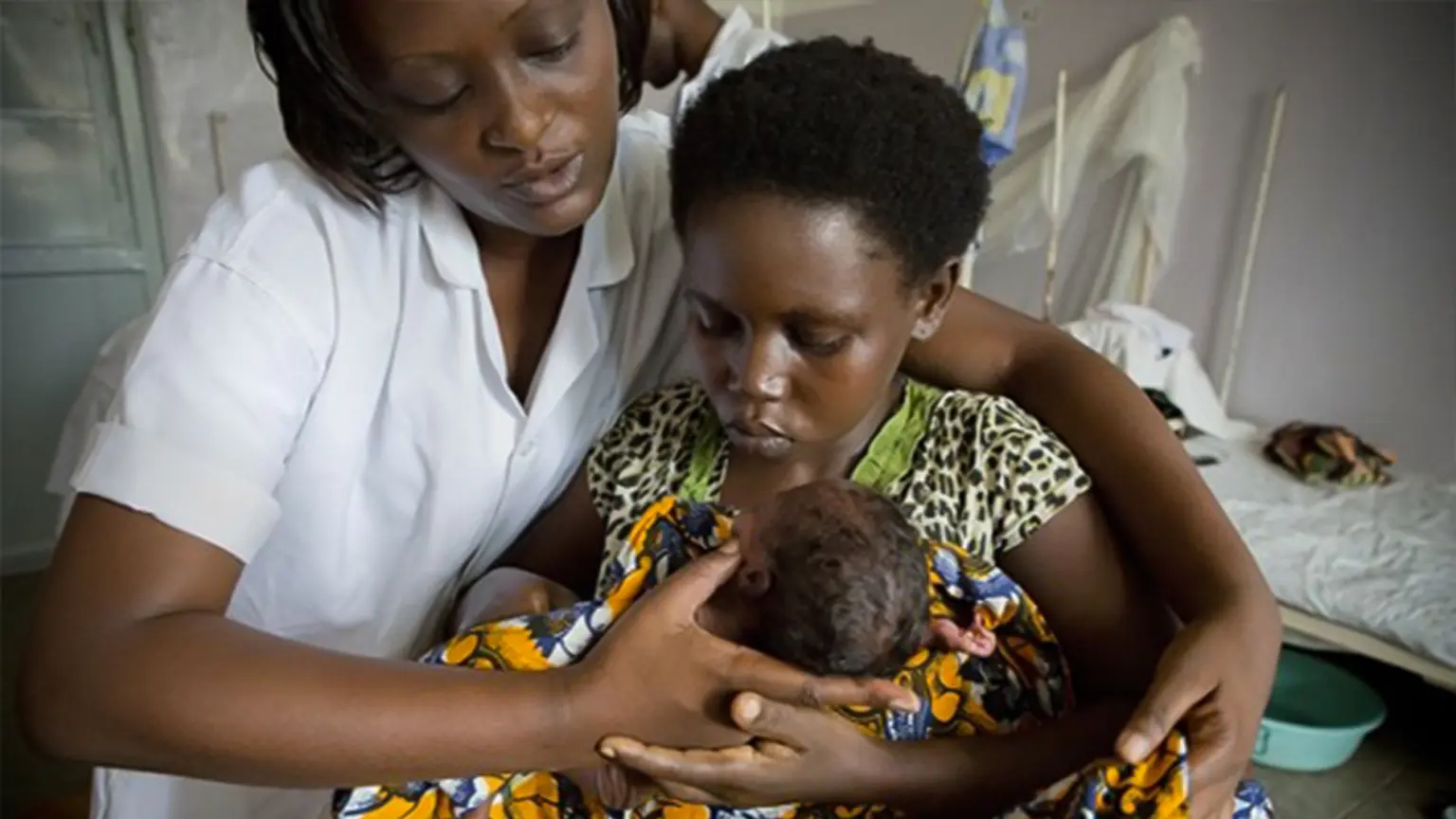
The United Nations has once again expressed worry over the burden of maternal mortality in Nigeria, saying that it accounted for at least 25 percent of global maternal deaths.
This was disclosed yesterday by the Women Country Representative to Nigeria and ECOWAS, Beatrice Eyong, at the second annual National Sexual and Reproductive Health and Rights (SRHR) Network Conference in Abuja. According to Eyong, the issue is still a severe matter that needs immediate and collaborative action.
Reflecting on the theme of the conference, ‘Redefining SRHR: Gender Justice, Innovation and Collective Action’, Eyong said a Nigerian woman had a lifetime risk of dying from pregnancy-related complications at a rate of one in 22, as against one in above 4,000 in developed countries, The Guardian reports.
The statistic, she said, represents roughly eight million infants born every year in Nigeria and millions of women whose lives were being put at danger by preventable complications related with pregnancy and childbirth. Buy maps
But she added that “no woman should die giving birth. ‘It shouldn’t happen, specially in this century with all the advancements that we’ve got.
In this regard, Eyong urged the government, development partners, civil society organisations and other stakeholders to move beyond policy announcements to tackle the underlying social and economic issues that contribute to maternal fatalities.
She said maternal death figures typically reflected deeper gender-related barriers that impeded women’s access to healthcare services, including maltreatment by health staff, detrimental social norms and limited financial empowerment.
President of Lawyers Alert, Dr Rommy Mom, for his part asked for more access to free legal services for women and other vulnerable groups, especially those who could not afford to get justice. TrackExec Orders
Mom claimed that economic hardships often kept women from approaching the legal system, even when laws were in place to safeguard their rights.
For her part, the Minister of Youth Development, Olawande Ayodele, noted that young people could not fulfil their potential optimally and engage meaningfully in governance and economic development without access to safe and equitable sexual and reproductive health information and services.
The minister, who was represented by his Senior Special Assistant on Gender Matters, Kehinde Awujoola, said that sexual and reproductive health and rights were essential human rights and important element of empowerment.
Prof. Muhammad Ali Pate, Minister of Health and Social Welfare, also said the federal government regarded sexual and reproductive health and rights as vital to human dignity, equitable development and universal health care.
Represented by the Director of the Health Promotion Division in the ministry, John Uruakpa, Pate said strengthening reproductive, maternal, newborn, child and adolescent health remained a priority in the government’s efforts to strengthen the health system.
For her part, Coordinator of Sexual and Reproductive Health and Rights (SRHR) Movement in Nigeria, Confidence Ezeala, called for stronger collaboration between government, civil society organisations and development partners to tackle challenges limiting access to sexual and reproductive health services in the country.
She said she was concerned by the rise of anti-rights narratives, conflict and climate-related displacement, and technology-facilitated abuse, projecting that over 70 million women and girls in Nigeria were at danger of online abuse by 2027.
About the Author