

While some of the dramatic price rises first expected by analysts have been avoided so far, global oil prices remain high amid the ongoing confrontation involving the United States and Iran and disruptions near the Strait of Hormuz.
One key element has been China’s choice to draw on its large oil reserves and cut crude imports, helping to lessen pressure on global demand and minimise the upward impact of supply interruptions.
When the battle began in February, energy analysts warned that petroleum prices might potentially more than double if the fighting continued and shipments via the Strait of Hormuz were substantially affected. Six months into the battle Brent crude is trading about $100 a barrel, having touched roughly $126 in late April.
China, the world’s No. 2 oil user and major buyer of Iranian crude, has amassed one of the world’s largest strategic petroleum inventories. The US Energy Information Administration estimated China’s reserves at roughly 1.4 billion barrels at the end of 2025.
Beijing has been tapping into those reserves to ease the pain of disruption to overseas shipments. China also cut its petroleum imports significantly as the US and Israel launched their bombing and Iran essentially shut the Strait of Hormuz.
According to US data, China’s average crude imports in the second quarter were roughly 8.1 million barrels per day, down about 4 million barrels per day, or 32 per cent, from the level in the first three months of the year, the Associated Press said.
The decline in Chinese buying has helped reduce pressure on the global market at a time when the closing of the Strait of Hormuz has threatened one of the world’s most critical oil shipping routes.
One of the main reasons for easing the oil-price shock, energy analysts told AP, has been China’s reduction of its reserves.
But the situation remains unstable. Regional energy infrastructure has been targeted by Iran-backed rebels and Houthi activities in the Red Sea has added to shipping risks.
Bank of America analysts previously predicted oil at roughly $83 a barrel for the second half, assuming a gradual resumption of shipping via Hormuz. They warned that a prolonged escalation may drive prices to between $95 and $120 a barrel, while heavy damage to energy infrastructure could spark rises as high as $150.
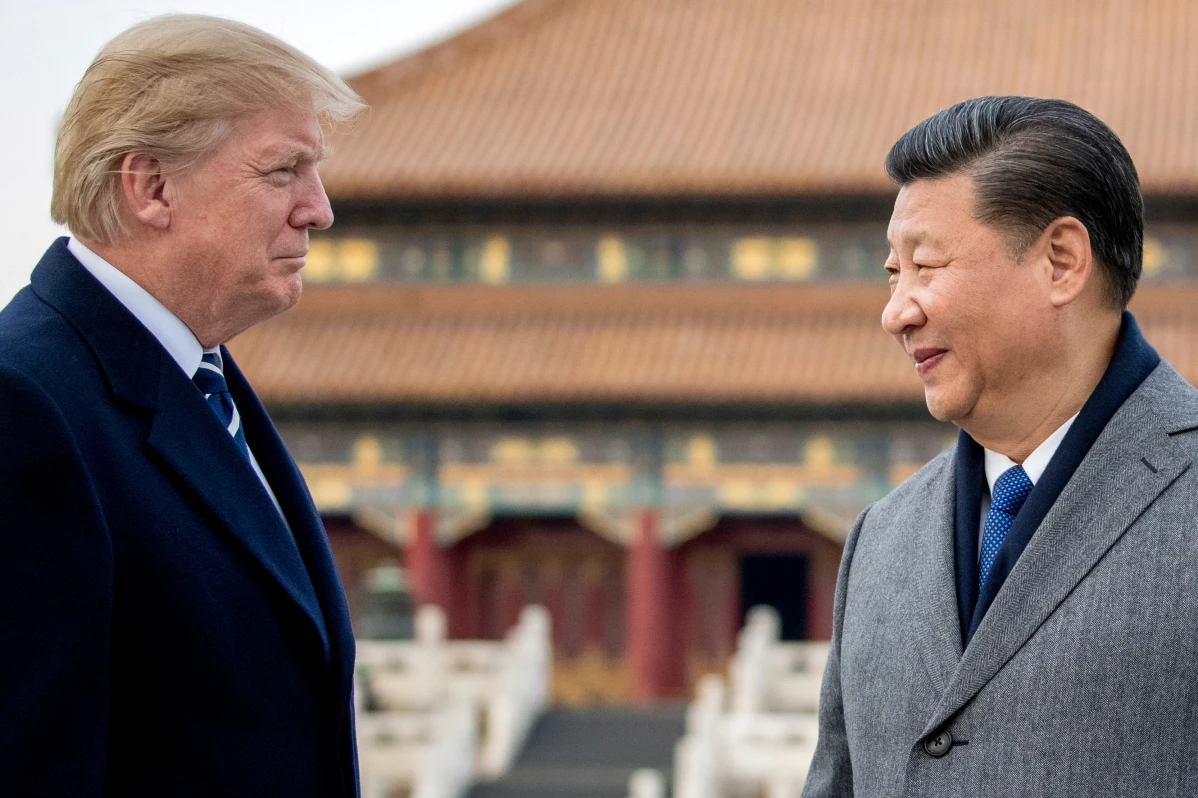
The role of China has brought another dimension to the meeting in Washington this week between US President Donald Trump and Chinese President Xi Jinping.
The two leaders are also scheduled to discuss the Iran issue and its economic fallout. Washington has frequently called on Beijing to utilise its influence over Tehran and back attempts to reopen the Strait of Hormuz.
China, meanwhile, has pushed back on the U.S. military campaign against Iran and has resisted some of Washington’s demands for more economic pressure on countries and companies with trade ties to Tehran.
Beijing acquired huge oil reserves as part of a broader effort to decrease China’s susceptibility to external energy shocks. Analysts say the policy was motivated by fears of future hostilities and supply interruptions, not just the present Iran war.
But the policy has given China a buffer throughout the current crisis and indirectly helped to avert an even steeper rise in global oil prices.
The White House did not say whether Trump believes China’s measures helped restrain oil prices. But energy specialists cited by AP say Beijing’s choice to use its reserves and cut imports has been among the biggest factors constraining the market’s reaction to the dispute.
But the global oil market remains vulnerable to potential supply interruptions with the Strait of Hormuz still under pressure and regional tensions unresolved.
About the Author