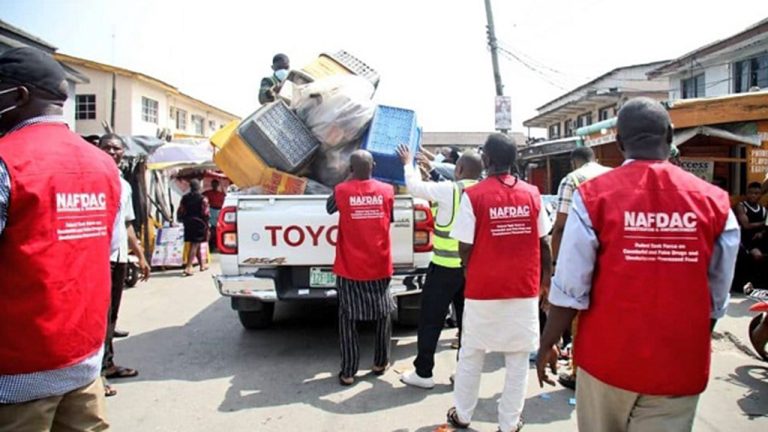

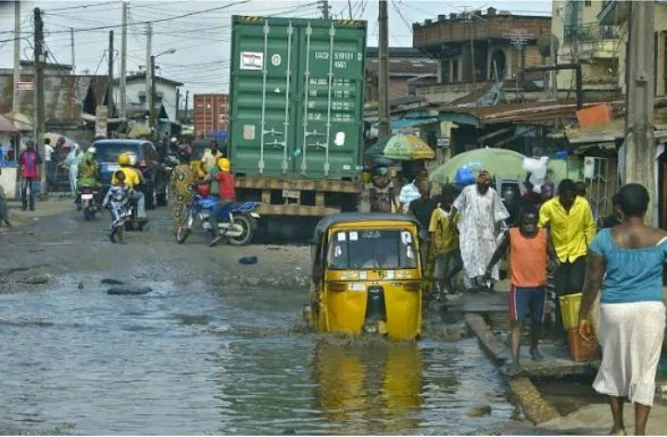
Relief materials during flood disaster could generate dramatic headlines, but a strong reaction and structure leads to longer-lasting economic rewards.
The Nigeria flooding disaster situation is becoming too complex to be solved by any one entity.
But institutions must be able to properly attack the root of climate change and absence of laws and regulations.
What is obvious now is that the main cause of floods is not just climate change, nor inadequate statutes and the ensuing environmental dislocations, even if these are a contribution.
The main source, is the mindset of the citizens and their negative behaviour in the inappropriate waste disposal.
To deal with natural calamities is not about press conferences, summits and too much talk but the formulation of inventive actions.
So far our action has been like communication with the deaf, Thru mumbling, with replies. The flood is caused by the citizens’ ignorance and the government’s inaction.
This is because sovereignty in the 21st century is not about raising flags.
Sovereignty means self care, food, security, ability to enforce and defend your territorial integrity, environmental protection, tech capability, quality of education and quality of human resources capital.
As long as residents keep promoting anti environmental actions such as obstructing drainage, coping with periodic flooding will remain ongoing and expensive cycle supported by taxpayers.
Natural disasters are often viewed as environmental issues, but their repercussions go far beyond the environment to economics.
Citizens will ultimately judge response measures not by predictions but by preparation, rescue, evacuation and recovery.
The various agencies need to transition from reactive agencies to proactive disruptions.
It is a meaningful contribution to growth, development and national security to protect the environment.
AVM RTD AKUGBE IYAMU MNSA fsi PRESIDENT OF THE ASSOCIATION OF ENVIRONMENTAL PROTECTION AND CLIMATE CHANGE PRACTITIONERS
About the Author