
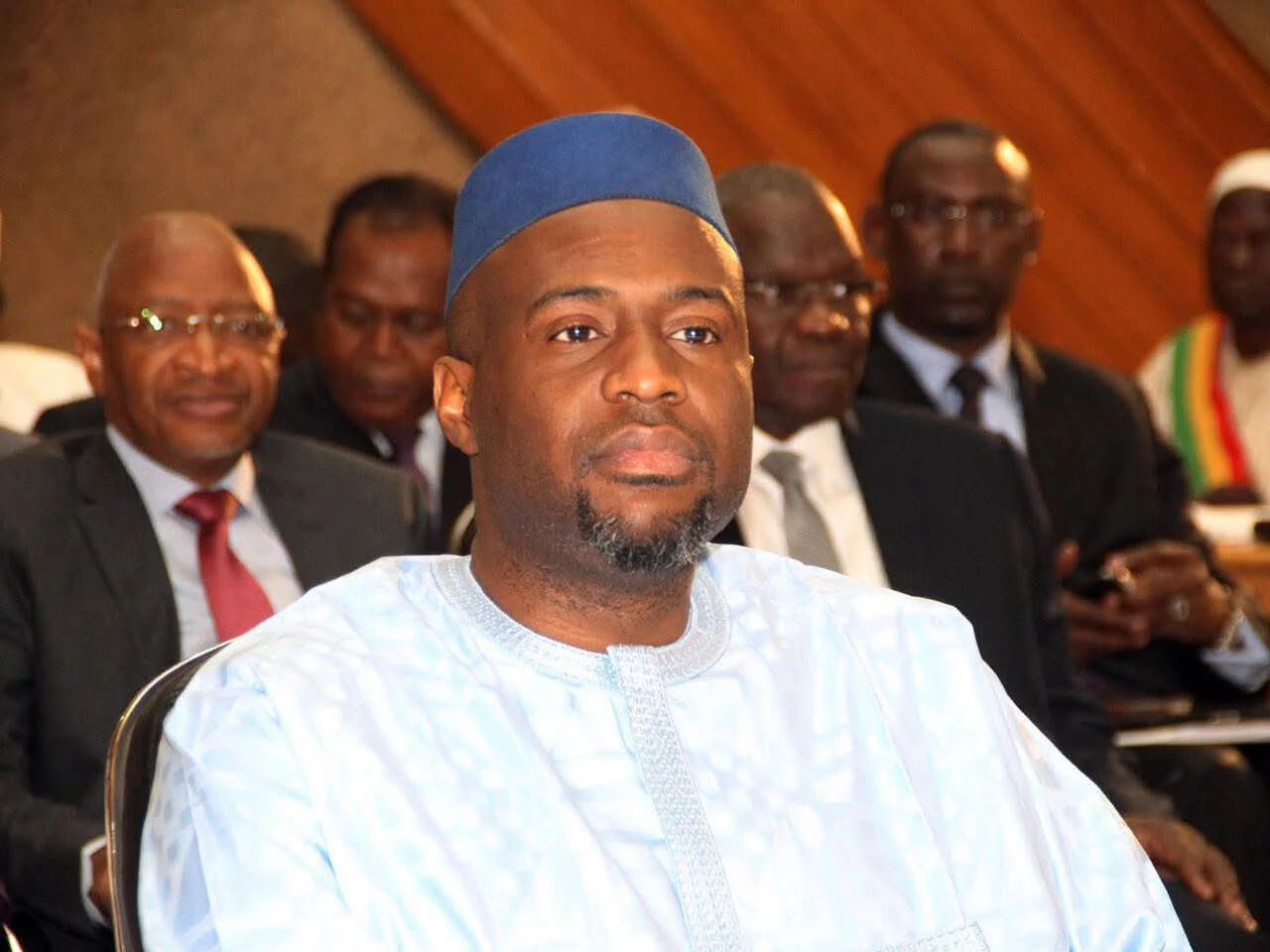
In a major development in the increasingly volatile political scene under military rule in the West African country, former Malian Prime Minister Moussa Mara said he was freed from prison after a year in custody. Months after rights groups and international observers consistently campaigned for his release, saying his prosecution was politically motivated, he was liberated.
Mara, who was prime minister of Mali between 2014 and 2015, said he was free after serving the jail portion of a two-year sentence, one year of which was suspended. During his time in jail, he expressed appreciation to his family, supporters, legal team and everyone who advocated for his release.
The opposition leader was arrested in August 2025 after posting a message of support on social media with political personalities and civil society activists who were in prison and whom he had visited. Prosecutors charged him with “discrediting the state,” “inciting public disorder” and “opposing legitimate authority” allegations his lawyers and friends dismissed as an attempt to suppress criticism of Mali’s military-led government.
Mara was condemned by a court in October 2025 to two years in prison, one to be served and the other suspended, and a fine of CFA 500,000. In February 2026, the Bamako Court of Appeal affirmed his sentence, despite appeals from his defence team and mounting outrage from international human rights organisations.
Mara’s situation represented a broader trend of closing civic space in Mali throughout his detention, said organisations including Amnesty International and Human Rights Watch. They accused the military government of exploiting the judicial system to crack down on nonviolent dissent, stifle freedom of expression and intimidate opposition voices following the suspension of political activity and dissolution of political parties.
Military authorities have been in control of Mali following coups in 2020 and 2021, with transitional authorities prolonging their hold on power beyond commitments to restore civilian government. The junta has been under mounting local and international pressure to account for the delays to elections and its treatment of the political opposition.
Mara has not said if he would immediately begin active political campaigning, but his release is expected to invigorate opposition organisations demanding a return to constitutional authority. His release might provide critics of the military government a rallying point, political observers said, as pressure builds for democratic reforms and respect for civil liberties.
His fans cheered his release, but Mali’s political future is unclear. The military rulers have yet to telegraph any fundamental change in their authority, raising worries about when the country would return to full civilian rule.
About the Author