
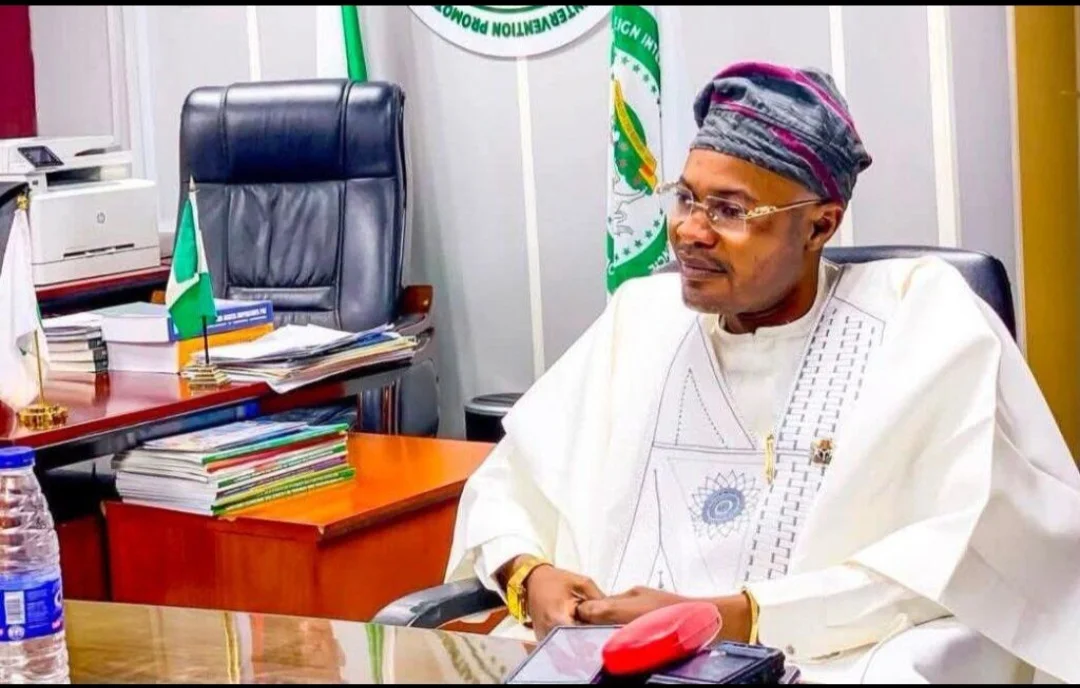
The debate over Nigeria’s purported fake government agency has taken yet another dramatic turn as the detained self-acclaimed Director-General of the Presidential Foreign Intervention Promotion Council (PFIPC), Adeniyi Adeyemi has called on the House of Representatives to summon top government officials including the Secretary to the Government of the Federation (SGF), the Central Bank of Nigeria (CBN), the Economic and Financial Crimes Commission (EFCC) and other federal agencies to testify before lawmakers.
Adeyemi is facing criminal charges bordering on forgery, impersonation and fraud. It was said that Adeyemi maintained that the ongoing parliamentary investigation would not be able to find the truth if the authorities and institutions that interacted with the PFIPC were not interrogated under oath.
The call comes as the House of Representatives continues its examination into how the controversial institution found its way into the 2026 federal budget with an allocation allegedly over N1.3 billion despite the Presidency stating that no such agency legally exists. The organisation is also being investigated by lawmakers regarding its alleged acquisition of office space within the Federal Secretariat and access to government institutions.
Reports say Adeyemi says he did not act alone, and that multiple government institutions processed official requests presented by the PFIPC. He says that officials from the Office of the Secretary to the Government of the Federation, the Office of the Accountant-General of the Federation, the Central Bank of Nigeria, the Ministry of Foreign Affairs and the EFCC interacted with his organisation at different stages and that their evidence is crucial to establish the facts.
Some media houses have reported that the Office of the Accountant-General had granted the organisation provisional self-accounting status and that the Central Bank had opened domiciliary accounts after receiving official correspondence believed to have come from a legitimate government agency. The documents also show the processing of office space was done through the government channels before the agency was eventually uncovered. But authorities say many of the supporting paperwork and appointment letters used by Adeyemi were fake.
The incident came to public prominence when the Presidency dismissed the PFIPC, accusing Adeyemi of forging the signature and official documents of the Chief of Staff to the President, Femi Gbajabiamila. After the Presidency filed complaints, the police initiated an investigation and charged Adeyemi with eight criminal counts, including forgery, impersonation and acquiring by false pretences.
Earlier in July, a Federal High Court in Abuja issued a bench warrant for Adeyemi’s arrest, following his failure to show up for arraignment. He was later arrested by men of the Osun State Nigeria Police Force and is still being detained pending further legal action.
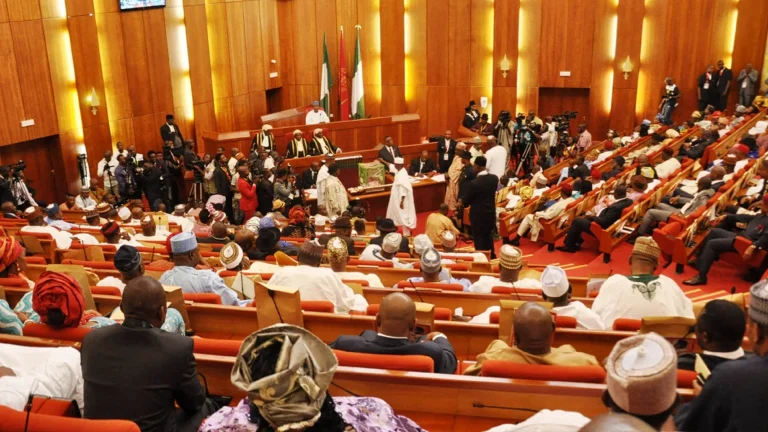
Meanwhile, the House of Representatives has broadened its probe, asking a number of top government officials to explain how a non-existent institution purportedly obtained budgetary allocation, office accommodation and access to formal government processes. The committee seeks to assess if the occurrence was a mere complicated fabrication or whether it highlighted broader systemic flaws inside government entities.
Adeyemi acted fraudulently, the Presidency said, adding that the entire nature of the alleged plan will be unravelled by investigations of law enforcement and anti-corruption organisations. However, Adeyemi denied any misconduct, saying the truth would emerge in public hearings with all the necessary officials.
About the Author