
China has unveiled a draft Anti-Cyberbullying Law that would greatly broaden the nation’s regulation of online behaviour by focusing on harassment using artificial intelligence technologies, such as deepfakes, AI-generated impersonation, and other types of digitally enhanced abuse. Beijing’s newest attempt to strengthen internet regulation in response to the quick development of generative AI is represented by the proposed legislation.
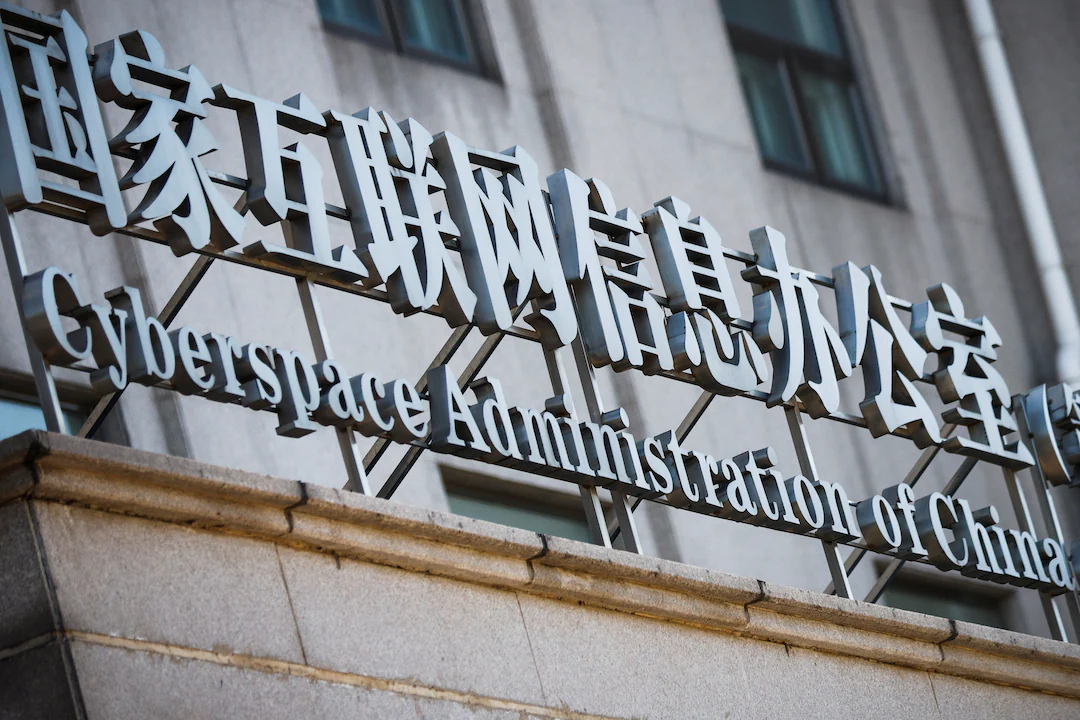
The Cyberspace Administration of China (CAC) released the draft for public comment on Wednesday. It aims to protect internet users’ rights while preventing, stopping, and punishing cyberbullying. The rule, according to authorities, underlines the need to confront new types of online abuse made possible by artificial intelligence, which can produce convincingly phoney images, videos, voices, and messages that can deceive, threaten, or humiliate victims.
Online platforms would have to set up more robust mechanisms for identifying, stopping, and eliminating cyberbullying content under the proposed legislation. Additionally, businesses may be required to assist with law enforcement when major incidents occur, retain digital evidence for investigations, and react quickly to complaints. Platforms may face legal repercussions if they fail to fulfil these commitments.
The draft’s explicit mention of AI-enabled abuse is among its most striking characteristics. The use of artificial intelligence to produce defamatory content, manufacture evidence, produce deepfake audio or video recordings, impersonate people, and organise online harassment campaigns would all be covered by the law. According to legal experts, the idea reflects rising worry that cyberbullying is becoming more sophisticated and challenging to identify due to advancements in artificial intelligence.
Additionally, the plan improves victim protections. People who are harassed online have the right to demand that offensive material be taken down right away, ask for corrections or an apology when necessary, and pursue compensation through the legal system. In order to protect children and other vulnerable groups, who are frequently disproportionately impacted by online abuse, authorities also suggest more robust measures.
The proposed rule is a component of Beijing’s larger effort to regulate online services and artificial intelligence more strictly. Draft regulations controlling AI systems that mimic human personalities have been submitted by Chinese regulators in recent months. These regulations call for more stringent safety precautions, more precise labelling of AI-generated content, and safeguards against addiction and emotional manipulation.
If the law is passed, it is anticipated that Chinese technology businesses will have to pay more for compliance. To comply with the suggested criteria, social media platforms, messaging services, AI developers, and internet businesses would probably need to make greater investments in automated moderation systems, content review teams, and user-protection measures.
Before the legislation is finished, residents, companies, and legal professionals can provide feedback during the public consultation period that begins with the release of the draft and ends on August 28, 2026. Analysts believe the proposal highlights China’s resolve to create one of the most extensive legal frameworks in the world for controlling both online behaviour and the expanding use of artificial intelligence, even though changes are still possible.
About the Author