
Nigeria’s downstream petroleum sector may be poised for another conflict as independent fuel marketers have resisted the federal government’s call for drop in pump prices.
Daily Trust reported that the marketers have vowed to shut down filling stations across the country should the government implement price limitations despite the country’s deregulated fuel industry.
The warning came after the Minister of State for Petroleum Resources (Oil), Sen. Heineken Lokpobiri, recently stated that government agencies would not condone operators’ profiteering despite the liberalisation of petrol pricing.
But the National Publicity Secretary of the Independent Petroleum Marketers Association of Nigeria (IPMAN) Chinedu Ukadike, said any plan to introduce price controls would breach the tenets of deregulation and force marketers to shut down operations across the country.
“We will shut down our filling stations throughout the country, should the government try to impose price control.
“You cannot have a deregulated market and then dictate to marketers what they must sell their products for, without factoring in the cost of purchase,” Ukadike added.
He argued that traders were not fleecing Nigerians but were incurring increasing financial losses due to the persistent downward revision of depot pricing especially by the Dangote Refinery.
“Many marketers buy products at higher rates with bank financing only to see depot prices fall before they can exhaust their existing stock,” he says.
He said the scenario leaves them with no choice but to suffer huge losses.
The Petroleum Industry Act (PIA) provides for a market-driven pricing system, Ukadike remarked.
He warned against the government intervention that would discourage investment and confidence in the downstream sector.
Instead of setting prices, he called on the federal government to encourage local refining, resurrect state-owned refineries and create an enabling environment for more importers and refiners to operate and boost competition.
Billy Gillis-Harry, the National President of the Petroleum Products Retail Outlet Owners Association of Nigeria (PETROAN), took a more conciliatory attitude.
The minister had the powers to intervene in the interest of consumers but should first consult stakeholders, he said.
He summoned in the federal government, regulators, refiners and marketers for an emergency conference to work out the pricing conflict through conversation.
The row comes as consumers feel the pinch of higher gas costs, but international crude oil prices fell back from recent highs on lessening geopolitical tensions in the Middle East.
But fuel costs in Nigeria have hardly budged, infuriating consumers and labour groups.
Lokpobiri recently called on marketers to pass on the decline in global crude oil prices to retail petrol prices, saying Nigerians should benefit from lower international energy costs.
He said the downstream sector remains unregulated but warned that deregulation should not be used as a pretext for profiteering or activities that unfairly burden customers.
The Federal Competition and Consumer Protection Commission (FCCPC) has also entered the fray.
Recently, the Commission had questioned why the decline in global crude oil prices had not resulted in considerable drop in pump prices of petrol, adding that only minimal changes had been recorded across the supply chain.
The Executive Vice Chairman of FCCPC, Tunji Bello, said the Commission does not control fuel prices but has a legal responsibility to safeguard consumers against exploitative behaviour.
He said the agency would continue to watch the market and probe for evidence of pricing manipulation, anti-competitive behaviours or consumer abuse.
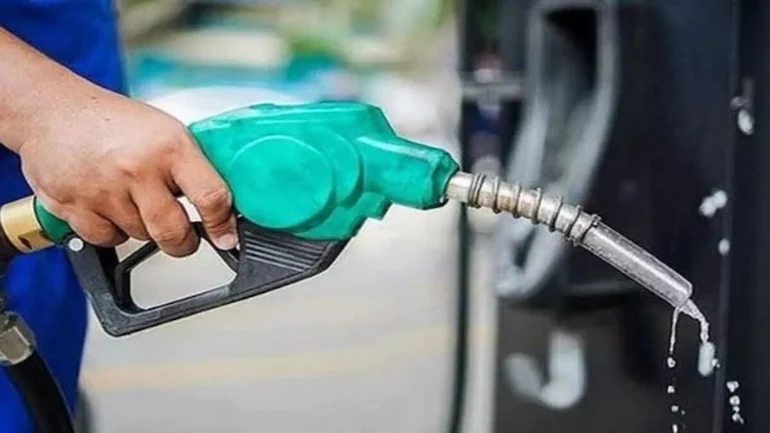
The price of petrol now ranges from ₦1,140 and ₦1,210 per litre in different sections of the country.
About the Author