

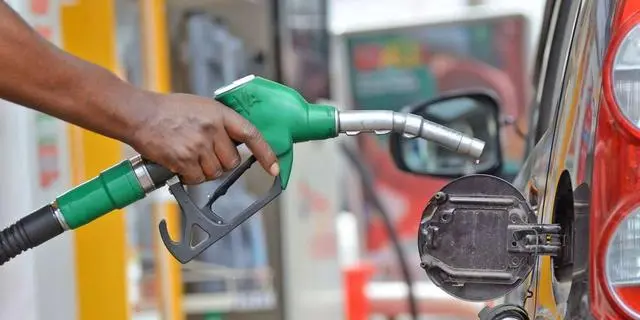
The Federal Competition and Consumer Protection Commission (FCCPC) has sounded the alarm over what it called poor pace of decrease in petrol prices by refiners, depot owners, marketers and retailers despite the sharp fall in global crude oil prices.
Operators found to be abusing consumers through improper pricing practices could face regulatory consequences, the Commission said.
The Federal Competition and Consumer Protection Commission (FCCPC) announced on Sunday that its continued monitoring on the downstream petroleum sector shows that recent reductions in ex-depot and pump prices, do not reflect the dramatic fall in international crude oil prices.
Consumers Should Get Benefits of Falling Oil Prices
Reacting to the development, the Executive Vice Chairman and Chief Executive Officer of the FCCPC, Tunji Bello said, “The Commission does not regulate fuel prices in Nigeria’s deregulated downstream market, but it has a statutory responsibility to promote fair competition and protect consumers from exploitative business practices”.
“Let’s be clear, the Commission does not regulate or approve petroleum prices in a deregulated downstream market. “We are mandated under the Federal Competition and Consumer Protection Act, 2018, to promote competitive markets, prevent anti-competitive conduct and protect consumers from unfair, deceptive and exploitative business practices,” stated Bello.
He said that when worldwide crude oil prices go up, marketers tend to boost pump prices practically instantly, but when international oil prices go down, they are reluctant to lower prices at the same rate.
We are concerned that it is not unusual for dealers to react quickly by raising pump prices when crude prices rise, but it is peculiar that it takes so long for customers to feel the benefits significantly when crude prices fall. Markets are competitive only if they perform as well in both directions, he said.
Crude Oil Slips But Pump Prices Stay High
The FCCPC said that “the ceasefire between the United States and Iran and the reopening of the Strait of Hormuz after increased geopolitical tensions in the Middle East has led to a significant reduction in global crude oil prices.
Crude oil, which had risen to nearly $120 a barrel at the height of the crisis, has fallen down to around $73 a barrel, the Commission said, returning to levels seen earlier in the year.
In the period of rising crude prices, petrol sold at between ₦1,350 and ₦1,500 per litre while diesel sold at as high as ₦2,000 per litre in areas of the country.
While a few local refiners have dropped their ex-depot prices to between ₦1,025 and ₦1,075 per litre, the Commission said petrol is still sold at an average of about ₦1,200 per litre, compared with the ₦800 to ₦900 per litre price range before the increase in global oil prices.
FCCPC Threatens Sanction
The FCCPC said that although domestic fuel prices were influenced by factors such as foreign exchange rates, refining costs, transportation, financing and distribution costs, a competitive market should ensure that consumers benefit more swiftly from falling costs.
“Deregulation does not exempt businesses from compliance with the laws on competition and consumer protection,” Bello said.
Market liberalisation does not reduce the obligation for enterprises to compete properly, or the right of consumers to fair treatment.
“The Commission will investigate and take appropriate enforcement action where there is credible evidence of conduct that undermines competition, exploits consumers or otherwise contravenes the Federal Competition and Consumer Protection Act,” he added.
The Commission also advised Nigerians to report suspected incidences of anti-competitive conduct, price manipulation, deceptive pricing and other unfair market practices through the established channels of complaint.
Consumers Anticipate Further Price Declines
The warning by the FCCPC is coming as the public continues to expect the price of petrol to continue to fall following the persistent drop in international crude oil prices.
Industry watchers say fuel prices climbed sharply during the recent Middle East turmoil, but the anticipated downward correction has been slower than predicted even after an improving global oil market.
Many Nigerians are hopeful that increasing competition among refiners and marketers will have the effect of bringing pump prices down to pre-global oil price boom levels, alleviating the cost of transport and general inflationary pressures.
About the Author