

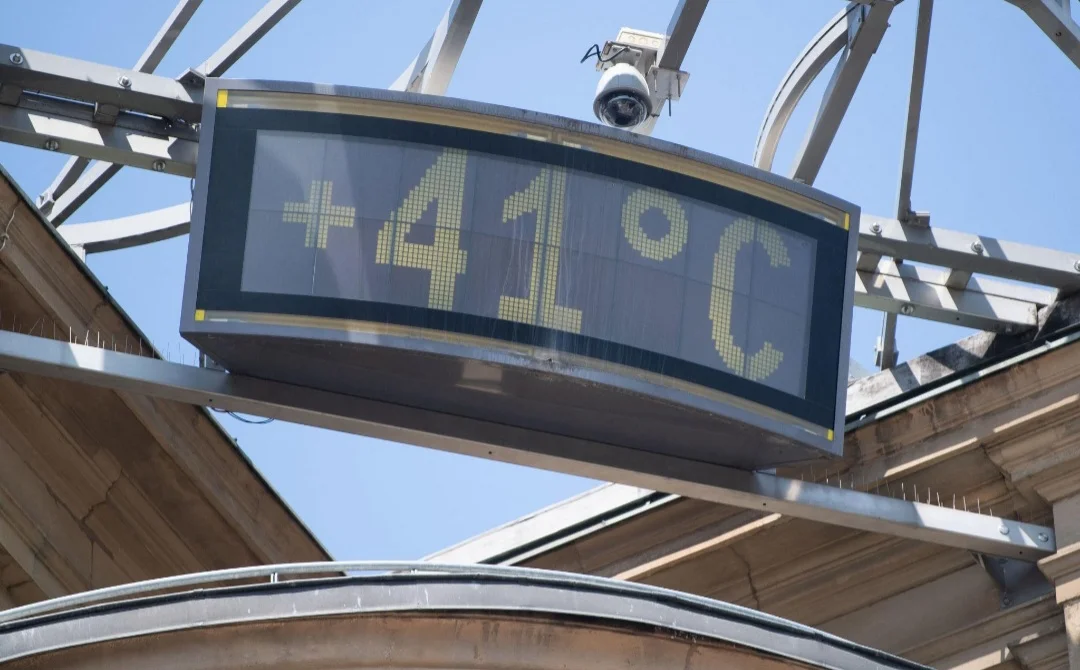
The prolonged heatwave in Europe is suspected to have caused almost 1,300 deaths across the continent as a number of countries continue to set temperature records and public health worries mount, the World Health Organization (WHO) says. The crisis reached a new milestone as Germany registered an unprecedented 41.7 degrees Celsius, smashing existing national records and demonstrating the severity of the catastrophic weather catastrophe.
Health experts say the extended period of extreme heat has put huge pressure on hospitals, emergency services and vulnerable groups, especially the elderly, small children and those with pre-existing medical disorders. Authorities continue to analyse mortality statistics from the countries concerned and the real number of deaths due to heat could eventually be far higher, the WHO said.
The latest heatwave has hit most of Western, Central and Southern Europe, with countries including Germany, France, Spain, Italy, Belgium, the Netherlands, Denmark and the Czech Republic all recording extremely high temperatures. Meteorological authorities across the region have issued repeated warnings, asking residents to restrict outdoor activity, stay hydrated and seek cover during the peak afternoon heat.
Germany’s record of 41.7C was set against a wider pattern of excessive heat hitting millions. Emergency steps were taken in several German cities, including cooling facilities, public distribution of water and health recommendations to protect inhabitants from heat-related disease.
WHO authorities say heat is still one of the deadliest weather-related dangers in the world. The problem with excessive heat, as opposed to a storm or a flood, is that it often kills indirectly — through dehydration, heatstroke, heart problems and respiratory sickness. Many of the heat-related deaths are in people who don’t seem at risk at first glance.
See also Japan Orders Mass Evacuations as Double Storm Threat Grows Stronger, Taiwan Paralysed by Torrential Rain
Some European countries have seen a rise in admissions to hospitals for heat exhaustion, dehydration and other medical issues linked to temperature. Emergency services have also seen a spike in demand as vulnerable citizens seek help during extended periods of heat.
The heatwave has had effects beyond public health. Across Europe, sections of agriculture are experiencing stress on crops and livestock and energy infrastructures are under pressure as families and businesses increase their usage of air conditioning and cooling equipment. Water authorities have instituted conservation restrictions in several areas amid concerns over dry conditions and falling reservoir levels.
Scientists and climate experts say Europe is warming faster than much of the rest of the world. Studies have connected the rising frequency and strength of heatwaves to climate change in recent years, as higher temperatures around the world make extreme weather events more likely.
The WHO has frequently urged nations to improve their heat readiness strategies, saying early warning systems, public awareness campaigns and investments in climate resilience may considerably cut mortality in future heatwaves. Public health specialists say urban areas are more vulnerable because of the “heat island” effect where concrete and asphalt surfaces absorb and retain heat.
All around Europe people have been heading to parks, beaches, lakes, fountains and designated cooling centres for relief. But officials continue to warn that the threat is quite real, particularly as some areas are likely to see more intense heat in the weeks to come.
Environmental groups have pointed to the latest heatwave as yet further proof of the need for stronger climate adaption and mitigation measures. They say that governments have to plan for a future when extreme heat events become more frequent.
Europe is experiencing one of the worst heat waves in recent memory and officials are encouraging vigilance and public collaboration. The death toll is rising and temperatures have stayed above average for the season in many locations, with health officials warning that the entire impact of the crisis may not be understood for weeks or even months.
About the Author