

The Lagos State Government has assured citizens that there is no urgent cause for fear following the current Ebola outbreak reported in areas of Central and East Africa even as it restated that its public health systems are on high alert.
The Commissioner for Health, Professor Akin Abayomi said the state is following the developing situation in Congo and Uganda where hundreds of suspected cases and over a hundred deaths have been reported. The World Health Organization (WHO) has declared the epidemic a Public Health Emergency of International Concern (PHEIC) due to the challenges posed by tough topography and response limitations in impacted locations.
Abayomi however reiterated that there had been no incidence of Ebola Virus Disease discovered in Lagos State.
The state has a robust and tested biosecurity system to respond promptly to high-risk infectious diseases including as Ebola, Lassa fever, cholera, diphtheria and influenza, he said. This foundation for preparedness has been strengthened by earlier outbreaks, including Ebola and COVID-19, he said.
The commissioner said that the Lagos Incident Command System, overseen by Governor Babajide Sanwo-Olu, is still operating to facilitate quick coordination and deployment of resources in any public health emergency. He noted that the State’s Emergency Operations Centre continues 24/7 disease surveillance and intelligence collecting.
He also stressed that the Lagos State Infectious illness Hospital, Yaba was ready and equipped with isolation units, intensive care facilities and skilled specialists to handle infectious illness patients.
The state’s Biosafety Level-3 laboratory and biobank facility are also allegedly under increased observation for speedy diagnosis and tracking of high-risk infections.
Lagos is also collaborating with the federal agencies, including the Nigeria Centre for Disease Control (NCDC), Port Health Services, the Federal Airports Authority of Nigeria (FAAN) and other partners, to monitor incoming visitors, especially those from affected countries.
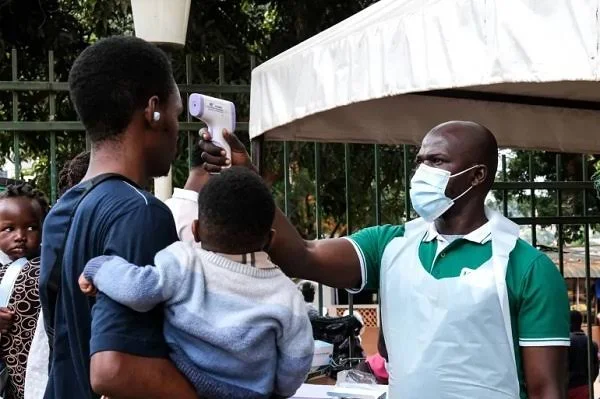
As a precautionary step, all flights from Central and East Africa are subject to heightened health screening. Community health workers, civil society organizations and local associations have been integrated into early warning and reporting systems.
Emergency supplies including personal protective equipment and other important medical products have been strategically placed at key health facilities with ambulance services on standby for speedy response, the government said.
He recommended those who have recently flown to affected countries or had contact with returnees with symptoms to seek prompt medical assistance through approved emergency channels.
Residents were also urged to report concerns via the emergency lines 767 or 112, or to contact the Director of Epidemiology, Biosecurity and Global Health at the Ministry of Health.
The administration reiterated its commitment to continue surveillance, readiness and rapid communication to the public in coordination with federal health officials.
About the Author