
Botswana has declared a state of emergency and announced a series of retaliatory measures against South Africa, including closing its borders and cutting off electricity exports to several South African provinces, in an escalating diplomatic crisis that has been fueled by allegations of xenophobic attacks on Botswana citizens.
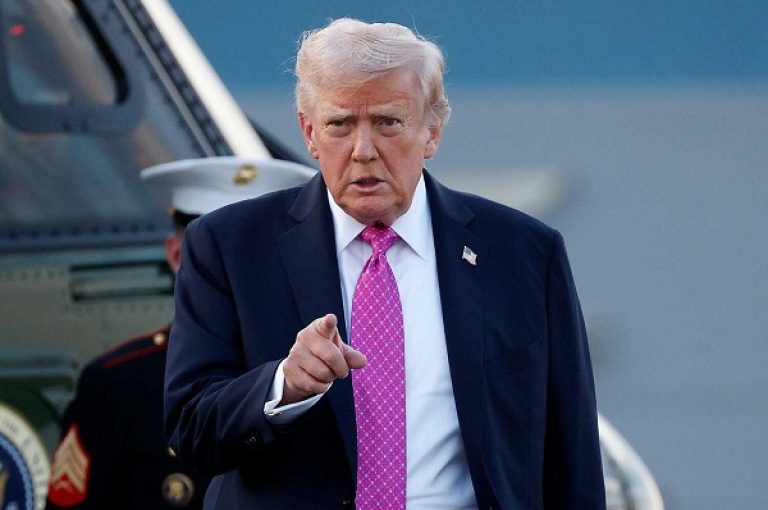
President Duma Boko made the abrupt announcement in a forceful national address, citing Botswana’s historical backing of South Africa’s struggle against apartheid for its liberation. The President said he was deeply disappointed by the treatment of Botswana people on South African soil.
“We helped you fight oppression and today our children are being humiliated,” President Duma Boko said, referring to the violence and abuse being meted out to his country’s inhabitants.
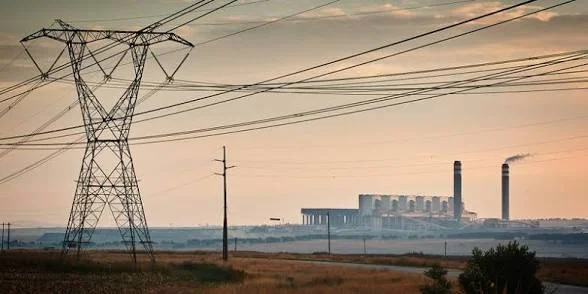
But the most significant decision is the immediate suspension of electricity exports to other provinces in South Africa – a move that might make the already dire energy crisis in South Africa worse. Eskom, the state utility, has long been unable to fulfill domestic demand and the loss of the power supply from Botswana might bring deeper outages and economic damage.
The power interruption comes as the Botswana government has also ordered the immediate closing of its borders and the repatriation of all Botswana citizens living in South Africa. The measures are the harshest action against South Africa since the end of the apartheid era.
The closing of borders impacts the free movement between the two Southern African countries and threatens trade connections. The Southern African Development Community is watching the situation intently as regional instability looms.
At the time of going to press, the South African government had not officially responded to the mounting diplomatic situation. The crisis is escalating swiftly and there are fears that retaliatory action from Pretoria could further widen the gulf between the two countries.
The electricity cutoff could have significant socioeconomic ramifications for millions of South Africans who rely on continuous access to energy, warn analysts, while the border closure will weaken the commercial and travel linkages that have traditionally connected the two countries.
About the Author