
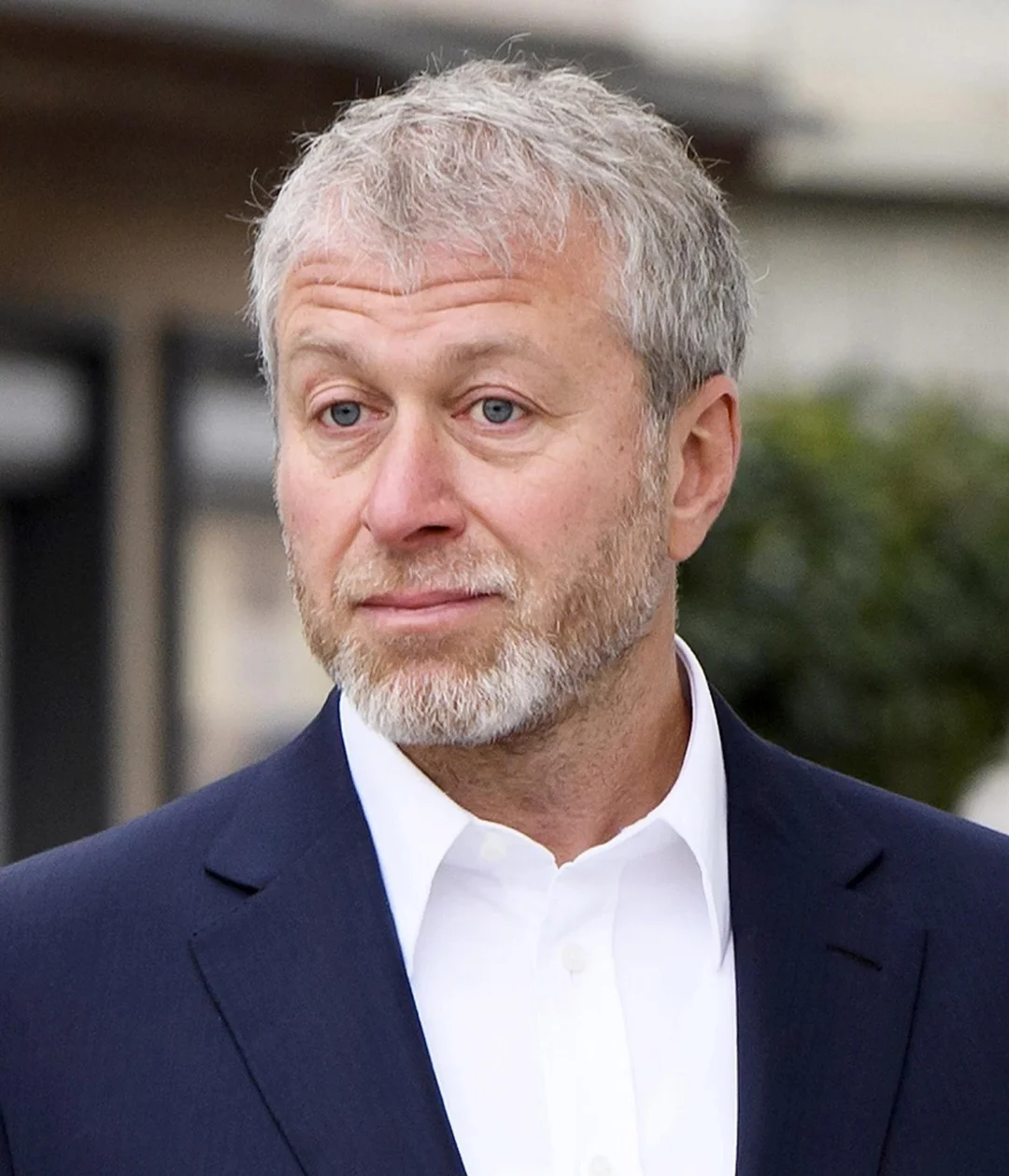
A BBC Panorama and Bureau of Investigative Journalism investigation has revealed evidence that documents were allegedly faked and backdated to hide billions of dollars connected to Russian billionaire Roman Abramovich and to cut tax liabilities on his massive fortune.
The probe, published Monday, October 12, concluded that Deloitte’s Cyprus offices and its former spin-off MeritServus were involved in the production or approval of backdated corporate records linked to Abramovich’s offshore business network. The results were based on leaked financial papers about companies and transactions over a number of years.
More than 1,000 company records were detected as backdated, in some cases by as much as five years, according to the inquiry. The documents included agreements and other paperwork that allegedly altered the appearance of assets and financial transactions on the company’s books.
One plan involved about $2 billion that was held by a firm based in Cyprus, Kravin Investments. Investigators said advisers prepared documents to make it appear as if the money had been transferred to another company years before, possibly decreasing tax payments on interest the funds received.
Another instance featured assets valued around $672 million including luxury residences, planes, helicopters and yachts. The examination discovered that the assets were listed in draft accounts created for an Abramovich-linked company, Amiscan Investments, but they did not appear in the later finalised accounts when the documentation was reworked.
The probe also looked at the records of Electus Investments, a firm in Cyprus linked to Abramovich’s commercial interests. Documents purportedly showed a British Virgin Islands business had possessed a fortune of more than $10 billion since 2003, although communication seen by investigators suggested the assets had been held by a Cyprus company before that.
The procedures outlined in the documents prompted substantial concerns about possible tax evasion, misleading accounting and professional misconduct, financial crime and accounting specialists contacted by the inquiry team stated. The exact amount of tax that may have been avoided could not be determined.
Abramovich’s lawyers have said he did not avoid tax or hide his wealth illegally. They said the investigation had failed to prove he knew about, authorised or ordered the fabrication of documents, and said it was legal for him and his enterprises to rely on expert advice.
Deloitte Cyprus stated it operates in accordance with applicable legislation. The claims have led to questions about the roles of accountants and business service providers that handle complicated offshore entities for rich clients.
Abramovich became a high-profile figure in Britain after buying Chelsea Football Club in 2003, funding a period of great sporting success. He was sanctioned by the British government and forced to sell the club after Russia’s full-scale invasion of Ukraine in 2022.
The fresh results come amid a criminal probe in Jersey where billions of pounds of assets belonging to Abramovich remain frozen. His lawyers have refuted the charges related to the probe and characterised it as politically motivated.
The research shows how offshore corporate structures and the specialists who run them can make it harder for authorities to trace the ownership of assets and whether taxes have been paid. Any legal findings as to individual liability will depend on further investigation and the review of evidence by appropriate authorities.
About the Author