
A new United Nations report released on Monday said 113 million Nigerians, or 48.7 per cent of the country’s population, were deprived of health, education and basic living standards.
The findings are reported in the 2026 Global Multidimensional Poverty Index by the United Nations Development Program and Oxford Poverty and Human Development Initiative.
The study evaluates overlapping disadvantages in daily living, not just income, and includes factors such as nutrition, child mortality, years of schooling, cooking fuel, sanitation, drinking water, power and housing.
The research says the average poor Nigerian is lacking 55 percent of the weighted indicators used to judge health, education and living standards, with 28.7 percent of the population categorised as seriously poor.
The research pointed out that previous gains in poverty reduction in Nigeria have been undone. With similar predictions, the percentage of the population living in multidimensional poverty declined from 42.3 per cent in 2013 to 33.0 per cent in 2021 before increasing to 38.7 per cent in 2024.
On a like-for-like basis, the share of the poor declined from 42.3% in 2013 to 33.0% in 2021, and then grew to 38.7% in 2024. That’s an additional 18 million poor people: three-quarters from a higher rate, one quarter from population growth,” the report said.
Nigeria saw the biggest increase in the number of people living in multidimensional poverty among five countries that had an increase, along with Afghanistan, the Central African Republic, Guinea and Kyrgyzstan.
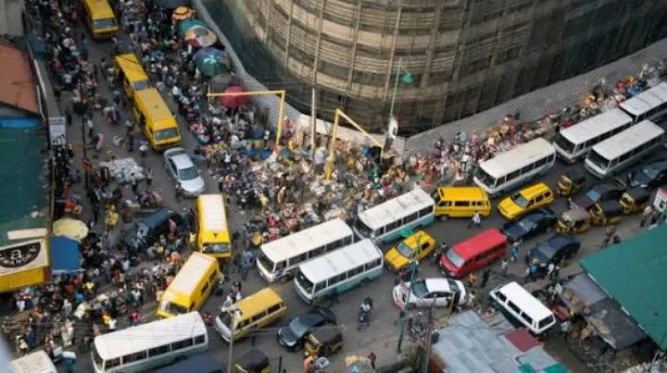
The analysis highlighted stark geographical differences. About 68.9 per cent of the rural Nigerians are multidimensionally poor, compared to 24.8 per cent in the metropolitan areas. Nine times higher in villages 45.1 per cent of rural dwellers are affected by severe poverty compared to 9.3 per cent in urban.
The survey also stated that it is heaviest in the North West and North East, showing the concentration of deprivation in northern Nigeria.
The largest gaps were for clean cooking fuel and electricity. The report indicated that 47.4 percent of Nigerians are impoverished and lack clean cooking fuel, while 37.6 percent are poor and lack electricity.
“The policy knows how to fill these gaps,” said the UN.
The research estimates that 1.2 billion people across 108 developing countries are living in acute multidimensional poverty. This is the first increase in the index since it was created in 2010. That’s 51.5 million higher than the last update.
“The global jump is a wake-up call,” said UNDP Administrator Alexander De Croo.
The stats hide 1.2 billion people living in a tangle of deprivations: hunger, no education, and no clean water or electricity. “This is not acceptable,” said De Croo.
The report found that more over half of the acutely poor in the world were children.
Population growth accounted for part of the increase, the UNDP said, and fresh survey data was available for only 13 of the 108 nations surveyed.
Yet the survey said that 33 nations were able to half their multidimensional poverty rates in less than 15 years, six of them in sub-Saharan Africa.
About the Author